





Tata Steel to Invest ₹7,000 Crore in Low-Carbon Steel Technologies, Expands Green Manufacturing Strategy
 Samrita JosephAugust 3, 20261 Mins read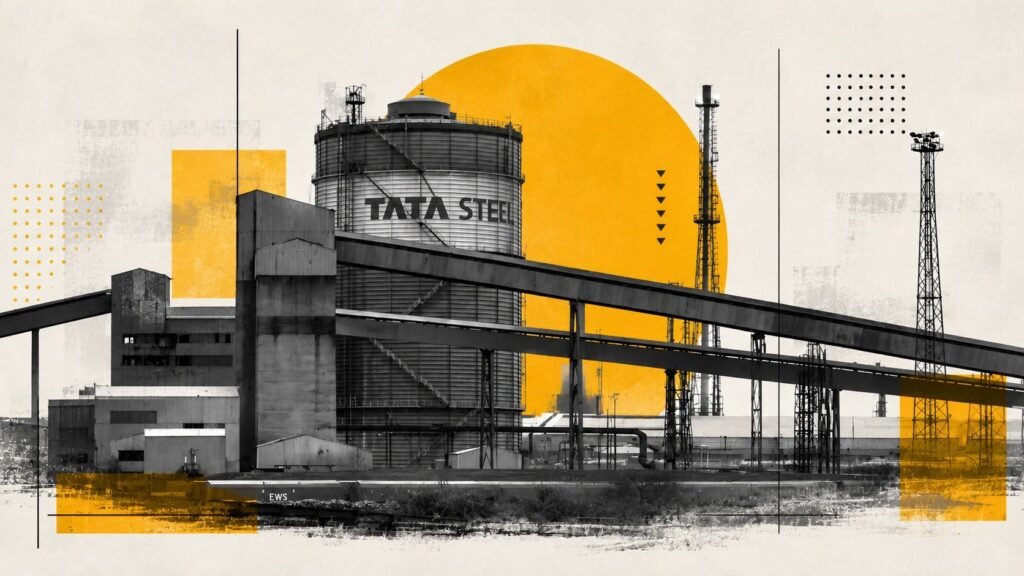
Tata Steel is accelerating its transition towards low-carbon manufacturing with a planned investment of around ₹7,000 crore in two next-generation iron-making technologies as the company strengthens its long-term decarbonisation strategy.
The investment will support the development of EASyMelt, an in-house technology developed by Tata Steel, and HIsarna, an advanced iron-making process developed in Europe with Tata Steel as one of its key partners. Both technologies are expected to play a significant role in reducing carbon emissions from steel production while supporting the company’s sustainability roadmap.
EASyMelt has been designed to significantly reduce the consumption of coke in conventional blast furnaces by utilising reducing gases generated from coke oven gas. Since the technology requires modifications to existing blast furnaces instead of building entirely new facilities, it offers a practical pathway for reducing emissions within current manufacturing infrastructure.
HIsarna represents another major step towards cleaner steel production. The technology enables direct conversion of iron ore into molten iron without the need for coke ovens or sinter plants, substantially lowering carbon emissions compared with conventional blast furnace operations. Although both technologies are expected to take several years before reaching commercial scale, Tata Steel considers them central to its future manufacturing strategy.
Alongside these long-term investments, the company is implementing immediate measures to reduce emissions across its operations. Tata Steel is close to commissioning a 0.8 million tonne per annum electric arc furnace (EAF) steel plant in Ludhiana, which will primarily use steel scrap as raw material. The company has also announced plans to establish additional EAF facilities in Maharashtra and Tamil Nadu, further expanding its scrap-based steelmaking capacity.
Another key initiative involves increasing the use of biochar produced from agricultural residues and bamboo as a substitute for pulverised coal in blast furnaces. Tata Steel plans to gradually replace up to five per cent of coal injection with biochar over the next four to five years, with an eventual target of around ten per cent, subject to technical feasibility.
Renewable energy also remains a critical pillar of Tata Steel’s decarbonisation strategy. The company intends to procure a larger share of green power while continuing to utilise by-product gases generated during steel production. By combining breakthrough technologies with practical near-term solutions, Tata Steel aims to reduce emissions while strengthening the sustainability of its steel manufacturing operations.
- biochar
- BuildWatch News
- Carbon Emissions
- EAF plant
- EASyMelt
- electric arc furnace
- green manufacturing
- Green Steel
- HIsarna
- Indian Steel Sector
- industrial sustainability
- iron making technology
- low carbon steel
- Ludhiana steel plant
- Maharashtra steel plant
- renewable energy
- scrap-based steelmaking
- Steel Industry India
- steel manufacturing India
- steel technology
- sustainable steel production
- Tamil Nadu steel plant
- Tata Steel
- Tata Steel decarbonisation
- Tata Steel Investment





Related Articles

Puravankara Subsidiary Launches Phase 6 of Provident Equinox in Bengaluru
Puravankara subsidiary Provident Housing has launched Phase 6 of Provident Equinox in...

Ganpati Group Announces ₹2,000 Crore Real Estate and Hotel Expansion
Agra-based Ganpati Group plans around ₹2,000 crore across residential and hotel projects,...
Andhra Pradesh Expands House Site Patta Drive, Moves to Unlock Property Rights for 75 Lakh Families
Andhra Pradesh is expanding its house site patta programme, with pre-2016 allotments...



DAC Developers launches BALMANDAISA on Porur–Poonamallee Main Road in Chennai
DAC Developers has launched BALMANDAISA, a new residential project on the Porur–Poonamallee...

Leave a comment