




India’s Primary Steel Producers Expected to Maintain Stable Profitability in FY27 Despite Rising Costs: Crisil Ratings
 Samrita JosephAugust 7, 20262 Mins read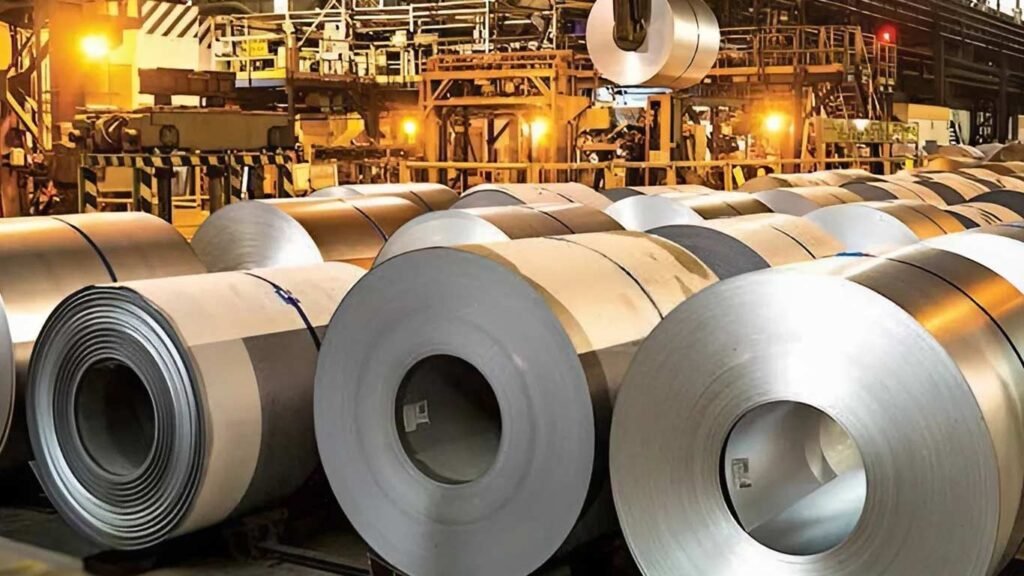
India’s primary steel producers are likely to maintain stable operating profitability during FY27 despite mounting cost pressures, reflecting the sector’s resilience amid a challenging global environment. According to Crisil Ratings, higher domestic steel prices, government safeguard measures and sustained demand from infrastructure-led sectors are expected to help producers offset rising input costs and maintain healthy financial performance.
The ratings agency estimates that operating profitability, measured as EBITDA per tonne, will remain in the range of ₹10,500 to ₹11,000 during the current financial year. This is broadly in line with the industry’s long-term average, even though production costs are expected to rise to ₹53,000–54,000 per tonne due to higher raw material and logistics expenses.
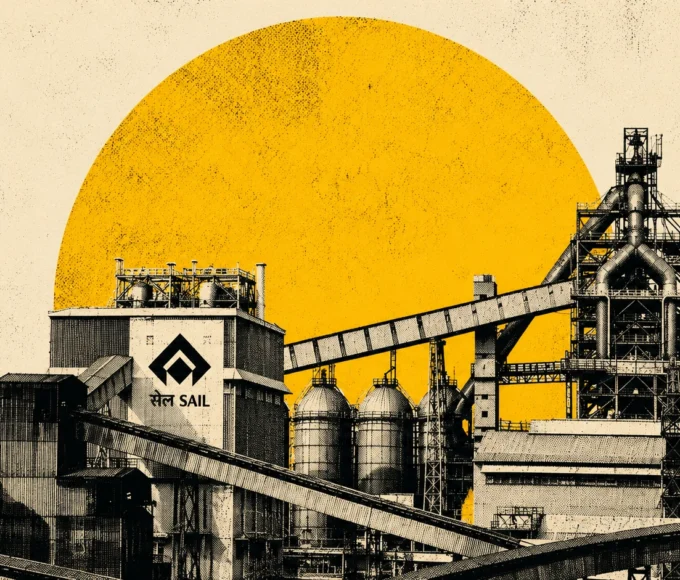
The assessment covers eight of India’s largest primary steel producers, including Tata Steel, JSW Steel, Steel Authority of India (SAIL), Jindal Steel, ArcelorMittal Nippon Steel India, NMDC Steel, ESL Steel and Evonith Steel. Together, these companies account for nearly half of the country’s steel production, making them a strong indicator of the sector’s overall health.
Coking coal, which contributes nearly 40 per cent of steel production costs, is expected to become more expensive because of potential supply disruptions and sustained global demand. Rising freight charges, shipping costs, insurance premiums, power tariffs and fuel prices are also expected to add pressure on production expenses during the year.
However, Crisil Ratings expects domestic steel prices to increase by 6-8 per cent in FY27. The price improvement is expected to be supported by the government’s 11.5 per cent safeguard duty on select flat steel imports, stronger global steel prices and continued growth in domestic demand. Infrastructure development, construction activity, engineering projects and the automotive sector are expected to remain the primary demand drivers.
The agency also projects domestic steel demand to grow between 5 per cent and 7 per cent during FY27. Supported by this favourable outlook, primary steel manufacturers are expected to invest between ₹75,000 crore and ₹80,000 crore in capacity expansion, value-added products and backward integration projects, including captive mines and power plants.
Most of these investments are expected to be funded through internal accruals, enabling companies to strengthen their balance sheets while keeping debt under control. Crisil expects the industry’s leverage to improve modestly during the year.
Despite the positive outlook, the agency cautioned that geopolitical tensions in West Asia remain a key risk. Any escalation could disrupt global supply chains, increase logistics costs and push raw material prices higher. Nevertheless, India’s steel industry is expected to remain on a stable growth trajectory, backed by strong domestic consumption, policy support and continued investments in manufacturing capacity.
- ArcelorMittal Nippon Steel India
- Automotive Sector
- BuildWatch News
- coking coal prices
- construction industry
- CRISIL Ratings
- domestic steel demand
- India Infrastructure
- India steel industry
- Indian Manufacturing
- Indian Steel Market
- infrastructure sector India
- Jindal Steel
- JSW Steel
- NMDC steel
- safeguard duty
- SAIL
- Steel Capacity Expansion
- steel demand India
- steel industry FY27
- steel investment
- steel manufacturing
- Steel Prices India
- steel profitability
- Tata Steel






Related Articles
Mango Hill Hotels Plans Expansion Across India With New Properties
Mango Hill Hotels plans to expand into Tiruvannamalai, Pune, Sriperumbudur and Trichy,...
Ashiana Housing to Invest ₹1,000 Crore in Land Acquisition for Housing Projects
Ashiana Housing plans to invest around ₹1,000 crore in land acquisition during...

Vaasavi Group Plans Direct Metro-to-Township Skywalk in Hyderabad
Vaasavi Group plans an elevated skywalk connecting Hyderabad Metro’s LB Nagar station...


SAIL Reports ₹1,636 Crore Profit in Q1 FY27 as Margins Improve
SAIL reported a 138.65% year-on-year rise in standalone profit to ₹1,636 crore...

Leave a comment