



Tata Steel Targets 50% Iron Ore Supply from Captive Mines After 2030 to Strengthen Raw Material Security
 Samrita JosephJune 8, 20261 Mins read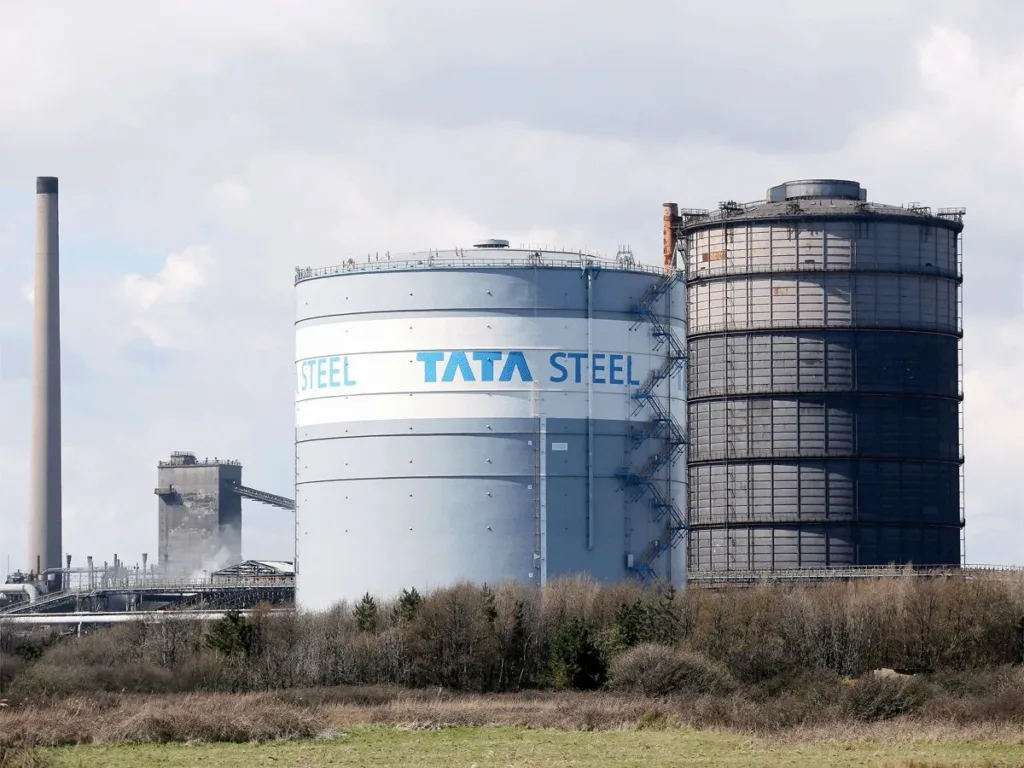
Tata Steel has announced a long-term strategy to secure at least 50 percent of its iron ore requirements from captive mining sources after 2030, when several of its existing mining leases in Odisha and Jharkhand are scheduled to expire. The move is aimed at ensuring uninterrupted raw material availability and maintaining operational stability as the Indian mining sector transitions to an auction-based allocation system.
Currently, Tata Steel meets 100 percent of its iron ore requirements through its captive mines, giving the company a significant cost advantage compared to many other steel producers. Along with Steel Authority of India Limited (SAIL), Tata Steel remains one of the few integrated steel manufacturers in the country with extensive access to captive mineral resources.
The company produced around 44 million tonnes of iron ore during FY26. However, with the expiry of legacy mining leases approaching, Tata Steel is preparing for a new operating environment under the amended Mines and Minerals (Development and Regulation) Act, which requires mining blocks to be allocated through competitive auctions.
According to Tata Steel Managing Director and CEO T. V. Narendran and Executive Director and CFO Koushik Chatterjee, the company is adopting a diversified sourcing strategy to reduce supply risks while maintaining long-term competitiveness. The objective is to secure at least half of its future iron ore requirements from captive sources and supplement the balance through alternative arrangements.
Industry experts believe the company’s future strategy will depend largely on the intensity of competition during mining auctions. While auctioned mines provide supply security, higher premiums could reduce some of the cost benefits traditionally associated with captive mining operations.
As part of its transition plan, Tata Steel has already acquired certain mining assets through auctions and continues to explore additional opportunities. The company has also entered into a strategic understanding with Lloyd Metals & Energy Limited to explore collaboration in iron ore mining, logistics infrastructure, slurry pipelines, pelletisation and steelmaking projects in Maharashtra.
The strategy highlights Tata Steel’s focus on securing critical raw materials while supporting its long-term growth and expansion plans in India’s rapidly evolving steel sector.
- Build Watch News
- captive mines
- Indian Steel Sector
- Industrial Growth
- Infrastructure news
- Iron Ore Industry
- iron ore mining
- iron ore supply
- Jharkhand mines
- Lloyd Metals
- Mining Auctions
- Mining Infrastructure
- mining sector India
- MMDR Act
- Odisha mines
- Pelletisation
- raw material security
- slurry pipeline
- Steel Capacity Expansion
- Steel Industry India
- steel manufacturing
- Steel Production
- Tata Steel
- Tata Steel expansion
- Tata Steel FY26






Related Articles

Sumadhura Group Unveils ₹17,000 Crore Growth Plan Across Bengaluru, Hyderabad and Chennai
Sumadhura Group has unveiled a ₹17,000 crore growth roadmap through Financial Year...
Synergy Advanced Metals Expands Stainless-Steel Portfolio With Cold-Drawn Profiles
Synergy Advanced Metals has expanded its stainless-steel portfolio with cold-drawn hexagonal, square...

Arnya, Casagrand Launch ₹750-Crore Residential Real Estate Fund
Arnya RealEstates Fund Advisors and Casagrand have launched a ₹750-crore Category II...


Tamil Nadu Moves to Acquire Land Near Parandur for New Industrial Park
Tamil Nadu has notified the acquisition of 8.382 hectares at Maduramangalam in...

Leave a comment