



Indian Steel Industry Must Accelerate Decarbonisation, Technology Adoption to Stay Globally Competitive: Steel Ministry
 Samrita JosephJuly 24, 20261 Mins read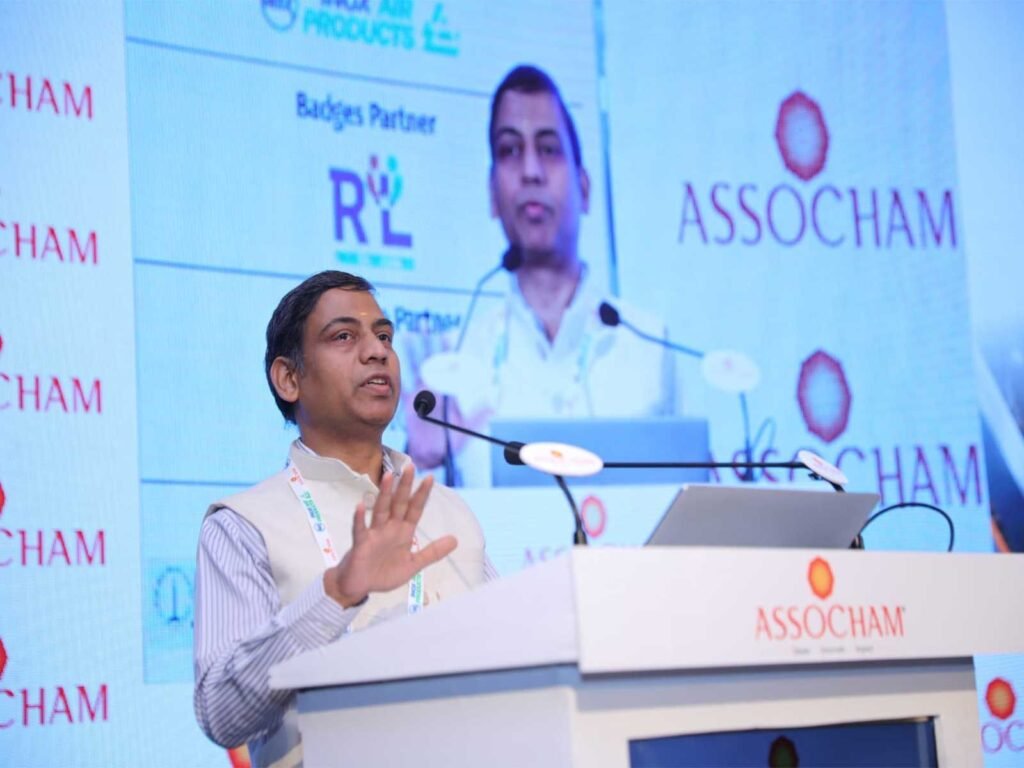
India’s steel industry needs to move faster on decarbonisation, technology adoption and research to maintain its position in an increasingly competitive global market, according to Ashwini Kumar, Economic Advisor at the Ministry of Steel.
Speaking at the ASSOCHAM India Steel Conclave 2026, Kumar said the industry is entering a new phase where sustainability, innovation and digital transformation will play a greater role in determining global competitiveness. He noted that evolving international trade policies, including carbon border regulations and tariff measures, are changing how steel-producing nations compete in export markets.
One of the key priorities for the sector, he said, is reducing the carbon intensity of steel production. As countries introduce carbon-based trade measures, access to premium international markets will increasingly depend not only on product quality and pricing but also on the environmental footprint of manufacturing.
Kumar also highlighted the importance of strengthening research and development, improving technology adoption and ensuring the long-term availability of critical raw materials. He urged the industry to expand its export destinations and embrace digital technologies such as artificial intelligence, machine learning and the Internet of Things to improve efficiency and productivity.
India’s steel sector continues to benefit from strong domestic demand driven by infrastructure development, urbanisation and growth in industries such as automobiles and consumer durables. According to the Ministry of Steel, the country’s installed crude steel production capacity has reached around 220 million tonnes. During FY26, crude steel production stood at 168.4 million tonnes, while finished steel production reached around 162 million tonnes against domestic consumption of 163.7 million tonnes.
Kumar said these favourable domestic fundamentals provide India with an advantage over several major steel-producing nations that are experiencing slower demand growth. However, he emphasised that sustained investments in cleaner production technologies, innovation and close collaboration between the government and industry will be essential to secure India’s long-term leadership in the global steel sector.
- AI in steel industry
- Ashwini Kumar
- ASSOCHAM India Steel Conclave 2026
- BuildWatch News
- Carbon Border Adjustment Mechanism
- Carbon Emissions
- CBAM
- crude steel production
- Decarbonisation
- finished steel production
- Green Steel
- Indian Manufacturing
- Indian steel exports
- Indian Steel Industry
- infrastructure development
- IoT in manufacturing
- machine learning
- manufacturing sector
- research and development
- steel demand India
- Steel Exports
- steel ministry
- steel sector news
- steel technology
- Sustainable Steel




Related Articles

Sumadhura Group Unveils ₹17,000 Crore Growth Plan Across Bengaluru, Hyderabad and Chennai
Sumadhura Group has unveiled a ₹17,000 crore growth roadmap through Financial Year...
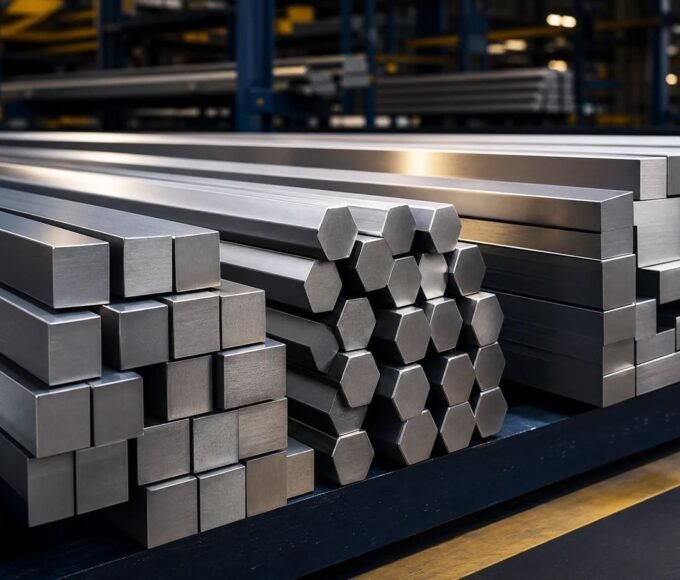
Synergy Advanced Metals Expands Stainless-Steel Portfolio With Cold-Drawn Profiles
Synergy Advanced Metals has expanded its stainless-steel portfolio with cold-drawn hexagonal, square...

Arnya, Casagrand Launch ₹750-Crore Residential Real Estate Fund
Arnya RealEstates Fund Advisors and Casagrand have launched a ₹750-crore Category II...


Tamil Nadu Moves to Acquire Land Near Parandur for New Industrial Park
Tamil Nadu has notified the acquisition of 8.382 hectares at Maduramangalam in...

Leave a comment