





Tamil Nadu Ends ₹160 Limestone Tax, Bringing Relief to Cement Makers
 Samrita JosephAugust 27, 20261 Mins read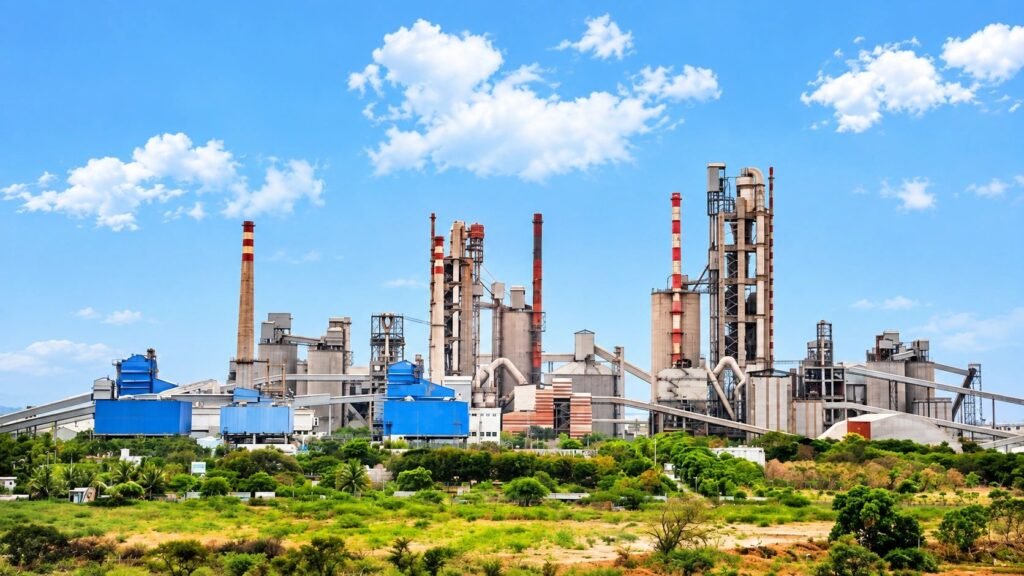
Tamil Nadu’s decision to stop the Mineral Bearing Land Tax on limestone is expected to provide some relief to cement manufacturers operating in the state, particularly those with a large production base linked to local limestone reserves.
The tax, fixed at ₹160 per tonne of limestone, was introduced by the Tamil Nadu government with effect from April 4, 2025. Its withdrawal follows the passage of the Mines and Minerals (Development and Regulation) Amendment Bill, 2026, by both Houses of Parliament on August 13.
The levy had become an additional cost for cement producers at a time when manufacturers were already dealing with elevated fuel and raw material prices. According to industry estimates cited in the report, the tax increased limestone costs by around ₹150 crore for one cement maker in FY26 compared with the previous year.
The impact was also felt in cement prices across South India. While some of the price increases were later rolled back, the additional limestone cost continued to put pressure on manufacturers’ margins.
The latest change is expected to benefit Tamil Nadu-focused companies including Ramco Cements, India Cements, Dalmia and Chettinad. An analysis by Equirus Securities estimates that five key cement players could collectively save around ₹500–600 crore a year following the cessation of the levy.
Ramco Cements is expected to emerge as the biggest beneficiary among the companies assessed.
The tax had been imposed specifically on limestone, a critical raw material for cement production. Its removal therefore directly reduces one component of the industry’s production cost, although the overall benefit to individual companies will depend on their limestone consumption, production volumes and other operating costs.
The development also comes against the backdrop of the broader MMDR Amendment Bill, 2026, which seeks to bring greater long-term stability to the major minerals sector. The amendment does not remove states’ existing rights over land and minerals or affect taxes already collected by them.
For cement manufacturers in Tamil Nadu, however, the immediate significance is more direct: the end of the limestone levy removes a cost that had weighed on the sector since 2025.
With cement demand remaining closely linked to infrastructure, housing and construction activity, lower input costs could provide some support to profitability. The extent of the benefit will ultimately depend on how cement prices, fuel costs and other raw material prices move in the coming quarters.
- cement companies Tamil Nadu
- cement industry
- cement manufacturers
- cement margins
- cement prices India
- cement production cost
- cement sector India
- Chettinad Cement
- construction industry India
- Dalmia Cement
- Equirus Securities
- India Cements
- Indian cement industry
- infrastructure demand India
- limestone levy
- limestone price
- limestone tax
- MBLT
- Mineral Bearing Land Tax
- Mines and Minerals Act
- MMDR Amendment Bill 2026
- Ramco Cements
- South India cement
- Tamil Nadu cement
- Tamil Nadu government





Related Articles

HiLITE Group Begins ₹600 Crore Cyber Tower Project in Kozhikode, Targets 10,000 IT Jobs
HiLITE Group has started work on its ₹600 crore Cyber Tower at...

Saint-Gobain Plans ₹11,000 Crore India Investment Over Five Years, Tamil Nadu Gets ₹5,400 Crore
Saint-Gobain plans to invest ₹11,000 crore in India over five years, including...
NCL Industries Cement Production Rises 22% in Second Quarter of FY27
NCL Industries recorded 22% year-on-year growth in second-quarter cement production to 781,056...


Thoothukudi Port Gets ₹17,167 Crore Approval for Outer Harbour Project
The Union Cabinet has approved the ₹17,167-crore Outer Harbour Project at VO...

Leave a comment