




Indian Railways Records 145.07 Million Tonnes of Freight Loading in October 2026
 Samrita JosephNovember 6, 20262 Mins read
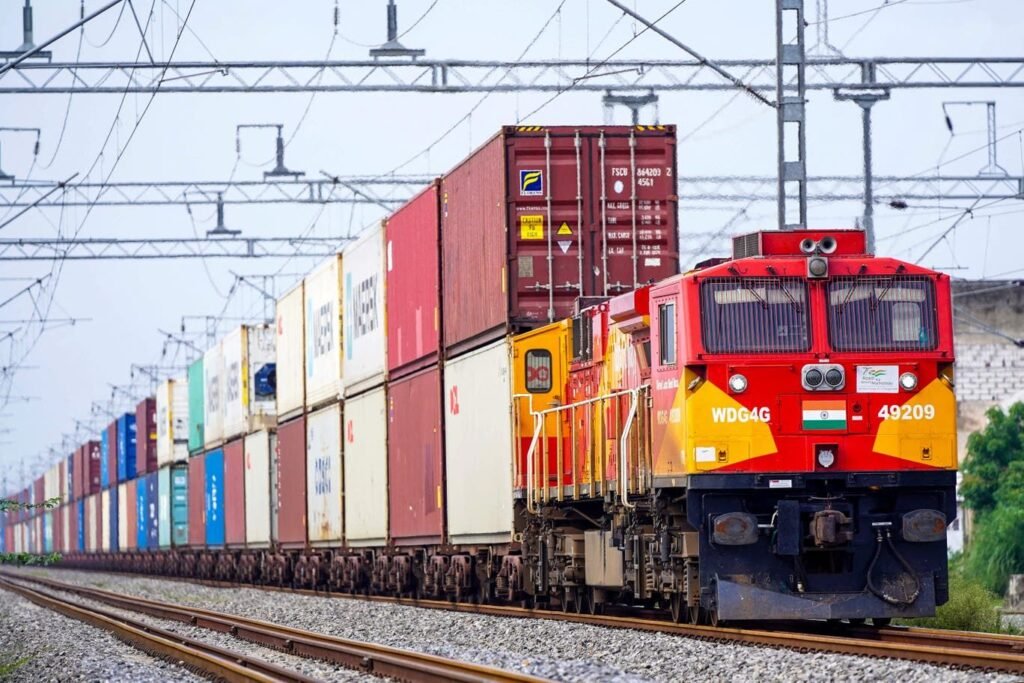
Indian Railways loaded a record 145.07 million tonnes of freight across its national network in October 2026, registering an 8.32% year-on-year increase, driven by higher coal, food grain and container transportation, according to the Ministry of Railways.
The October performance represents an increase of 11.14 million tonnes over the 133.93 million tonnes recorded during October 2025. It also contributed more than a quarter of the additional freight loaded during the first seven months of the 2026–27 financial year.
Food grains and coal drive freight growth
Food grains recorded the strongest growth among the major commodity categories reported by Indian Railways. Loading increased 26.3% year-on-year, accelerating from the 25% growth recorded in September.
Domestic coal loading rose 16%, reflecting increased fuel requirements at thermal power stations. The higher movement highlights the continuing importance of rail transportation in supporting India’s electricity generation and industrial supply chains.
Key October freight indicators:
• Total freight loading: 145.07 million tonnes
• Annual growth: 8.32%
• Additional freight: 11.14 million tonnes
• Food grain growth: 26.3%
• Domestic coal growth: 16%
• Container loading growth: 6.3%
• Clinker loading growth: 10.4%
Coal dispatches to power plants increase
Indian Railways supplied an average of 469.8 domestic coal rakes per day to power stations during October 2026, compared with 393.2 rakes per day in the corresponding month last year.
This represents an increase of approximately 76.6 rakes daily, equivalent to 19.5% growth in dispatches. The average was also higher than September 2026, when power stations received approximately 443 coal rakes per day.
The Ministry of Railways has linked the increased coal requirement to stronger industrial production and deficient rainfall in certain parts of the country. Railway authorities have been coordinating with the coal and power ministries to facilitate transportation from mines and maintain adequate fuel stocks at thermal power plants.
Container, clinker and iron ore movement
Beyond coal and food grains, several other freight categories recorded growth during October.
Domestic container loading increased 6.3%, following a 10% rise in September. Clinker, an intermediate material used in cement manufacturing, registered 10.4% growth after increasing 20% in September.
Iron ore loading remained relatively stable, recording 5% growth compared with 5.2% in the previous month.
Other reported commodity movements included:
• Mineral oil: 1.9% growth
• Finished steel: 0.5% growth
• Balance other goods: 11% growth
The increase in clinker movement is particularly relevant to the cement industry, where reliable bulk transportation plays an important role in connecting manufacturing facilities with grinding units and distribution markets.
Seven-month freight loading crosses 978 million tonnes
The strong October performance improved the cumulative freight growth rate for the financial year.
Between April and October 2026, Indian Railways loaded 978.78 million tonnes, compared with 935.10 million tonnes during the corresponding period in 2025. This represents 4.67% year-on-year growth.
At the end of September, cumulative growth stood at 4.1%, indicating that October’s performance strengthened the overall freight trajectory.
Dedicated Freight Corridors strengthen logistics connectivity
Freight infrastructure remains an important part of Indian Railways’ strategy to improve cargo movement and logistics efficiency.
The 1,506-kilometre Western Dedicated Freight Corridor, connecting Dadri in Uttar Pradesh with Jawaharlal Nehru Port in Maharashtra, supports double-stack container train operations between western ports and northern markets.
The dedicated corridor is particularly important for container transportation, providing a specialised freight connection between major port facilities and inland consumption and industrial centres.
In Gujarat, additional cargo terminals are also contributing to the expansion of regional freight connectivity. During September 2026, terminals at Shivlakha, Bhimasar, Devaliya and Chandisar were highlighted as part of efforts to strengthen links between industrial centres, ports and inland destinations.
Freight growth highlights infrastructure demand
The October record reflects stronger transportation demand across several important industrial commodities, particularly coal, food grains and cement-related materials.
For India’s construction and manufacturing sectors, rail freight capacity remains essential to the movement of raw materials, intermediate products and finished goods. The continued expansion of dedicated freight corridors and cargo terminals will therefore remain important to improving logistics connectivity.
Sustaining the current growth momentum will depend on terminal capacity, rolling stock availability, efficient freight handling and coordination between railway authorities and major industrial users.




Related Articles
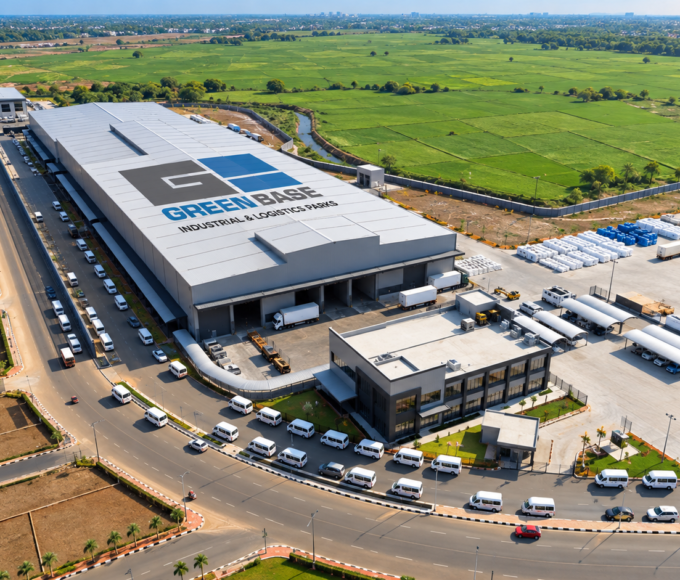
Greenbase Acquires 215 Acres Near Chennai, Plans ₹2,000 Crore Industrial Development
Hiranandani Group subsidiary Greenbase Industrial and Logistics has acquired 215 acres across...
Kia Plans ₹14,167 Crore Investment to Expand Andhra Pradesh Manufacturing Plant
Kia India is planning a ₹14,167 crore investment to expand its Anantapur...

DLF to Invest ₹3,750 Crore in Everstone JV to Acquire Stake in IREO India
DLF plans to invest ₹3,750 crore in a joint venture with Everstone...



DivyaSree Developers Plans ₹800 Crore Residential Project in North Bengaluru
DivyaSree Developers plans to launch Quiet Side, a premium residential project in...

Leave a comment