




UltraTech Cement to Deploy 600+ Electric Trucks as Green Logistics Drive Accelerates
 Samrita JosephSeptember 2, 20261 Mins read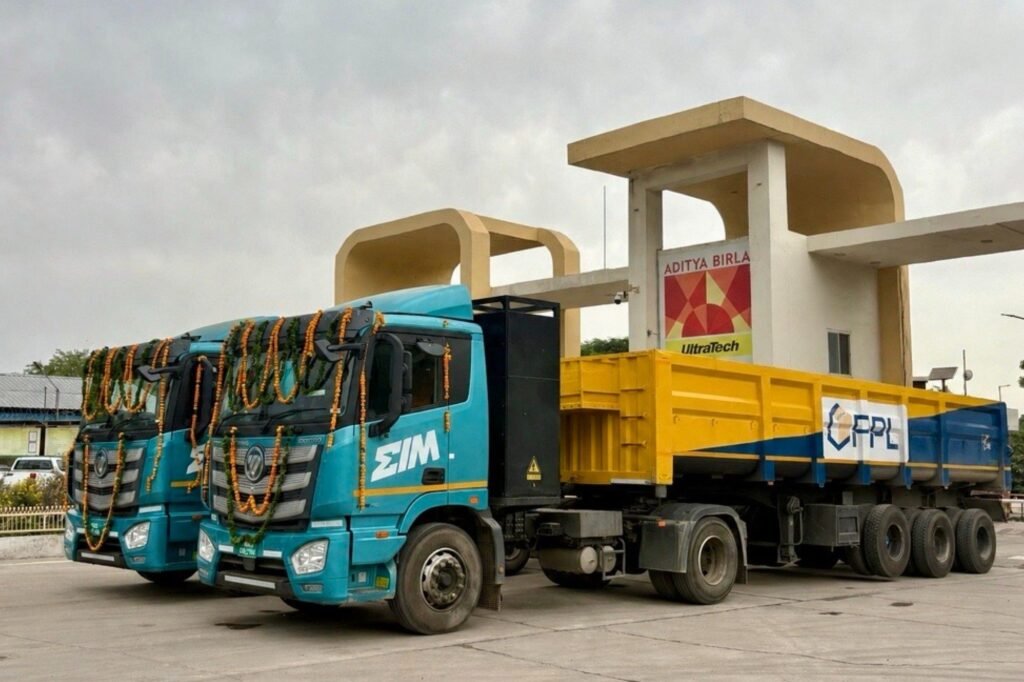
UltraTech Cement is stepping up its transition to cleaner freight transport, signing service agreements with Tata Motors, Ashok Leyland and other electric vehicle manufacturers to deploy more than 600 heavy-duty electric trucks by December 2026.
The move is part of the cement maker’s broader green logistics programme, which is aimed at reducing diesel consumption and cutting emissions across its supply chain. The company expects the electric fleet to transport around 5 million metric tonnes of clinker and other key materials every year across seven states.
The states covered by the planned deployment include Gujarat, Uttar Pradesh, Madhya Pradesh, Rajasthan, Chhattisgarh, Maharashtra and Odisha.
UltraTech expands heavy-duty electric vehicle fleet
UltraTech began its green logistics transition with compressed natural gas trucks in 2021 before introducing electric trucks in 2024. Its green logistics fleet has since grown to more than 850 vehicles, including both compressed natural gas and electric models.
The latest agreements are expected to accelerate the adoption of heavy-duty electric commercial vehicles across the company’s logistics network. Tata Motors and Ashok Leyland are among the major manufacturers involved, alongside IPLTech, Energy in Motion and Sany.
The scale of the planned deployment is significant for India’s emerging electric heavy commercial vehicle market, where the availability of charging infrastructure and the economics of operating large trucks remain important considerations.
39 million litres of diesel targeted for replacement
UltraTech estimates that the planned electric fleet could replace around 39 million litres of diesel consumption annually. The company also expects the transition to reduce carbon dioxide emissions by more than 117,000 tonnes each year.
For a cement manufacturer, logistics is an important part of the overall emissions equation because large quantities of clinker and other materials need to be moved between manufacturing facilities and markets.
The company has set a broader goal of achieving Net Zero emissions, with supply-chain decarbonisation forming part of that strategy.
The transition also comes as India’s freight sector gradually looks towards cleaner commercial vehicles. However, the success of heavy-duty electric trucks will depend on factors including charging availability, vehicle utilisation, route planning and operating costs.
With more than 600 additional electric trucks planned by the end of 2026, UltraTech’s latest move could give further momentum to the adoption of electric heavy commercial vehicles in India’s industrial logistics sector.
- Ashok Leyland
- Ashok Leyland electric trucks
- carbon emissions reduction
- cement industry
- cement logistics
- clean energy
- diesel reduction
- electric commercial vehicles
- electric heavy commercial vehicles
- Electric trucks
- electric vehicles India
- EV adoption India
- EV Trucks
- Green Logistics
- green transport
- heavy-duty electric trucks
- industrial logistics
- logistics sector India
- Net Zero Emissions
- sustainable logistics
- Sustainable Transportation
- Tata Motors
- Tata Motors electric trucks
- UltraTech Cement
- UltraTech green logistics






Related Articles

Zydex Paints Enters India’s Retail Market with Three New Products, Targets 1% Share in Three Years
Zydex Paints has entered India’s consumer retail paints market with NIVO, DRIO...

Andhra Pradesh Plans ₹1,700 Crore Waterway Corridor Linking Muktyala with Machilipatnam Port
Andhra Pradesh has invited tenders for a 168-km navigation corridor linking Muktyala...

Awfis Space Solutions Revenue Rises 27% to ₹425 Crore in Q1 FY27
Awfis Space Solutions reported 27% revenue growth to ₹425 crore in the...



India Cements Q2 FY27 EBITDA Rises 34.3% to ₹148 Crore as Sales Volume Grows
India Cements, a subsidiary of UltraTech Cement under the Aditya Birla Group,...

Leave a comment