





SAIL Chairman Ashok Kumar Panda said steel scrap will become a key raw material for India’s steel industry.
 Samrita JosephJuly 10, 20261 Mins read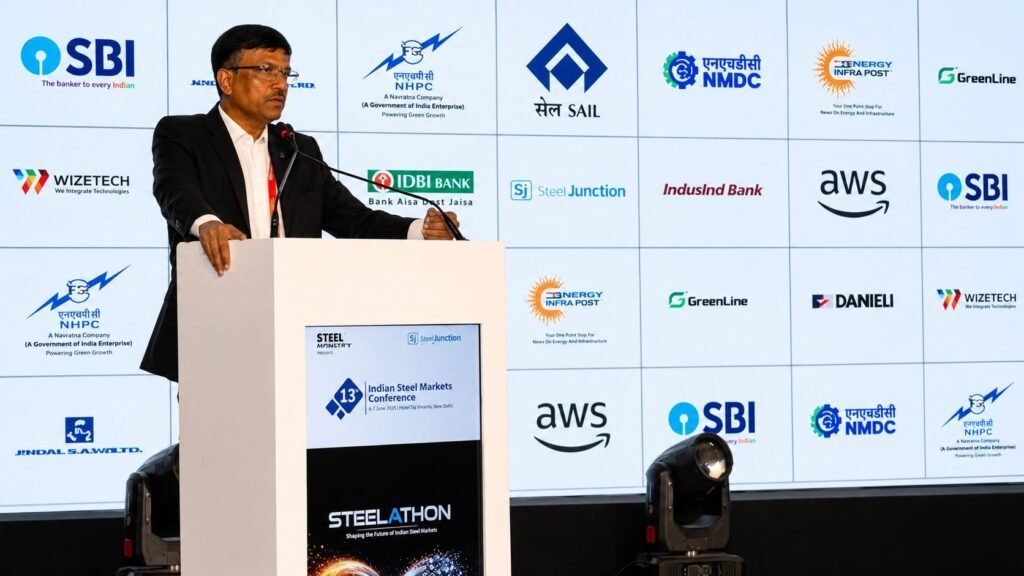
India’s steel industry is expected to witness a gradual shift towards greater use of steel scrap as manufacturers prepare for future capacity expansion and cleaner production methods, according to Steel Authority of India Limited (SAIL) Chairman Ashok Kumar Panda.
Speaking at the 13th Indian Steel Markets Conference, Panda said the role of steel scrap is set to change significantly over the coming years.
“Going forward, scrap will become a raw material. It is not just waste. It is wealth. And the use of scrap in India’s steel industry is going to grow phenomenally,” he said.
India currently produces the majority of its steel through the Basic Oxygen Furnace (BOF) route, which relies primarily on iron ore. However, Panda noted that the economics of steelmaking are changing as rising taxes and royalty structures reduce iron ore’s traditional cost advantage.
He said future growth in steel production through recycled scrap would largely come via the Electric Arc Furnace (EAF) route, although a complete transition is not immediately feasible.
“But nonetheless, going forward, this EAF growth is going to be very important, primarily because of decarbonisation. A time will come when there will be more availability of scrap in the market, and this scrap will require recycling,” Panda said.
He also highlighted India’s strong steel demand outlook, driven by infrastructure development and industrial growth. With per capita steel consumption still relatively low compared to developed economies, the country has significant room for expansion.
Panda reiterated that India is working towards the National Steel Policy target of achieving 300 million tonnes of steel production capacity by 2030. As capacity expands, he believes steel scrap will play an increasingly important role in ensuring sustainable growth while reducing the carbon footprint of steelmaking.
Industry experts believe higher investments in organised scrap collection, recycling infrastructure and Electric Arc Furnace technology will be essential to support India’s long-term manufacturing ambitions and strengthen the country’s transition towards a more circular steel economy.
- 300 Million Tonnes
- Ashok Kumar Panda
- basic oxygen furnace
- BOF Steel
- BuildWatch News
- Circular economy
- construction
- Decarbonisation
- EAF Steel
- electric arc furnace
- Green Steel
- India steel industry
- Indian Manufacturing
- Infrastructure
- Iron Ore
- National Steel Policy
- recycled steel
- SAIL
- steel manufacturing
- steel market
- steel news
- steel production India
- steel recycling
- Steel Scrap
- Sustainable Steel




Related Articles
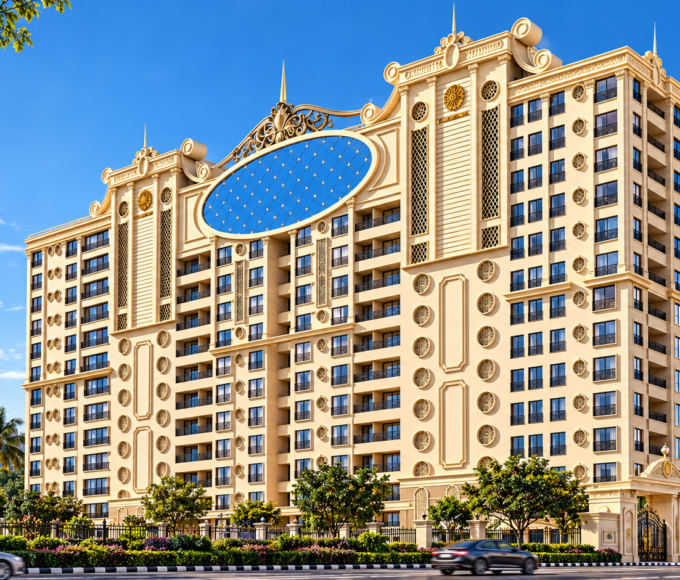
TransIndia Enters Chennai with Ultra-Luxury Residential Project in Anna Nagar
TransIndia has entered Chennai with TransIndia Grandeur, an ultra-luxury residential project in...
TIDCO Floats Tender for Multi-Modal Logistics Hub in Tiruchi
TIDCO has invited tenders to appoint a consultant for the proposed Multi-Modal...

Brigade Enterprises marks 40 years with ₹15,000–20,000 crore growth plan
Brigade Enterprises marks 40 years with a ₹15,000–20,000 crore development plan, focusing...


Brookfield to Acquire ESR India’s 10.5 Million Sq Ft Industrial and Logistics Portfolio for ₹4,300 Crore
Brookfield will acquire ESR India’s 10.5 million sq ft industrial and logistics...

Leave a comment