



India Pushes for EU Steel Scrap Access to Offset CBAM Impact
 Samrita JosephJanuary 20, 20261 Mins read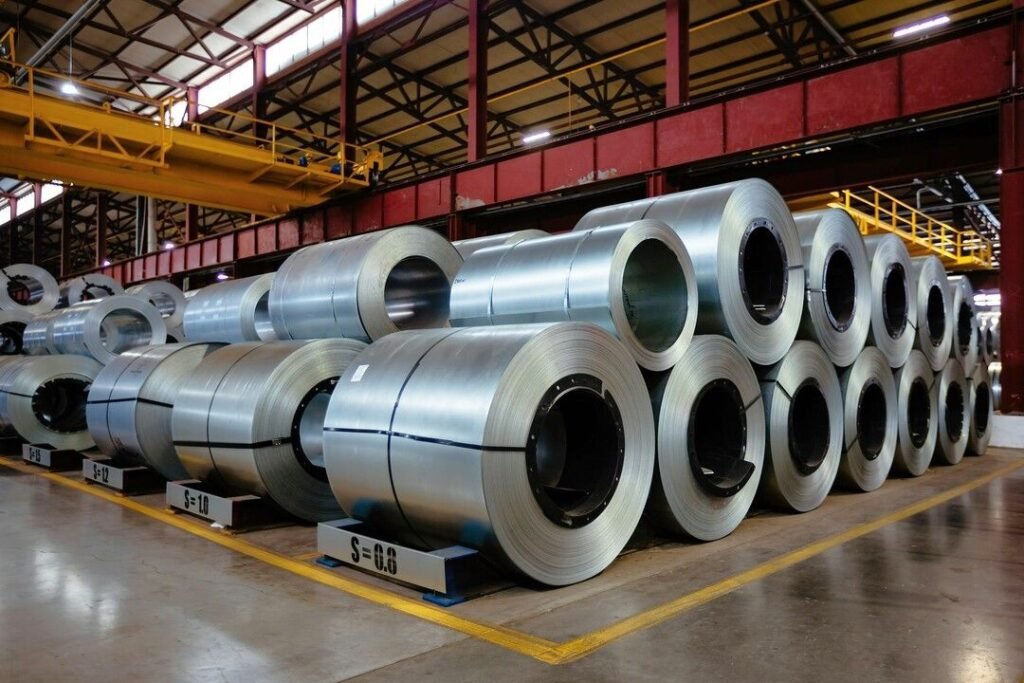
India is pushing for easier access to steel scrap from the European Union as part of ongoing trade negotiations, seeking to soften the impact of the bloc’s Carbon Border Adjustment Mechanism on domestic manufacturers. The carbon linked import levy, which came into effect on January one, has raised concerns across India’s steel sector, particularly among producers heavily dependent on carbon intensive manufacturing routes.
According to industry sources, Indian negotiators have flagged that the combination of CBAM and the European Union’s recycling focused policies is creating a non tariff barrier. While CBAM increases the cost of exporting steel to the twenty seven nation bloc, restrictions on scrap exports from Europe are simultaneously tightening the availability of a key raw material needed for low carbon steel production in India.
The European Union is the world’s largest producer of steel scrap, making it a critical supplier for countries transitioning towards greener steelmaking. Scrap based electric arc furnace production generates significantly lower emissions compared to blast furnace and basic oxygen furnace routes. Gas based direct reduced iron also emits less carbon, but scrap based methods remain the cleanest option currently available at scale.
Indian steelmakers, however, largely rely on blast furnace technology, which carries the highest emission intensity. With CBAM now linking import duties to embedded carbon emissions, exporters face rising compliance costs and reporting requirements. Industry executives say access to competitively priced European scrap could help accelerate the shift towards cleaner production routes and reduce future exposure to carbon taxes.
The government’s push for scrap access is also aligned with India’s broader decarbonisation goals. Policy makers view scrap availability as essential for meeting long term climate commitments while maintaining cost competitiveness in global markets. Easier access could support investments in electric arc furnaces and modern recycling infrastructure over the next decade.
Trade experts note that the issue is likely to remain central to India EU trade talks, as both sides balance climate objectives with industrial competitiveness. For India, securing predictable scrap supplies may be a practical interim solution while domestic recycling capacity and low carbon technologies scale up in the coming years globally.
- blast furnace emissions
- Carbon Border Adjustment Mechanism
- carbon emissions steel
- carbon tax steel
- clean steel production
- climate policy trade
- electric arc furnace
- EU CBAM
- EU steel scrap
- EU trade policy
- Global Steel Market
- green manufacturing
- green steel India
- India EU trade talks
- India steel industry
- Indian Steel Manufacturers
- industrial decarbonisation
- low carbon steel
- recycling policy EU
- steel decarbonisation
- steel exports EU
- steel raw materials
- steel scrap imports
- steel sector India
- Sustainable Steel





Related Articles

Veegaland Developers Raises ₹63 Crore From Anchor Investors Ahead of ₹210-Crore IPO
Veegaland Developers has raised ₹63 crore from anchor investors ahead of its...

Sumadhura Group Unveils ₹17,000 Crore Growth Plan Across Bengaluru, Hyderabad and Chennai
Sumadhura Group has unveiled a ₹17,000 crore growth roadmap through Financial Year...
Synergy Advanced Metals Expands Stainless-Steel Portfolio With Cold-Drawn Profiles
Synergy Advanced Metals has expanded its stainless-steel portfolio with cold-drawn hexagonal, square...


Arnya, Casagrand Launch ₹750-Crore Residential Real Estate Fund
Arnya RealEstates Fund Advisors and Casagrand have launched a ₹750-crore Category II...

Leave a comment