





Migrant Labour Exodus from Bengaluru May Slow Construction and Real Estate Activity
 Samrita JosephMarch 24, 20261 Mins read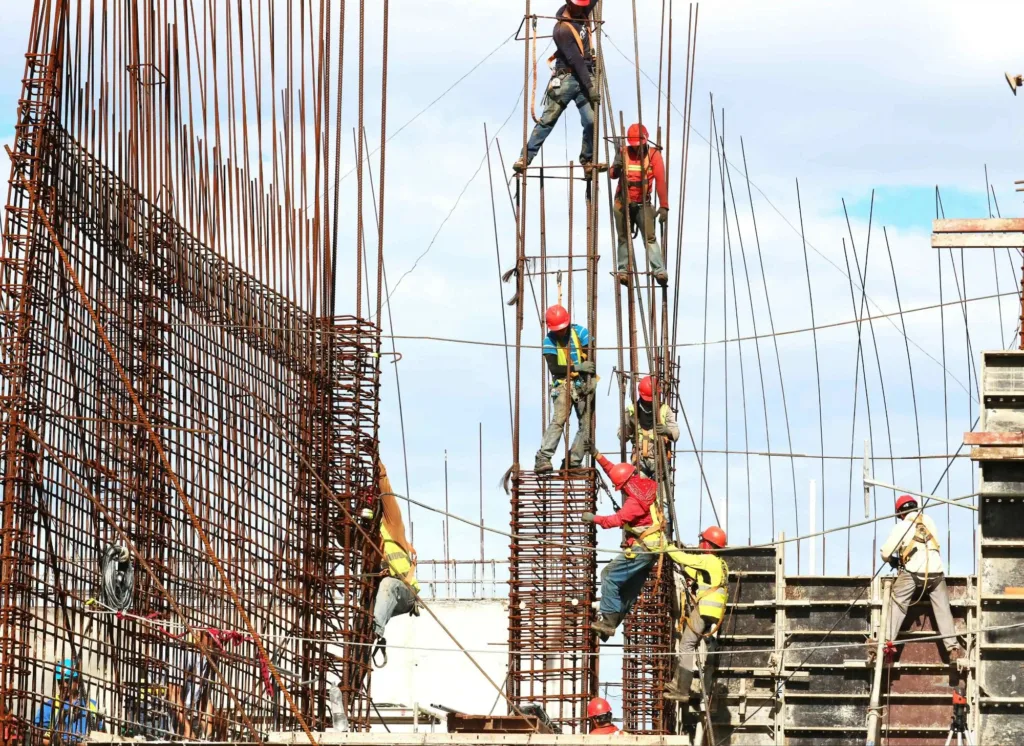
Bengaluru’s construction and real estate sectors are facing a temporary but significant disruption as migrant labourers from West Bengal begin returning to their home state ahead of upcoming elections. The sudden movement of workers has raised concerns across the industry, particularly as the city heavily depends on migrant labour for ongoing infrastructure and real estate projects.
Industry sources indicate that the migration has picked up pace in recent days, with workers leaving in large numbers due to fears of missing out on welfare benefits if they do not participate in the electoral process. Many labourers believe that failure to vote could impact access to essential schemes such as ration cards and other government entitlements.
The timing of this exodus has added pressure on the construction sector, which is already navigating multiple challenges. Bengaluru’s real estate growth has been supported by a steady supply of skilled and semi-skilled labour, much of which comes from eastern states like West Bengal. These workers play a crucial role in specialised construction activities such as tile laying, carpentry, finishing works and interior execution.
With a significant portion of this workforce temporarily unavailable, several ongoing projects are witnessing slowdowns. Developers and contractors are being forced to adjust timelines, while some smaller projects may even pause work until labour availability stabilises.
Industry stakeholders believe that the impact, while immediate, is likely to be short-term. Typically, such migration patterns are observed during election periods, and workers tend to return within a few weeks once voting concludes. However, the short disruption could still affect project schedules, labour costs and overall productivity.
The situation also highlights the structural dependence of urban construction ecosystems on migrant labour. As cities like Bengaluru continue to expand rapidly, ensuring a stable and resilient workforce becomes critical for sustaining infrastructure growth.
Experts suggest that better workforce planning, skill development at the local level and improved labour policies could help mitigate such disruptions in the future. For now, the sector is expected to experience a temporary slowdown, with normalcy likely to return by the end of the election cycle.
- bengaluru builders challenges
- Bengaluru construction news
- bengaluru housing projects delay
- bengaluru real estate slowdown
- construction delays bengaluru
- construction labour shortage india
- construction productivity india
- construction workforce India
- election impact labour india
- india infrastructure workforce
- indian construction industry challenges
- indian infrastructure labour issues
- indian real estate labour crisis
- infrastructure projects bengaluru
- labour dependency india cities
- labour migration impact construction
- labour migration trends india
- labour shortage real estate india
- migrant labour exodus india
- migrant workers india construction
- real estate bengaluru news
- skilled labour shortage india
- urban development india labour
- west bengal migrant workers
- west bengal workers bengaluru






Related Articles

IHCL to Develop 300-Key Taj Hotel in Rameswaram, Tamil Nadu
IHCL has signed an agreement to develop a 300-key Taj hotel in...

IOCL Plans ₹2,449 Crore Kochi–Thoothukudi Natural Gas Pipeline
IOCL plans to invest ₹2,449 crore in a 424.65-km Kochi–Thoothukudi natural gas...
Hazoor Multi Projects Secures ₹207.45 Crore Chennai Construction Order
Hazoor Multi Projects has secured a ₹207.45 crore work order from Emerald...



Lloyds Metals Approves ₹1,550 Crore NCDs, Plans DRI Capacity Expansion
Lloyds Metals has approved ₹1,550 crore in NCDs through private placement and...

Leave a comment