





Tata Steel Reaffirms 40 MTPA Capacity Vision, Plans ₹20,000 Crore Capex for FY27 Expansion
 Samrita JosephJuly 3, 20262 Mins read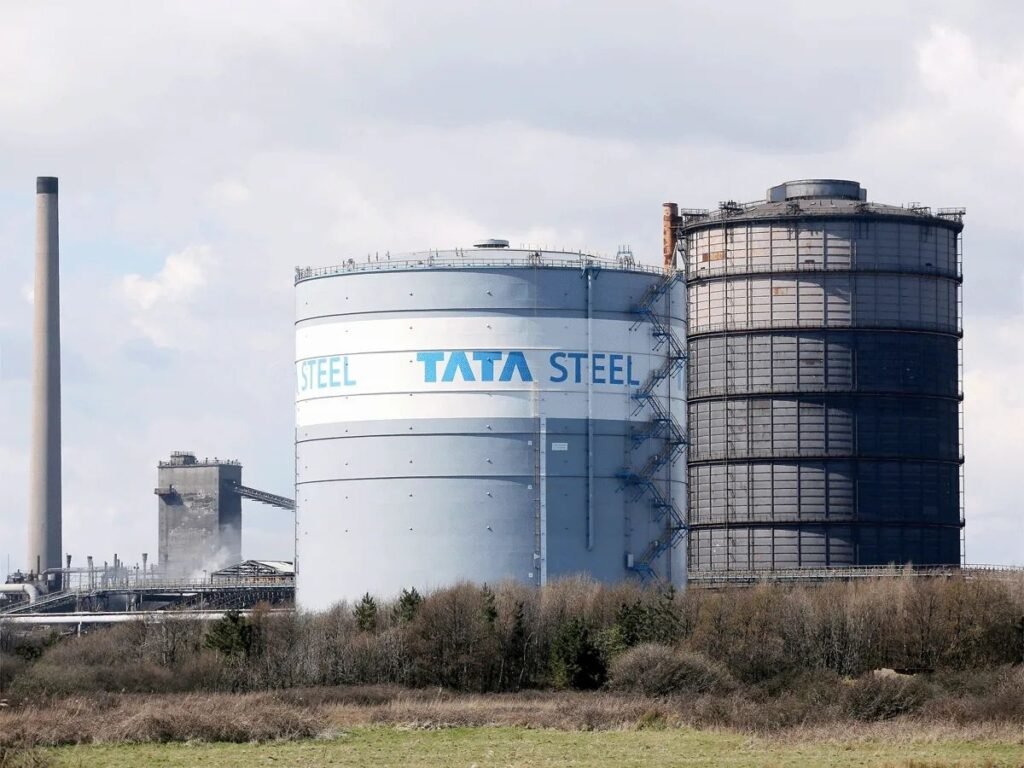
Tata Steel has reinforced its long-term growth strategy by reaffirming its commitment to achieve 40 million tonnes per annum (MTPA) steelmaking capacity in India. Speaking at the company’s 119th Annual General Meeting, Chairman N. Chandrasekaran said the company has already begun planning for the next phase of expansion following the successful commissioning of Phase II at its Kalinganagar steel plant in Odisha.
The completion of the Kalinganagar expansion has increased Tata Steel’s total production capacity to 26.1 MTPA, marking a significant milestone in the company’s growth journey. The project has expanded the Kalinganagar facility from 3 MTPA to 8 MTPA and includes India’s largest blast furnace along with a state-of-the-art cold rolling mill.
According to the company, the expanded facility will strengthen its portfolio of high-value flat steel products while enhancing its presence in key sectors such as automotive, defence and engineering. Tata Steel also plans to continue expanding its downstream businesses, including tubes, tinplate and wire products, to improve value addition across its operations.
To support its expansion roadmap, Tata Steel has earmarked around ₹20,000 crore as capital expenditure for FY27. The company expects to maintain an annual capital investment of ₹15,000 crore to ₹20,000 crore over the coming years. Planned expansions at Neelachal Ispat Nigam Limited (NINL) and the Meramandali facility are also expected to contribute to future capacity growth.
During FY26, Tata Steel reported strong financial performance with consolidated revenue of ₹2,32,140 crore. The company achieved record crude steel production of around 23.4 million tonnes, while consolidated EBITDA increased 35% to ₹34,848 crore. Profit after tax surged 243% to ₹10,886 crore, reflecting improved operational efficiency and market demand. The Board has also recommended a dividend of ₹4 per equity share.
Beyond capacity expansion, Tata Steel continues to invest heavily in digital transformation. More than 860 artificial intelligence models are currently deployed across its operations to improve safety, productivity, quality and energy efficiency. Its digital platforms, Aashiyana and DigECA, recorded a combined gross merchandise value of ₹9,360 crore during FY26, registering strong year-on-year growth.
Internationally, the company continues its low-carbon transition with major investments in the United Kingdom, while also engaging with the Dutch government to address regulatory challenges facing its Netherlands operations. These initiatives support Tata Steel’s broader objective of becoming a larger, greener, smarter and more resilient steel producer.
With sustained investments in manufacturing capacity, technology adoption, sustainability and value-added products, Tata Steel is positioning itself to meet India’s growing infrastructure and industrial demand while strengthening its leadership in the global steel industry.
- AI in Manufacturing
- automotive steel
- BuildWatch News
- Defence Steel
- India Infrastructure
- Indian Steel Sector
- Industrial Growth
- infrastructure development
- Kalinganagar Phase II
- Kalinganagar project
- Manufacturing Sector India
- Meramandali
- N Chandrasekaran
- Neelachal Ispat Nigam
- Odisha Steel Plant
- Steel Capacity Expansion
- Steel Industry India
- steel manufacturing India
- steel news India
- Tata Steel
- Tata Steel 40 MTPA
- Tata Steel AGM
- Tata Steel expansion
- Tata Steel FY27 capex
- Tata Steel Investment




Related Articles
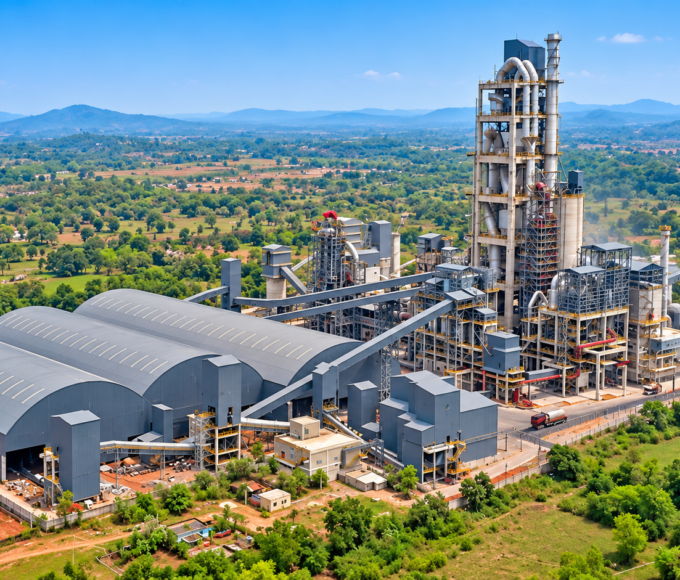
JSW Cement to Merge With Shiva Cement, Creating Unified Cement Platform
JSW Cement has proposed merging with listed subsidiary Shiva Cement to create...
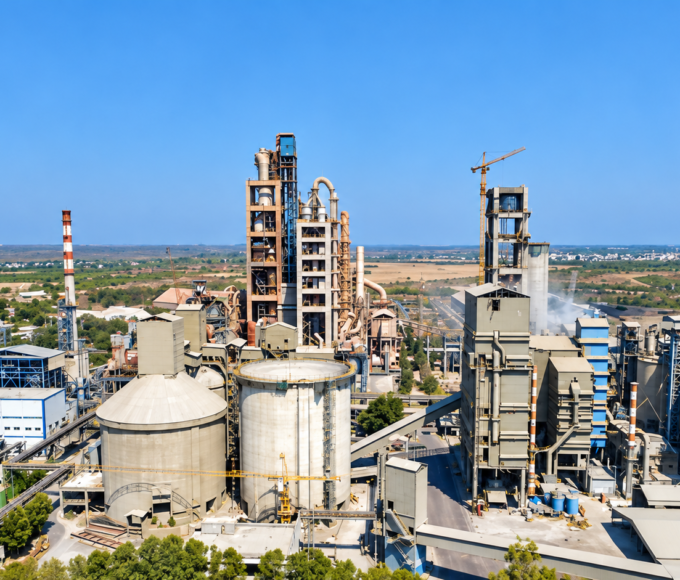
Ramco Cements Raises Jayanthipuram Clinker Capacity to 5.62 MTPA
Ramco Cements has completed de-bottlenecking at its Jayanthipuram plant in Andhra Pradesh,...
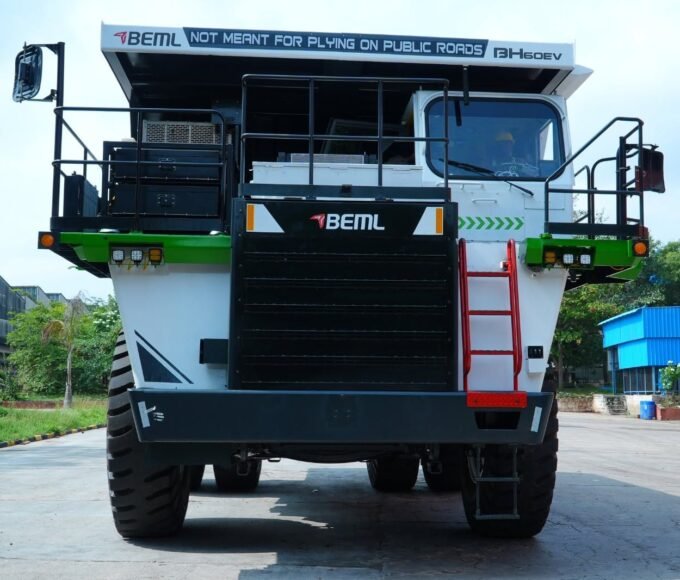
BEML Unveils India’s First Indigenous 60-Ton Electric Dump Truck BH60-EV
BEML has unveiled the BH60-EV, India’s first indigenous 60-ton electric dump truck,...
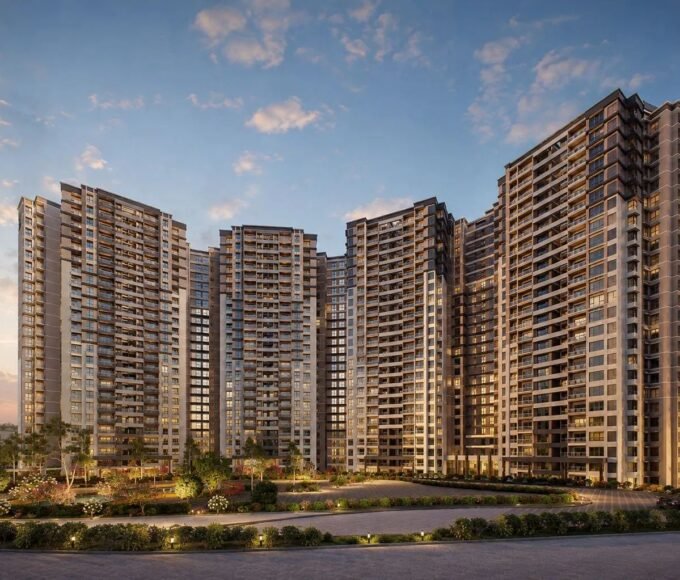


Prestige Estates Projects launches two Bengaluru housing projects with ₹2,850 crore revenue potential
Prestige Estates Projects has launched two new housing projects in Bengaluru with...

Leave a comment