




India’s Steel Demand Could Reach 280 Million Tonnes by 2035; McKinsey Sees $400 Billion Investment Opportunity
 Samrita JosephNovember 24, 20261 Mins read
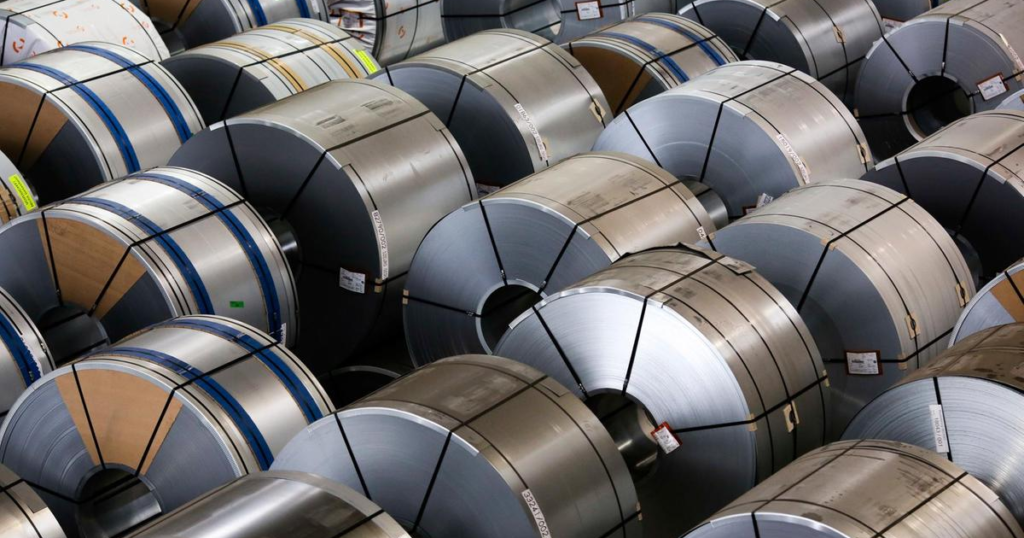
India’s steel industry is heading towards a major expansion phase, with demand expected to rise as infrastructure, construction, transport and manufacturing activity grows. A McKinsey report projects annual steel demand of 250 million to 280 million tonnes by 2035, rising to 320 million to 350 million tonnes by 2040.
The projections underline the investment required to support India’s industrial ambitions. The country has set a target of reaching 600 million tonnes per annum of crude steel capacity by 2047. Building the capacity needed to meet that goal could require between USD 350 billion and USD 400 billion, the report estimates.
India’s crude steel capacity stood at approximately 233 million tonnes per annum in 2026, compared with around 210 million tonnes in the previous year. Projects announced by steel producers are expected to add another 60 million to 70 million tonnes of annual capacity over the next five to ten years.
Construction and infrastructure remain central to this growth. These sectors account for an estimated 65 to 68 per cent of domestic steel consumption, reflecting demand from buildings, roads, railways and development projects.
Expanding production will involve challenges beyond building new plants. Steelmakers will need reliable supplies of iron ore, coking coal and scrap, alongside investment in mining, processing, logistics, equipment manufacturing and engineering. The report highlights India’s dependence on imported coking coal. Imports met around 95 per cent of the country’s requirement in fiscal 2025, leaving producers exposed to international supply disruptions and price volatility.
The investment scale also raises questions about the industry’s environmental footprint. Steel plants typically operate for decades, meaning facilities commissioned over the coming years could remain active well beyond 2050. Decisions made during this expansion phase will influence the sector’s emissions profile for decades.
For India, the opportunity is substantial, but so is the execution challenge. Meeting projected demand will require progress in steel production, raw materials, infrastructure and cleaner technologies. The next phase of capacity creation will be judged not only by how much steel the country can produce, but also by the resilience and sustainability of the system supporting it across the country.
- 600 MTPA steel target
- BuildWatch News
- coking coal imports
- construction sector India
- crude steel production
- Green Steel
- India Steel Capacity
- India Steel Demand
- Indian Infrastructure Growth
- Indian Steel Industry
- Indian Steel Market
- infrastructure development India
- iron ore supply
- McKinsey steel report
- Steel Consumption India
- steel demand 2035
- steel industry investment
- Steel Industry Sustainability
- steel investment India
- steel logistics
- steel manufacturing
- steel plants India
- steel production capacity
- steel raw materials
- USD 400 billion investment

Related Articles
Brigade Group Acquires 2.25 Acres in Hyderabad’s Secunderabad for ₹180 Crore, Plans ₹1,000 Crore Residential Project
Brigade Group has acquired 2.25 acres in Secunderabad for ₹180 crore. The...
Tamil Nadu Seals 19 Illegal Sand Depots in Red Hills Near Chennai After Surprise Inspection
Tamil Nadu authorities have sealed 19 illegal sand depots in Red Hills...
Shree Cement Targets 100 MTPA Capacity Within Four Years as Expansion Gathers Pace
Shree Cement aims to cross 100 MTPA production capacity within four years,...



MAK Projects Launches MAK Fern, a 109-Villa Luxury Community in South Hyderabad
MAK Projects has unveiled MAK Fern, a 15-acre gated villa community near...

Leave a comment