





India’s Cement Production Could Rise 400% by 2047 as Construction Sector Powers Economic Growth
 Samrita JosephJune 5, 20261 Mins read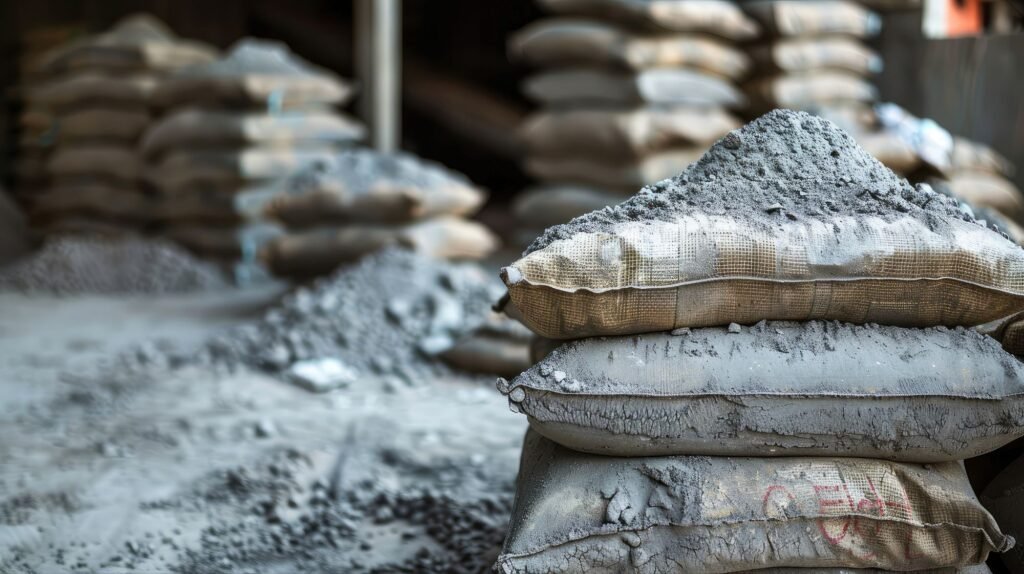
India’s construction sector is emerging as one of the strongest drivers of economic growth, with rising investments in infrastructure, housing, transportation, industrial corridors, and urban development. As the country moves toward becoming a developed economy, demand for construction materials is expected to increase significantly, placing the cement industry at the centre of this transformation.
Speaking at the 12th edition of World of Concrete India 2026 held in Mumbai, industry experts highlighted the need to balance growth with sustainability. They noted that while construction activity is accelerating across the country, environmental responsibility and technological innovation must advance at the same pace.
Dr L.P. Singh, Director General of the National Council for Cement and Building Materials (NCB), stated that India’s cement production could increase from nearly 500 million tonnes at present to around 2,100 million tonnes by 2047. The figure could further rise to approximately 2,800 million tonnes by 2070 as infrastructure and urbanisation continue to expand.
According to experts, this growth presents both opportunities and challenges. While higher cement production will support major infrastructure projects, it will also require stronger efforts to reduce carbon emissions, improve resource efficiency, and develop sustainable construction materials. The focus is increasingly shifting towards green technologies, low-carbon cement products, and performance-based building solutions.
India’s diverse climatic conditions also demand innovative construction practices. Heavy rainfall regions, coastal zones, arid landscapes, and densely populated urban centres require specialised materials capable of delivering long-term durability and resilience.
Mumbai was cited as an example where concrete roads have increasingly replaced asphalt surfaces to withstand intense monsoon conditions and heavy traffic loads. Such infrastructure upgrades demonstrate the growing importance of advanced construction technologies in enhancing asset life and reducing maintenance costs.
Industry leaders believe that collaboration between government agencies, research institutions, manufacturers, and technology providers will be critical in shaping the future of India’s construction ecosystem. As the country targets rapid economic expansion, sustainable construction practices will play a key role in ensuring long-term growth while minimising environmental impact.
- Build Watch News
- building materials industry
- building technology
- cement demand
- Cement Production India
- Cement Sector Outlook
- concrete technology
- construction innovation
- Construction materials
- construction sector India
- Decarbonisation
- Economic Growth India
- green building materials
- India cement industry
- industrial development
- Infrastructure Growth
- Infrastructure Projects India
- low carbon cement
- NCB India
- Real Estate Growth
- smart infrastructure
- Sustainable construction
- sustainable infrastructure
- urbanisation India
- World of Concrete India




Related Articles

Assetz Partners with Fairlark for 10-Acre Residential Project in North Bengaluru
Assetz has partnered with Fairlark Sagar Enterprises Centroid to develop a 10-acre...
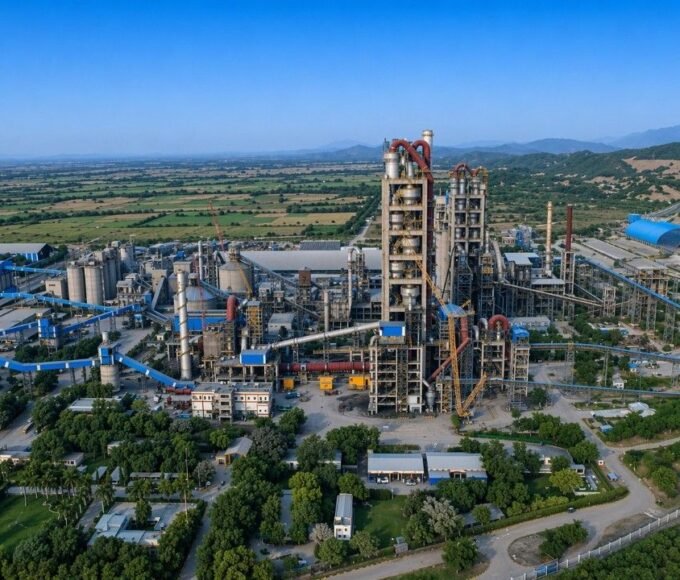
UltraTech Cement Commissions ₹2,650 Crore Petnikota Plant in Andhra Pradesh
UltraTech Cement has commissioned its ₹2,650 crore Petnikota plant in Andhra Pradesh...
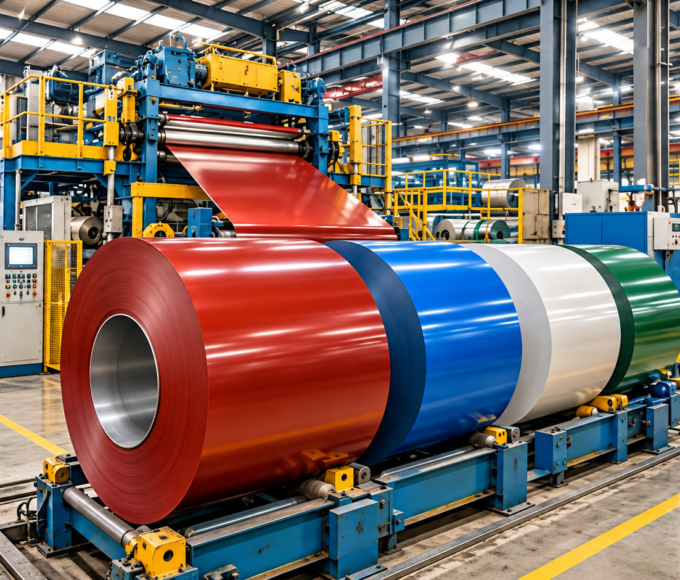
BMW Industries Starts Color-Coated Steel Production at Bokaro Facility
BMW Industries has started color-coated steel production at its Bokaro facility in...



Gopalan Aerospace Opens New Bengaluru Facility, Targets 500 Drones a Month
Gopalan Aerospace has inaugurated a 10.5-acre manufacturing facility near Bengaluru, expanding its...

Leave a comment