




Shree Cement Q2 FY27 Revenue Rises 18.8% to ₹5,110 Crore, Net Profit Falls 24.2%
 Samrita JosephOctober 24, 20262 Mins read
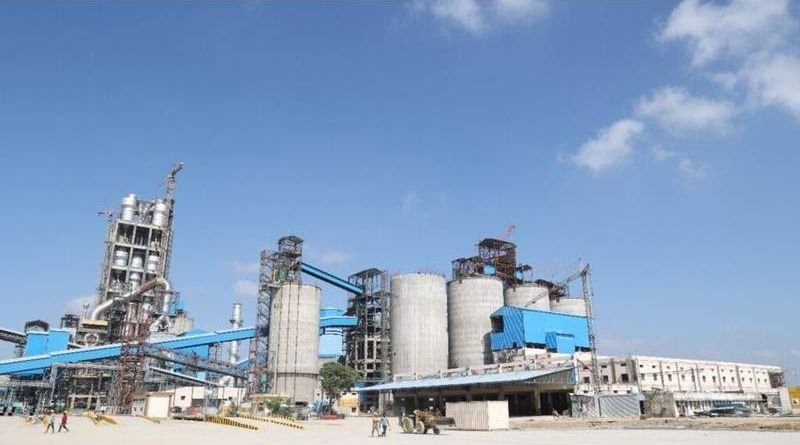
Shree Cement reported an increase in standalone revenue for the second quarter of Financial Year 2026–27, even as higher operating costs and margin pressure weighed on profitability. Revenue rose 18.8% year-on-year to ₹5,110 crore for the quarter, compared with ₹4,303 crore in the corresponding period last year.
Net profit, however, declined 24.2% to ₹210 crore from ₹277 crore a year earlier, highlighting the difference between revenue growth and earnings performance in the cement sector.
Revenue Growth Outpaces Profitability
The company’s second-quarter revenue exceeded market estimates of ₹4,773 crore, reflecting stronger-than-expected business performance. Operating EBITDA stood at ₹850 crore, matching the figure recorded in the year-ago quarter and exceeding analyst expectations of ₹750 crore.
Despite stable operating EBITDA, Shree Cement’s EBITDA margin narrowed to 16.6% from 19.78% in the corresponding quarter of the previous financial year. The contraction indicates that higher revenue did not translate into a proportional improvement in operating profitability.
Power and fuel expenses, logistics costs and fluctuations in key raw material prices remain important factors influencing cement manufacturers’ margins. For companies operating across multiple regional markets, the balance between cement realisations, production costs and transportation expenses can significantly affect quarterly earnings.
Cost Pressures Remain a Challenge
The latest results come at a time when India’s cement industry continues to navigate changing construction demand and input cost pressures. Infrastructure projects, housing developments and commercial construction provide demand opportunities, while seasonal factors such as monsoon-related disruptions can influence cement dispatches and regional pricing.
For Shree Cement, the increase in revenue alongside unchanged operating EBITDA suggests that maintaining cost efficiency will remain important in the coming quarters. Any improvement in fuel costs, logistics efficiency or cement realisations could influence future margin performance, although the outcome will depend on market conditions.
What the Results Mean for the Cement Sector
Shree Cement’s quarterly performance reflects a broader challenge for building materials manufacturers: converting sales growth into stronger profits. Higher revenue can support business expansion, but sustained profitability depends on controlling expenses and maintaining pricing discipline.
The company’s revenue and operating EBITDA both exceeded market expectations, while net profit matched analyst estimates. The contrasting performance across these measures highlights why investors and industry observers assess operating margins alongside headline revenue figures.
Going forward, cement demand, regional pricing trends, fuel costs and infrastructure activity will remain important indicators to watch. Shree Cement’s ability to protect margins while sustaining revenue growth will be central to its financial performance over the coming quarters.
- building materials industry
- Cement companies India
- Cement Demand India
- cement EBITDA margin
- Cement Industry India
- Cement Manufacturing
- cement market India
- Cement Price Trends
- cement profitability
- cement sector news
- Construction materials
- housing construction India
- Indian cement industry
- Indian Corporate Earnings
- infrastructure construction India
- power and fuel costs
- quarterly earnings FY27
- Shree Cement
- Shree Cement EBITDA
- Shree Cement financial results
- Shree Cement net profit
- Shree Cement news
- Shree Cement Q2 FY27 results
- Shree Cement Q2 results
- Shree Cement revenue


Related Articles
Bengaluru Metro Phase 3: Karnataka Issues Preliminary Land Acquisition Notice
Karnataka has issued a preliminary land acquisition notice covering 13,409.05 square metres...
Pragati Group Plans ₹2,500 Crore Industrial Park in Andhra Pradesh’s Guntur District
Pragati Group plans to invest ₹2,500 crore in an industrial park in...
JSW Steel Q2 FY27 Net Profit Surges 225% to ₹5,279 Crore on Record Sales
JSW Steel reported a 225.3% year-on-year rise in Q2 FY27 net profit...


Bhartiya Urban, Alpine Plan ₹1,000 Crore-Plus Nikoo Homes 9 Alpine Project in North Bengaluru
Bhartiya Urban and Alpine are developing Nikoo Homes 9 Alpine, a ₹1,000...

Leave a comment