





Housing Prices Rise 59% in Four Years, Far Outpacing Construction Costs
 Samrita JosephSeptember 7, 20261 Mins read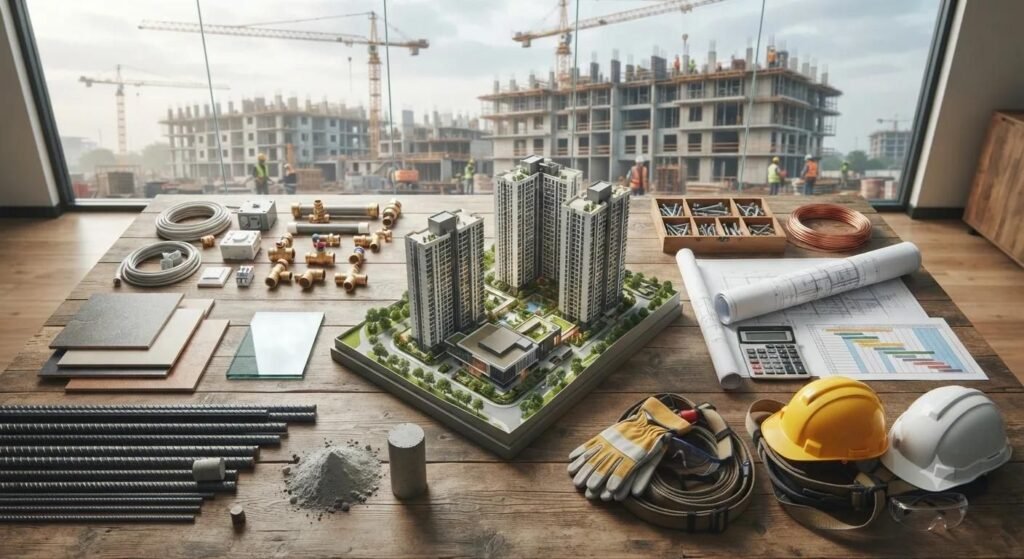
Housing prices across India’s top seven cities rose sharply between 2021 and 2025, increasing by 59% compared with a 34% rise in residential construction costs, according to property consultancy Anarock. The widening gap highlights how land prices, developer margins and changing market conditions are increasingly influencing the final cost of homes.
Anarock’s analysis shows that the average construction cost of a standard-plus residential project increased from ₹2,681 per sq ft in 2021 to ₹3,604 per sq ft in 2025. That represents a compound annual growth rate of 6.9%.
Residential capital values, however, moved much faster. Average values climbed from ₹5,826 per sq ft to ₹9,260 per sq ft over the same four-year period, translating into a 12% compound annual growth rate.
The consultancy estimates that about 66% of the increase in residential prices can be attributed to higher construction costs. The remaining 34% came from factors outside standard construction-cost calculations, particularly land values, developer margins and broader demand-supply dynamics.
Land has emerged as one of the biggest contributors to the price gap. Unlike cement, steel and labour, land costs are generally excluded from standard construction-cost calculations. Across India’s top seven cities, land values increased by around 50-120% between 2021 and the first half of 2026, with sharper increases recorded in some markets.
The National Capital Region saw land prices rise by around 70-130%, while Bengaluru recorded an estimated 60-120% increase during the same period.
Construction costs are also facing renewed pressure. Anarock estimates that overall project costs have risen by around 8-10%, with steel prices increasing by about 20%. Mechanical, electrical and plumbing works have become 9-13% more expensive, while finishing materials have risen by 8-12%. Cement prices increased by around 4-5%, while labour costs rose approximately 5-6%.
The impact is particularly significant for developers with projects already launched and largely sold, as their ability to raise prices is limited. New projects offer more flexibility to factor higher costs into launch prices, although affordability and local competition remain important constraints.
For homebuyers, the widening difference between construction costs and selling prices points to continuing affordability pressures, particularly in affordable and mid-income housing. Premium and luxury segments, meanwhile, retain greater pricing power and may be better positioned to absorb higher costs or pass them on to buyers.
- Affordable housing
- ANAROCK
- Bengaluru Real Estate
- construction cost India
- Construction Costs
- Home Prices
- Homebuyers
- Housing Market India
- housing prices India
- India property market
- India Real Estate 2026
- Indian housing market
- land prices India
- Land Value
- Luxury Housing
- mid income housing
- NCR real estate
- property investment
- Property prices
- Real Estate Developers
- Real Estate Prices
- Real Estate Trends
- Residential Construction
- residential property
- residential real estate






Related Articles
Bhartiya Urban, Alpine Plan ₹1,000 Crore-Plus Nikoo Homes 9 Alpine Project in North Bengaluru
Bhartiya Urban and Alpine are developing Nikoo Homes 9 Alpine, a ₹1,000...

Jindal Stainless Q2 Net Profit Rises 11% to ₹898 Crore, Revenue Grows 18%
Jindal Stainless reported an 11% rise in Q2 FY27 net profit to...

Havells India Q2 Net Profit Rises to ₹353 Crore as Revenue Jumps 34%
Havells India reported a 34.3% year-on-year rise in standalone revenue to ₹6,400...



Piyush Goyal Warns EU Steel Carbon Tax Could Raise Costs and Hurt Industry Competitiveness
Piyush Goyal has criticised the EU's carbon tax on steel, warning that...

Leave a comment