




Steel Prices May Rise ₹1,500–2,000 Per Tonne in September on Stronger Demand
 Samrita JosephSeptember 2, 20261 Mins read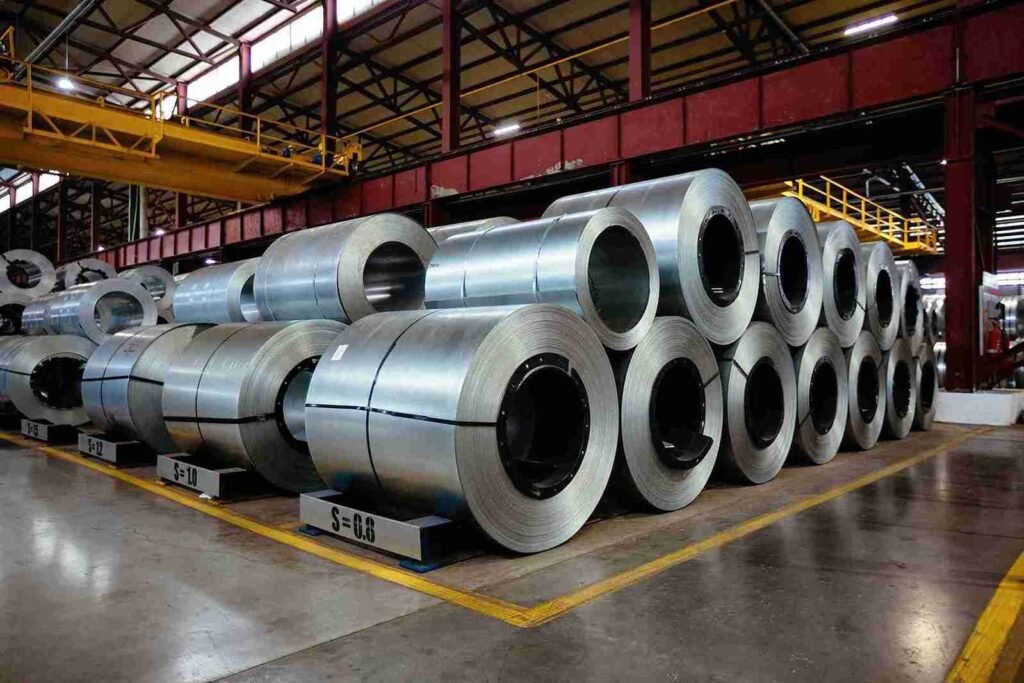
India’s domestic steel market is heading into September with expectations of another round of price increases, as improving post-monsoon demand, tighter availability and elevated input costs put upward pressure on steel prices.
Market estimates indicate that domestic steel prices could rise by around ₹1,500–2,000 per tonne during September, taking prices to nearly ₹72,500 per tonne. The expected increase comes after steel demand remained resilient through the monsoon period, while several producers undertook scheduled maintenance shutdowns that kept supply relatively tight.
According to data from the Ministry of Steel, finished steel consumption increased by 8% between April and July, highlighting the strength of domestic demand. Infrastructure and construction activity, supported by government spending, continues to provide a key demand base for steel producers. Healthy automobile and consumer durables sales are also supporting demand for flat steel products.
HRC and TMT prices remain elevated
Steel prices have already moved higher over the past year. Hot-rolled coil (HRC) prices were around ₹70,448 per tonne in August, marking a 15% year-on-year increase. TMT bar prices also climbed nearly 6% year-on-year to about ₹58,000 per tonne.
Analysts expect the upward momentum to continue as construction activity typically gains pace after the monsoon. Bhavik Shah, Research Analyst – Metals and Mining at Choice Institutional Equities, said improving demand, tighter availability and higher steel-making costs could drive further price increases in September.
Input costs are another factor influencing the market. Coking coal prices have risen around 5% from first-quarter levels. Since coking coal forms a significant part of the cost structure for blast furnace-based steel production, higher coal prices are adding pressure on steelmakers’ margins and could encourage mills to pass on some of these costs through higher selling prices.
Imports add another dimension
India’s steel market is also navigating increased imports. Indian HRC prices remain around 5–6% below Chinese import parity, despite safeguard duties. However, the gap has narrowed considerably from the historical discount of 20–25%.
Steel imports from China, Japan and Russia increased by around 22% quarter-on-quarter in the first quarter, according to market estimates. This has added another variable for domestic producers as they balance pricing, demand and competitive pressures.
With infrastructure, construction and automotive demand remaining firm, analysts expect the domestic steel market to retain its positive momentum in the near term. If post-monsoon consumption strengthens as expected, September could bring another round of price revisions across key steel products.
- automotive steel demand
- China steel imports
- coking coal prices
- construction steel demand
- domestic steel prices
- finished steel consumption
- hot rolled coil prices
- HRC prices
- India steel prices
- Indian Steel Industry
- infrastructure steel demand
- Ministry of Steel
- Safeguard Duty Steel
- steel demand India
- Steel Imports India
- Steel Industry
- steel market India
- Steel Market Outlook
- steel price forecast
- steel price hike
- Steel Prices
- steel prices September 2026
- steelmakers India
- TMT bar prices
- TMT steel prices





Related Articles

Zydex Paints Enters India’s Retail Market with Three New Products, Targets 1% Share in Three Years
Zydex Paints has entered India’s consumer retail paints market with NIVO, DRIO...

Andhra Pradesh Plans ₹1,700 Crore Waterway Corridor Linking Muktyala with Machilipatnam Port
Andhra Pradesh has invited tenders for a 168-km navigation corridor linking Muktyala...
Awfis Space Solutions Revenue Rises 27% to ₹425 Crore in Q1 FY27
Awfis Space Solutions reported 27% revenue growth to ₹425 crore in the...


India Cements Q2 FY27 EBITDA Rises 34.3% to ₹148 Crore as Sales Volume Grows
India Cements, a subsidiary of UltraTech Cement under the Aditya Birla Group,...

Leave a comment