





Tata Steel sets benchmark with steel based Zero Energy Building in Bhubaneswar
 Samrita JosephDecember 15, 20251 Mins read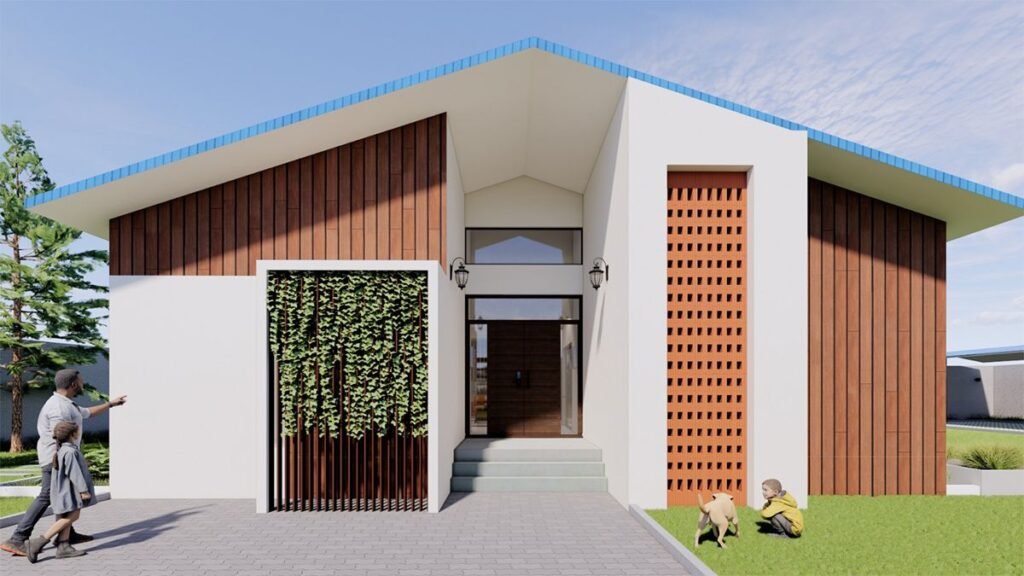
Tata Steel has taken a decisive step towards redefining sustainable construction in India with the inauguration of a steel based Zero Energy Building in Bhubaneswar, Odisha. Developed in collaboration with constructsteel, the steel construction market development programme of the World Steel Association, the project demonstrates how advanced building technologies can deliver energy efficiency, speed, and environmental responsibility at scale.
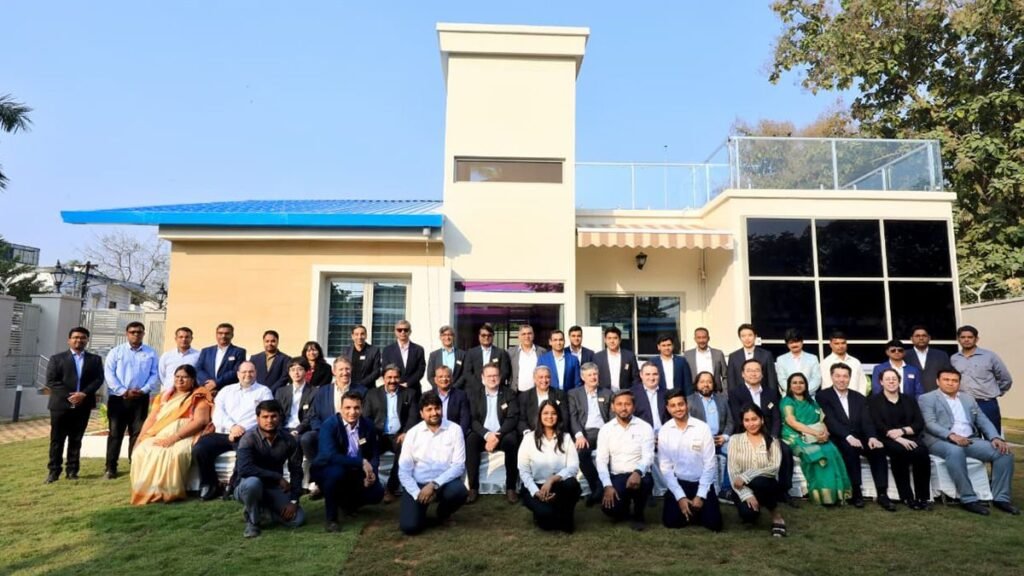
Spread across 1,836 square feet, the next generation facility was completed in just 3.5 months using Light Gauge Steel Frame technology. The building was inaugurated by Tata Steel CEO and Managing Director T V Narendran in the presence of Dr Edwin Basson, Director General of the World Steel Association. The rapid construction timeline underlines the efficiency of steel based systems, particularly in meeting India’s growing demand for resilient and resource efficient infrastructure.
Designed to produce as much energy as it consumes over a year, the building achieves net zero energy performance through a combination of reduced energy demand and on site renewable generation. High performance glazing, insulated walls and roof panels, and a tightly sealed building envelope help minimise heat gain and energy loss. Natural ventilation has been incorporated wherever feasible to further reduce operational energy requirements.
Clean power generation is enabled through rooftop solar panels and building integrated photovoltaics, allowing the structure to meet its annual energy needs sustainably. The facility also integrates rainwater harvesting systems and low flow fixtures, ensuring responsible water use alongside energy efficiency.
According to Narendran, the project reflects the future of construction in India. He highlighted that steel based zero energy buildings offer a scalable and replicable model that aligns with national goals on decarbonisation and climate resilience. The inherent strength, durability, and recyclability of steel further enhance the building’s long term environmental performance.
The Bhubaneswar facility stands as a practical demonstration of how modern steel construction can support India’s transition towards low carbon, energy efficient buildings. It signals a shift from conventional practices to smarter, faster, and greener construction methods that can be adopted across commercial, institutional, and public infrastructure projects nationwide.
- Bhubaneswar
- building integrated photovoltaics
- climate resilient infrastructure
- constructsteel
- energy efficient buildings
- green buildings
- Green Steel
- Indian infrastructure
- LGSF technology
- low carbon construction
- modern construction technology
- net zero buildings India
- net zero energy
- rainwater harvesting
- renewable energy buildings
- solar powered buildings
- Steel Construction
- steel frame construction
- Sustainable Architecture
- sustainable construction India
- Tata Steel
- Tata Steel projects
- World Steel Association
- Zero Energy Building






Related Articles

Hyderabad Plans World-First Tunnel Beneath Begumpet Airport Runway to Ease Traffic
Telangana unveils a first-of-its-kind underground tunnel beneath Begumpet Airport runway to reduce...

Brigade Group Unveils Belvedere in East Bengaluru With ₹1,100 Crore Revenue Potential
Brigade Group launches Brigade Belvedere on Budigere Main Road, East Bengaluru, a...

Hyatt to Develop ₹250 Crore Five-Star Hotel in Visakhapatnam, Boosting Tourism and Hospitality Growth
Hyatt’s new ₹250 crore five-star hotel in Visakhapatnam is set to enhance...



Govt Launches PRISM-SG Portal to Accelerate Bridge Approvals and Boost Infrastructure Delivery
The government has launched the PRISM-SG portal to digitise bridge approval processes,...

Leave a comment