




India Likely to Ease Steel QCOs, Suspend BIS Certification for 55 Grades
 Samrita JosephNovember 15, 20251 Mins read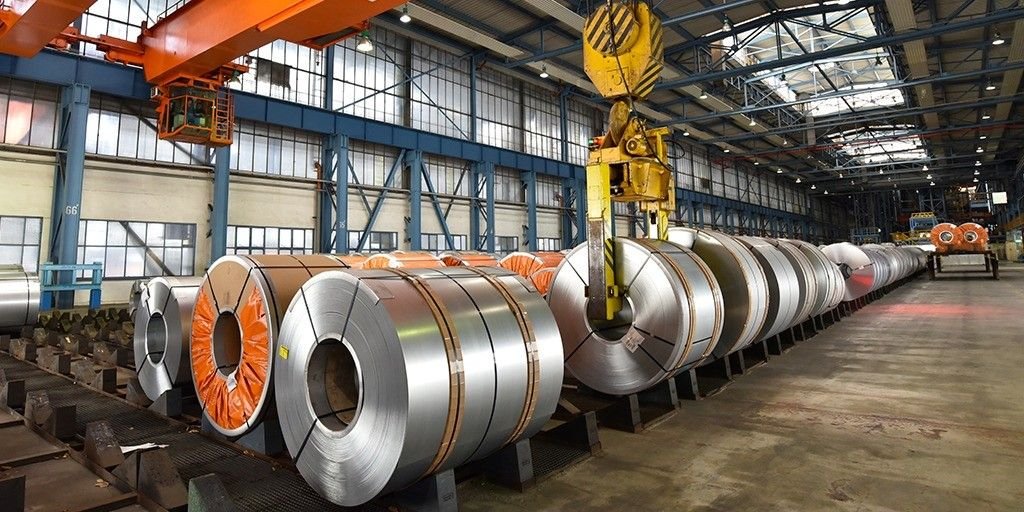
The Indian steel industry is set to receive significant relief as the government prepares to suspend Quality Control Orders (QCOs) for 55 steel grades. According to official sources, the Steel Ministry is likely to remove the mandatory BIS certification requirement for these specific grades, a decision aimed at easing raw material shortages and helping industries access essential inputs more smoothly.
This move follows recommendations made by a high-level committee that reviewed domestic steel availability and the challenges faced by user industries. Out of the 55 grades identified for relaxation, 42 are expected to be suspended for three years and 13 for one year. An official notification is anticipated as early as next week, with the ministry planning to review the impact annually.
The suspension will allow industries to import steel from non-BIS-certified suppliers or procure material that is not currently approved under existing quality norms. This flexibility is crucial for sectors such as automobiles, electrical equipment manufacturing and engineered components, all of which rely on specialized grades that may not be produced in adequate quantities within India.
In addition to these changes, about 15 more BIS standards are expected to be referred to an inter-ministerial group for further examination. However, the ministry plans to retain strict quality control measures for strategic sectors, particularly defence and atomic energy, where safety and reliability remain paramount.
Over the years, the Steel Ministry has issued more than 151 QCOs to prevent the entry of sub-standard steel products into the Indian market. While these regulations improved quality, they also created bottlenecks for industries needing niche grades. The proposed suspension aims to strike a balance between maintaining product standards and supporting uninterrupted industrial growth.
Industry leaders have welcomed the move, viewing it as a timely step to ensure smoother supply chains and reduce dependency-related delays.
- automobile steel grades
- BIS certification
- BIS norms India
- BIS Standards
- electrical steel grades
- government steel decision
- high-level committee steel
- Indian manufacturing news
- Indian Steel Industry
- industrial raw materials
- industry sourcing India
- manufacturing inputs India
- PTI steel update
- QCO relaxation
- QCO update India
- raw material shortage
- steel grades India
- steel import India
- steel ministry news
- steel policy India
- steel qco suspension
- steel regulation India
- steel sector growth India
- steel sourcing flexibility India
- steel supply chain India






Related Articles
SANY India Unveils 31-Machine Showcase at Bauma CONEXPO India 2026
SANY India has showcased 31 construction and heavy equipment machines at Bauma...
Volvo Construction Equipment India Launches EC650 Excavator for Mining Applications
Volvo Construction Equipment India has launched the 65 tonne EC650 excavator in...

India Plans First 100% Hydrogen-Powered DRI Pilot Plant
India plans its first 100% hydrogen-powered DRI pilot plant under a ₹207...



Booking Holdings India Leases 1.11 Lakh Sq Ft Office Space at RMZ Ecoworld Bengaluru
Booking Holdings India, the Indian subsidiary of Booking.com, has leased 111,525 sq...

Leave a comment