



India Looks to Middle East and Asia to Shield Steel Exports from EU Carbon Tax Impact
 Samrita JosephFebruary 18, 20261 Mins read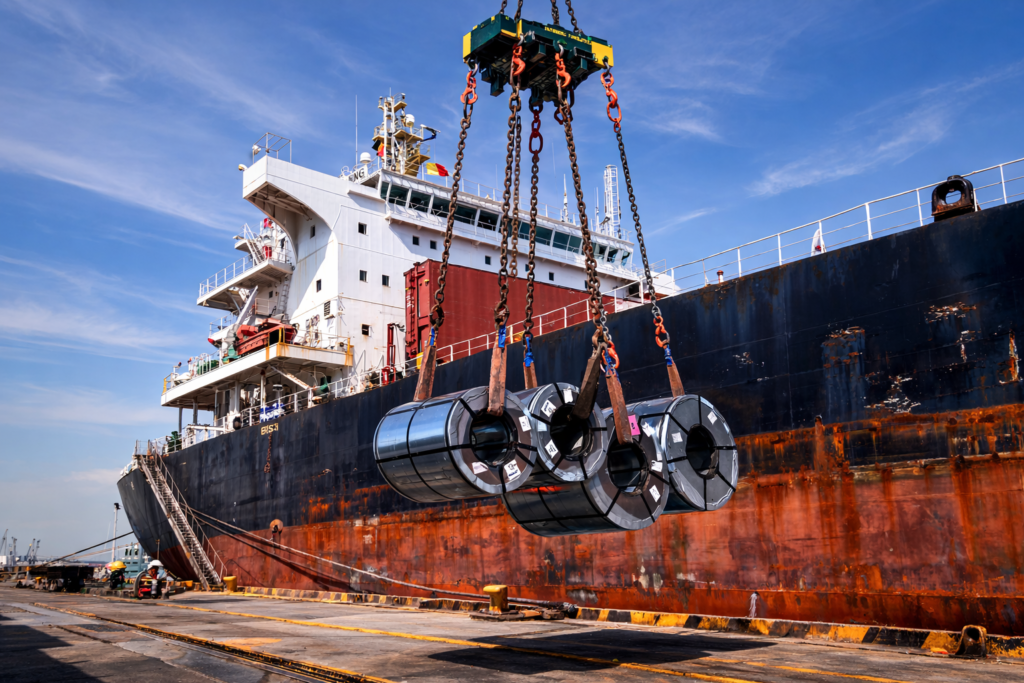
India is recalibrating its steel export strategy as the European Union’s Carbon Border Adjustment Mechanism begins to reshape global trade flows. With nearly two thirds of its steel exports traditionally headed to Europe, Indian producers are now actively exploring alternative markets in the Middle East and Asia to cushion the impact of the new carbon tax regime.
Government sources indicate that discussions are underway to secure trade arrangements with countries witnessing large scale infrastructure expansion, particularly across the Gulf region and emerging Asian economies. The move marks a significant shift in export focus, as Europe has long been a primary destination for Indian steel.
The challenge is substantial. India is the world’s second largest crude steel producer, and any disruption in European demand could affect volumes and pricing dynamics. Industry executives believe competing in non European markets will require policy support, especially in regions where Chinese steel continues to dominate. China’s resilient export performance since 2023 has intensified competition, adding further pressure on Indian mills seeking new buyers.
Alongside market diversification, New Delhi is stepping up efforts to secure critical raw materials. Long term offtake agreements and overseas asset acquisitions are being evaluated for key inputs such as coking coal, limestone and manganese. State run players including SAIL and NMDC are reportedly studying opportunities in Australia, Brazil, Argentina and parts of the Middle East.
Coking coal remains a strategic concern, with nearly 95 percent of India’s requirement met through imports, more than half of which comes from Australia. Strengthening upstream resource security is therefore seen as essential to sustaining export competitiveness.
As global climate regulations tighten, India’s twin strategy of market diversification and resource acquisition signals a proactive approach to safeguarding its steel sector’s growth trajectory.
- Asia steel demand
- Australia coking coal
- Carbon Border Adjustment Mechanism
- China Steel Exports
- coking coal imports India
- Crude Steel Production India
- EU carbon tax
- European Union carbon tax
- global commodity trade
- global steel trade
- India Steel Exports
- Indian government steel policy
- Indian mills exports
- Indian Steel Industry
- Industrial Policy India
- infrastructure growth Middle East
- Middle East steel market
- mining asset acquisition
- NMDC overseas assets
- SAIL expansion plans
- steel export diversification
- steel industry news
- steel market competition
- steel raw material security
- steel sector strategy India




Related Articles
Amaravati Development Unstoppable: Major Construction Works to Be Completed by 2028, Says Naidu
Andhra Pradesh Chief Minister N Chandrababu Naidu said major construction works in...

Prestige Estates launches ₹9,500 crore Golden Grove project in Hyderabad’s Tellapur
Prestige Estates has launched its ₹9,500 crore Golden Grove residential project in...
Land acquisition delays slow progress of Bengaluru Suburban Rail Corridor-4, says Centre
Land acquisition bottlenecks continue to delay Bengaluru’s ambitious suburban rail project, with...



DRA Homes FY26 Growth Story: Chennai Developer Posts Record ₹864 Crore Pre Sales, Eyes Bigger Milestone in FY27
Chennai-based DRA Homes has reported its highest-ever annual performance in FY26 with...

Leave a comment