





Cement Companies Plan ₹75,000 Crore Capacity Expansion Investment Over FY27–28
 Samrita JosephNovember 21, 20261 Mins read
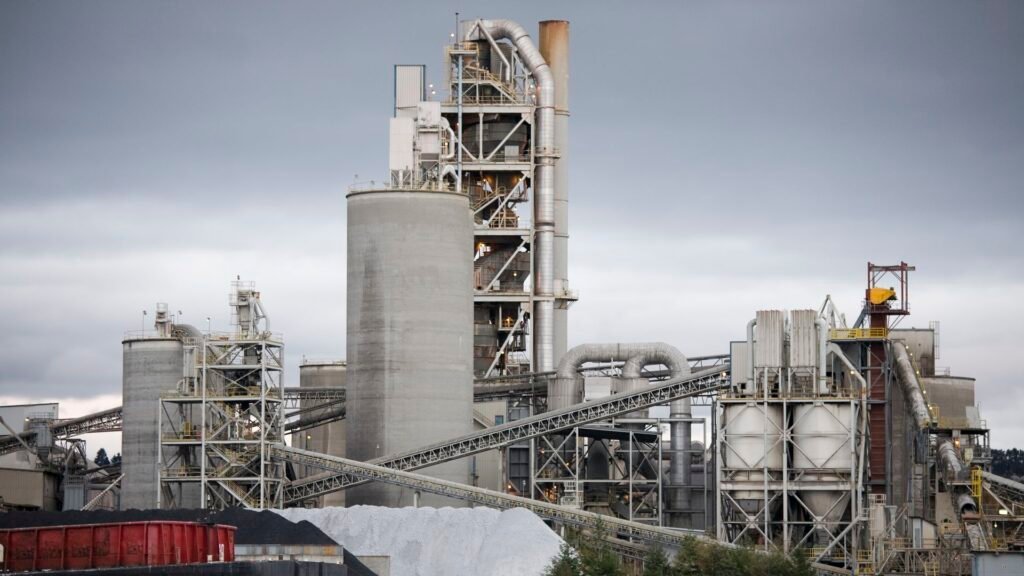
India’s cement industry is preparing for another major capacity expansion cycle, with domestic manufacturers expected to invest around ₹75,000 crore over Financial Years 2026–27 and 2027–28. The proposed investment is expected to increase the industry’s annual production capacity by 110–120 million tonnes, as companies position themselves to meet rising demand across infrastructure, housing and commercial construction.
According to Crisil Ratings, the planned investment will be around 10% higher than the capital expenditure recorded during the preceding two financial years. Cement manufacturers added approximately 84 million tonnes of capacity over that period, taking India’s installed capacity to 718 million tonnes as of March 31, 2026.
The next round of expansion is expected to keep pace with incremental demand. With current capacity utilisation at around 70%, the additional capacity is unlikely to significantly alter utilisation levels, provided demand develops broadly in line with expectations.
Capacity expansion will account for nearly three-fourths of the industry’s planned annual capital expenditure of ₹36,000–38,000 crore across FY27 and FY28, Crisil Ratings director Anand Kulkarni said. Around two-thirds of the proposed additions are expected to come through split grinding units. These facilities allow manufacturers to use existing clinker capacity while locating grinding operations closer to consumption markets.
The remaining investment will be directed towards renewable energy, operational efficiency improvements and routine maintenance. Renewable sources currently meet around 40% of the cement industry’s electricity requirements. Their contribution is expected to increase to nearly 50% by FY28.
However, the expansion comes amid pressure on operating margins. Crisil expects profitability to decline to ₹875–900 per tonne in FY27, compared with approximately ₹980 per tonne in FY26. Higher fuel costs are the primary concern, with petcoke and international coal prices rising around 35% year-on-year on average during the first half of the current fiscal.
Power and fuel expenses, which account for more than a quarter of total costs, have increased by ₹100–125 per tonne. Profitability is expected to recover above ₹970 per tonne in FY28, supported by easing commodity prices, greater renewable energy usage and cost efficiencies.
The investment cycle is also likely to increase borrowing levels. Net debt-to-EBITDA could reach 1.5 times in FY27, before easing to 1.2–1.3 times in FY28 as new capacity begins generating cash flows. The industry’s challenge will be to balance expansion with cost control and sustainable returns.
- blended cement
- cement capacity expansion
- cement capital expenditure
- Cement Demand India
- cement grinding units
- Cement industry growth
- cement industry investment
- cement manufacturers India
- cement manufacturing costs
- cement market India
- cement operating margins
- Cement Plant Expansion
- Cement production capacity
- cement profitability
- coal prices
- CRISIL Ratings
- FY27 cement industry
- FY28 cement industry
- Indian cement industry
- Indian construction industry
- infrastructure development India
- petcoke prices
- renewable energy cement industry
- split grinding units
- ₹75000 crore investment



Related Articles
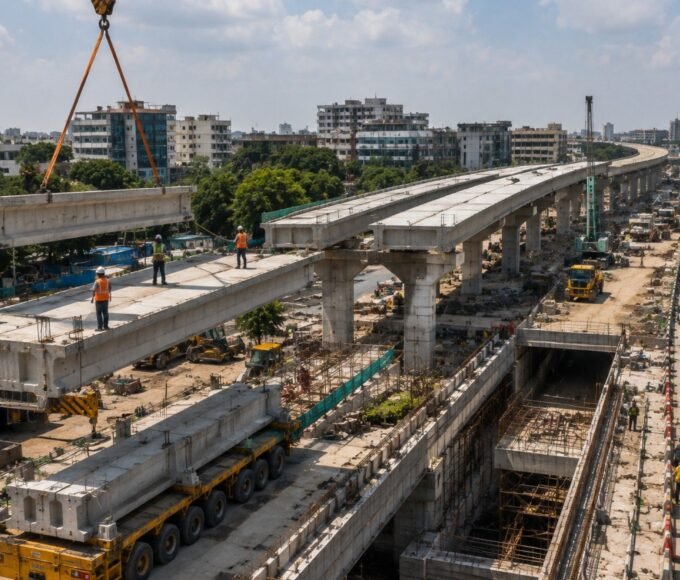
KNR Constructions Targets ₹5,000 Crore in New Orders as Order Book Reaches ₹16,355 Crore
KNR Constructions is targeting ₹4,000–5,000 crore in fresh orders during FY27, supported...
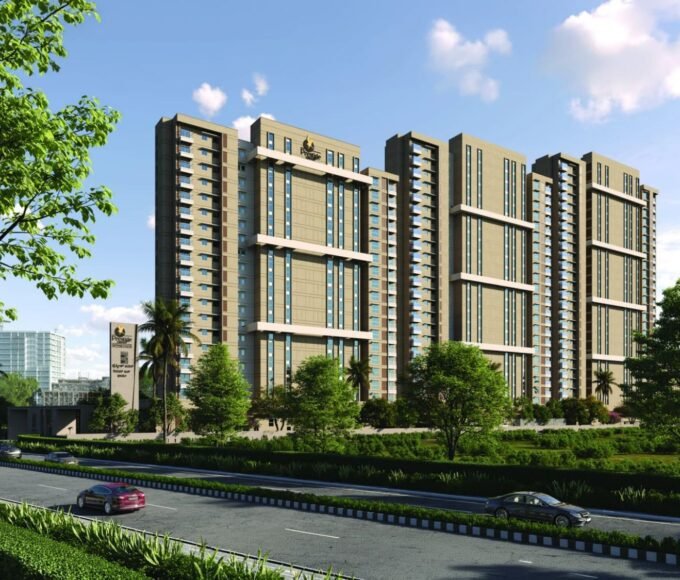
Prestige Estates Launches ₹550 Crore Prestige Avon Project in North Bengaluru
Prestige Estates Projects has launched Prestige Avon on Thanisandra Main Road in...
Tata Steel and ArcelorMittal Eye APL Apollo Tubes in Potential ₹31,818 Crore Acquisition
Tata Steel and ArcelorMittal are reportedly competing to acquire APL Apollo Tubes....


Isha Homes Launches Isha’s Geethanjali, 74 Bali-Themed Premium Residences in Adyar
Isha Homes has launched Isha's Geethanjali, an 11-storey Bali-themed luxury residential project...

Leave a comment