



BIS Steel Norms Disrupt MSME Supply Chains, Imports Stall: GTRI
 Kanmani ChokkalingamAugust 13, 20251 Mins read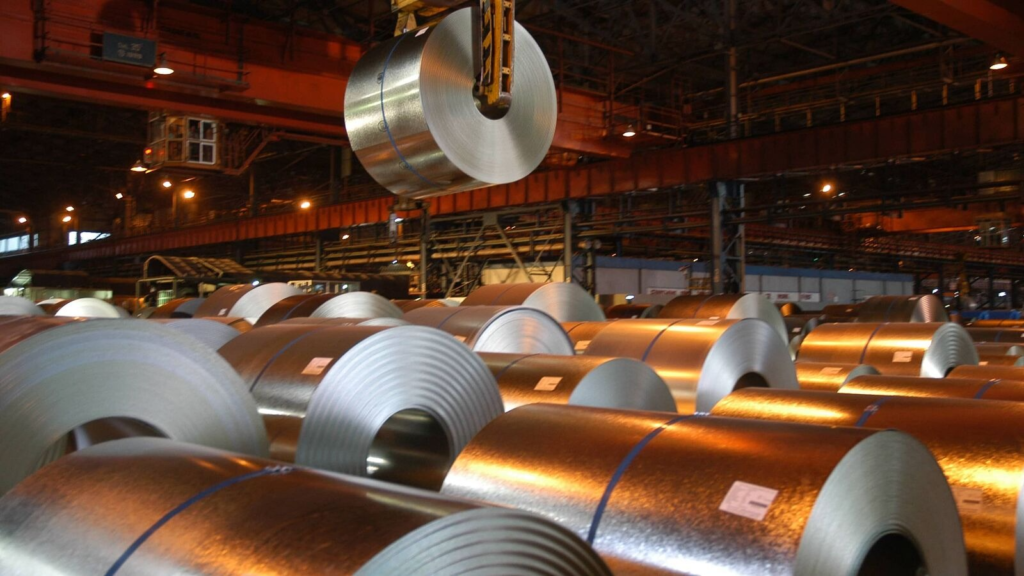
The steel ministry’s decision to extend mandatory Bureau of Indian Standards (BIS) certification to not just finished steel products but also all raw materials used in them has triggered a supply shock for thousands of micro, small and medium enterprises (MSMEs), the Global Trade Research Initiative (GTRI) warned on Tuesday.
The think tank said the June 13 order has effectively halted steel imports, leading to cancelled contracts and sharp increases in input costs for sectors including auto components, construction, capital goods, and precision engineering.
“This move has frozen the supply chain for MSMEs. Import consignments are stuck at ports, demurrage charges are piling up, and global buyers are walking away from contracts,” said GTRI co-founder Ajay Srivastava.
While the Madras High Court initially granted an interim stay on the order, the Supreme Court on July 30 vacated it, sending the case back for a full hearing. In the meantime, the ministry has granted the medical device sector a one-year exemption for certain stainless-steel grades — a concession MSMEs across other industries are now demanding.
India consumes more stainless steel than it produces, forcing manufacturers in multiple sectors to depend on imports. “The shortage is particularly acute for precision engineering, auto, and construction, where specific grades are not available domestically,” Srivastava said.
GTRI noted that major steel-producing economies such as the US, EU, and Japan do not impose separate national certification for raw materials when the final product already meets quality standards. It warned that India’s approach is unique and risks long-term competitiveness.
The immediate fallout, according to the think tank, includes:
- Auto-component makers are facing stalled production schedules.
- Stainless-steel utensil manufacturers are struggling to source material.
- Precision tubing and fastener makers are seeing order cancellations.
Industry representatives fear the extended certification regime could permanently shift export orders to rival countries if not addressed quickly.
“The policy may have been aimed at quality control, but the execution has created a crisis for MSMEs,” Srivastava said. “Without urgent relief, the damage to jobs, exports, and manufacturing capacity will be severe.”
- auto components
- BIS certification
- Buildwatchnews
- capital goods
- Construction Sector
- Demurrage Charges
- export orders loss
- fastener industry
- GTRI
- India Steel Policy
- Indian Steel Industry
- input cost rise
- Madras High Court
- manufacturing slowdown
- MSMEs
- policy impact on MSMEs
- Precision Engineering
- precision tubing
- quality standards compliance
- raw material certification
- stainless steel imports
- stainless steel shortage
- Steel Imports
- steel supply chain disruption
- Supreme Court India
- utensil industry





Related Articles

Sumadhura Group Unveils ₹17,000 Crore Growth Plan Across Bengaluru, Hyderabad and Chennai
Sumadhura Group has unveiled a ₹17,000 crore growth roadmap through Financial Year...
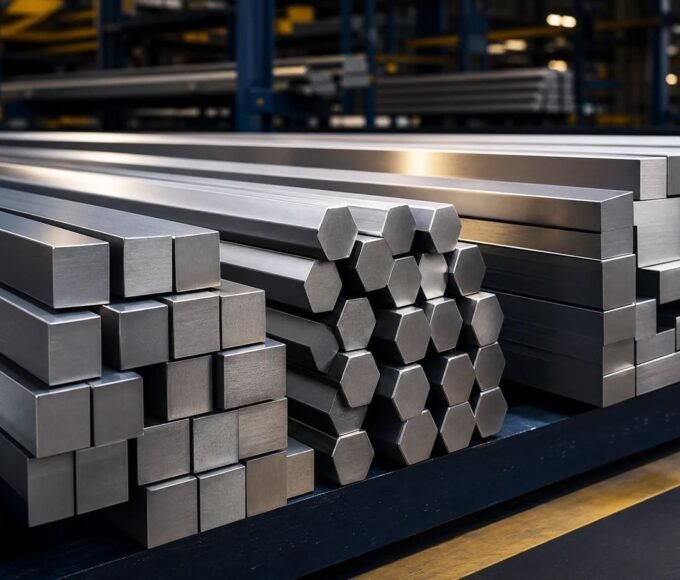
Synergy Advanced Metals Expands Stainless-Steel Portfolio With Cold-Drawn Profiles
Synergy Advanced Metals has expanded its stainless-steel portfolio with cold-drawn hexagonal, square...

Arnya, Casagrand Launch ₹750-Crore Residential Real Estate Fund
Arnya RealEstates Fund Advisors and Casagrand have launched a ₹750-crore Category II...


Tamil Nadu Moves to Acquire Land Near Parandur for New Industrial Park
Tamil Nadu has notified the acquisition of 8.382 hectares at Maduramangalam in...

Leave a comment