


India Plans First 100% Hydrogen-Powered DRI Pilot Plant
 Samrita JosephSeptember 17, 20262 Mins read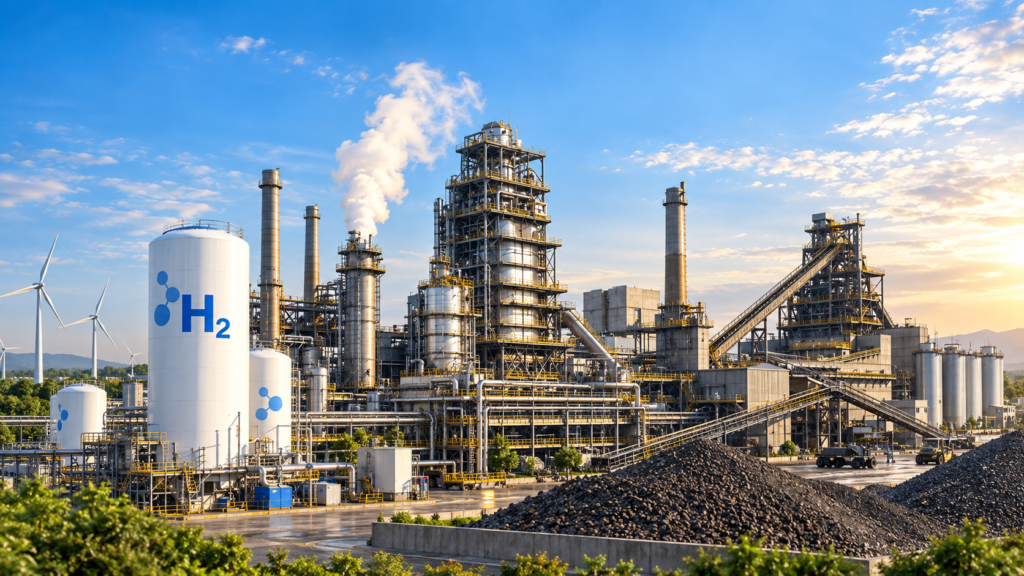
India is moving ahead with a national pilot project to test 100% hydrogen-based ironmaking, with plans to set up the country’s first hydrogen-powered Direct Reduced Iron (DRI) plant at pilot scale.
The project will be led by the CSIR-Institute of Minerals and Materials Technology (CSIR-IMMT) and has received in-principle approval from the Ministry of Steel and the Ministry of New and Renewable Energy. The proposed facility will have a production capacity of 20 tonnes per day and is expected to be completed by August 2029.
The project is estimated to cost ₹207 crore, of which ₹113 crore is expected to come as government support under the National Green Hydrogen Mission. The remaining amount will be contributed by members of the industry consortium supporting the initiative.
The Ministry of Steel has identified 100% hydrogen-based DRI through a vertical shaft furnace as one of the key technology routes under its hydrogen pilot programme for the steel sector.
The consortium led by CSIR-IMMT includes Godavari Power and Ispat, Lloyds Steel, Jindal Stainless and Thyssenkrupp Industries India. Tata Steel has also agreed to join the consortium, while discussions are underway to bring additional steel producers, including SAIL, into the programme.
A major focus of the project will be adapting hydrogen-based DRI technology to Indian iron ore. While several international projects have been designed around higher-grade magnetite, India has significant availability of relatively lower-grade hematite ore. CSIR-IMMT is therefore working on ore-processing and reduction technologies suited to Indian raw materials.
The pilot will use a vertical shaft furnace designed to operate entirely on hydrogen. This distinguishes it from projects where hydrogen is being introduced gradually as a partial replacement for conventional reducing agents.
However, the economics remain a key challenge. Green hydrogen is currently reported at around $5 per kg, while costs closer to $1 per kg could be required for hydrogen-based steelmaking to become commercially competitive. The cost of green steel is also estimated to carry a premium of around $200 per tonne over conventional production.
CSIR-IMMT is developing a smaller 3-tonne-per-day DRI facility using its own resources to study process behaviour before scaling up to the national pilot.
Alongside the 100% hydrogen project, the institute has also received in-principle approval for a ₹20 crore pilot examining the use of up to 30% hydrogen along with biochar in existing rotary-kiln DRI operations.
The 20-tonne-per-day facility will remain a pilot rather than a commercial-scale plant. Its results could provide important operating data on hydrogen-based ironmaking using Indian ore and help determine the technical and economic viability of scaling up the technology.
- 100% hydrogen DRI
- 20 tonne DRI plant
- CSIR IMMT
- direct reduced iron
- DRI pilot plant India
- green hydrogen mission
- green hydrogen steelmaking
- green steel India
- green steel technology
- hydrogen based steelmaking
- hydrogen DRI technology
- hydrogen ironmaking
- hydrogen powered DRI plant
- hydrogen steel pilot project
- hydrogen steel plant India
- hydrogen steel technology
- India hydrogen DRI plant
- Indian iron ore
- Indian Steel Industry
- low carbon steel India
- Ministry of Steel
- National Green Hydrogen Mission
- steel decarbonisation
- Sustainable Steelmaking
- vertical shaft furnace

Related Articles
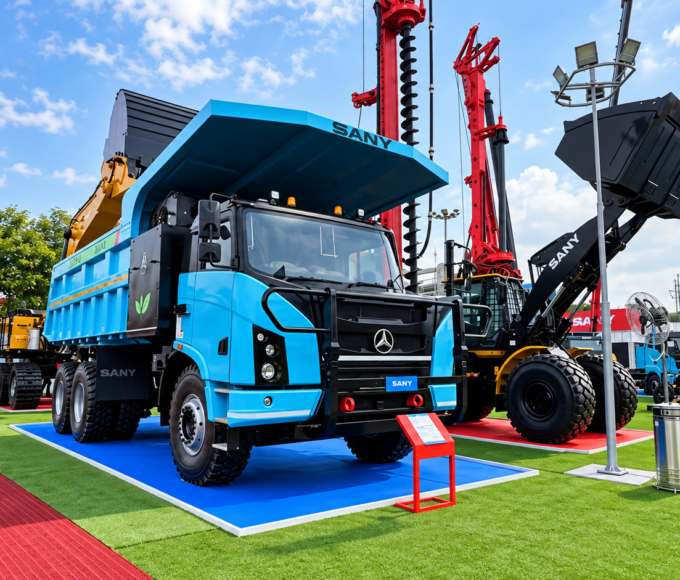
SANY India Unveils 31-Machine Showcase at Bauma CONEXPO India 2026
SANY India has showcased 31 construction and heavy equipment machines at Bauma...
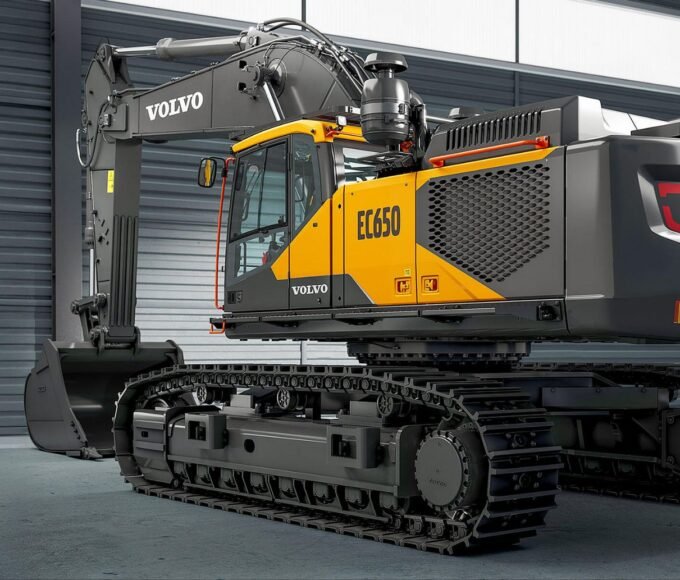
Volvo Construction Equipment India Launches EC650 Excavator for Mining Applications
Volvo Construction Equipment India has launched the 65 tonne EC650 excavator in...

Booking Holdings India Leases 1.11 Lakh Sq Ft Office Space at RMZ Ecoworld Bengaluru
Booking Holdings India, the Indian subsidiary of Booking.com, has leased 111,525 sq...


DRA Acquires 10-Acre Chennai Land Parcel for ₹159 Crore Housing Project
Chennai-based real estate developer DRA has acquired 10 acres near Thazhambur off...

Leave a comment