





Chennai Metro Advances Corridor IV as Porur–Vadapalani Trial Run Signals February Launch
 Samrita JosephJanuary 13, 20261 Mins read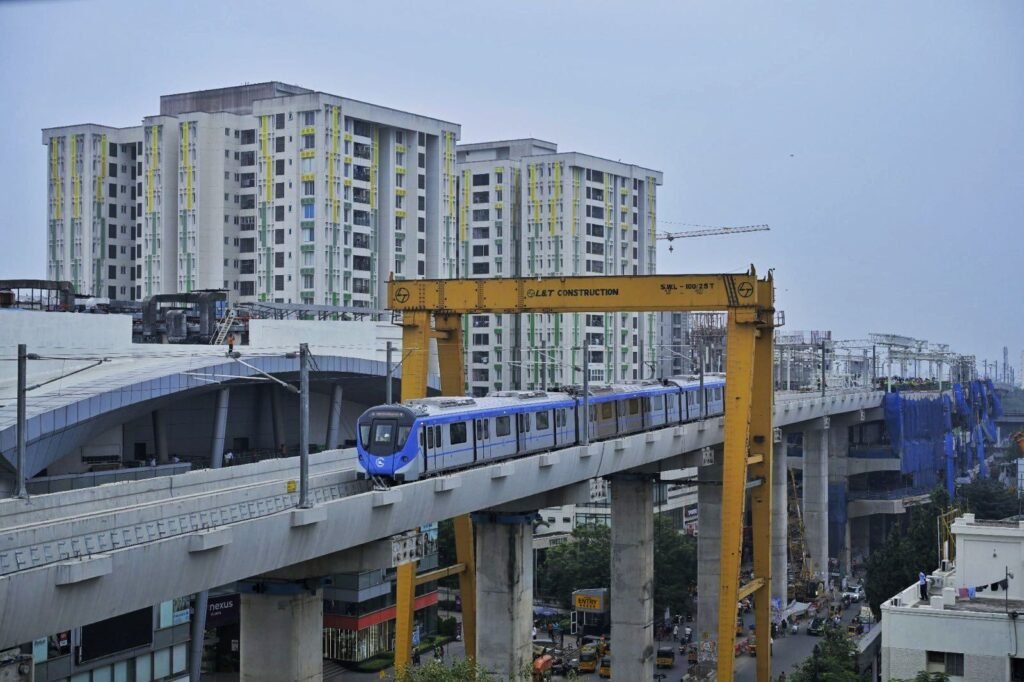
Chennai Metro Rail Limited has taken a decisive step towards expanding rapid transit connectivity in the city with a successful trial run on the Porur–Vadapalani stretch. The test, conducted on January 11, 2026, covered a distance of 5.5 kilometres and included a double-decker viaduct section, highlighting the project’s engineering complexity and urban relevance.
The trial forms part of the ongoing works under Corridor IV, which connects Poonamallee to Light House and is expected to significantly reduce travel time across western and central Chennai. Once operational, commuters travelling between Poonamallee and Vadapalani are likely to complete the journey in around 30 minutes, offering a major alternative to congested arterial roads.
During the test run, the metro train operated at a controlled speed of about 15 kmph, in line with standard safety protocols followed during initial trials. Officials indicated that speeds would be gradually increased to 45–50 kmph in the coming weeks as signalling systems, tracks and power supply undergo further validation. The section between Poonamallee and Porur will function with all scheduled stops, while Vadapalani will serve as the next major station beyond Porur.
Chennai Metro Rail’s managing director stated that the organisation is following a phased approach to commissioning, ensuring all technical and safety requirements are met before passenger services begin. While the initial operations will be driver-operated, the system has been designed for a future transition to driverless technology, aligning with global metro standards.
The Porur–Vadapalani link is strategically important as it integrates residential clusters, commercial hubs and educational institutions along Arcot Road and surrounding areas. Improved metro access is expected to ease pressure on road transport, reduce travel uncertainty during peak hours and support sustainable urban mobility goals.
Subject to final safety clearances from statutory authorities, full passenger services on this stretch could begin by mid-February. Urban planners and real estate stakeholders are closely watching the development, as metro connectivity has historically acted as a catalyst for neighbourhood development, improved property values and higher commercial activity.
With this trial run, Chennai Metro has moved closer to delivering another critical piece of infrastructure that strengthens the city’s long-term transport network and daily commuting experience.
- Chennai commuting
- Chennai construction news
- Chennai development news
- Chennai infrastructure news
- Chennai Metro
- Chennai Metro launch
- Chennai Metro Phase 2
- Chennai Metro Trial Run
- Chennai mobility
- Chennai public transport
- Chennai rail infrastructure
- Chennai Smart City
- Chennai Traffic Solution
- Chennai transport updates
- Chennai Urban Transport
- Corridor IV Chennai Metro
- double decker metro Chennai
- Metro connectivity Chennai
- Metro Rail India
- Porur Metro Station
- Porur Vadapalani Metro
- Tamil Nadu Infrastructure
- Tamil Nadu Metro Projects
- Vadapalani Metro Station
- western Chennai metro






Related Articles

India to Remain Among World’s Fastest-Growing Steel Markets in FY27: India Ratings
India will remain one of the world's fastest-growing steel markets in FY27,...

Godrej Properties Q1 Profit Falls 42% Despite Strong Booking Growth of ₹8,651 Crore
Godrej Properties reported a 42% decline in Q1 FY27 net profit to...
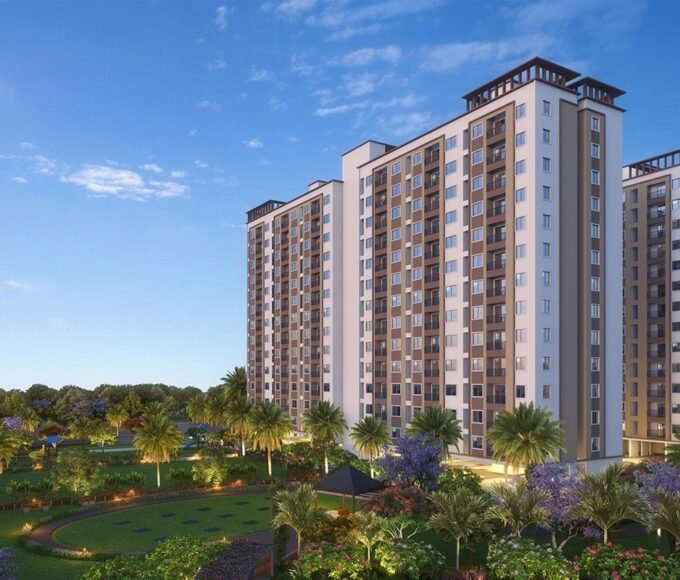
Urbanrise Secures 250+ Home Reservations in Seven Days for Upcoming West Chennai Residential Project
Urbanrise has received more than 250 home reservations within seven days for...



Bengaluru Leads India’s Housing Market as Apartment Sales Reach 1.38 Lakh in H1 2026: JLL
India's residential real estate market remained resilient during the first half of...

Leave a comment