





Railways Introduces 90-Paise GTKM Uniform Tariff to Cut Cement Logistics Cost and Support Affordable Housing
 Samrita JosephNovember 19, 20251 Mins read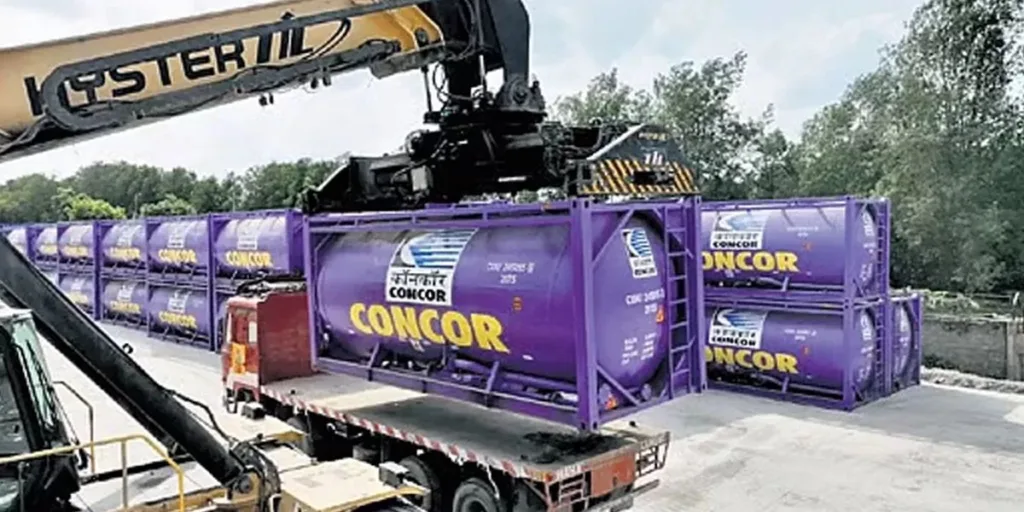
The Indian Railways has introduced a major policy reform aimed at transforming the country’s cement supply chain and reducing the overall cost of home construction. Union Railway Minister Ashwini Vaishnaw announced that a uniform transportation tariff of 90 paise per Gross Tonne-Kilometre (GTKM) will now be applied to bulk cement movement across India. This move replaces the long-standing slab-based rate system and brings greater transparency and cost efficiency to the logistics sector.
Cement forms a significant part of building materials for residential projects, especially for middle-class families constructing homes. According to the minister, transportation charges account for a considerable portion of cement pricing. By standardizing freight charges at 90 paise per GTKM, the Railways aims to reduce logistical expenses, ultimately helping consumers access more affordable cement.
A key element of the reform is the introduction of newly designed tank containers specifically created for bulk cement movement. These specialized containers can be loaded directly at cement manufacturing plants and transported seamlessly to consumption locations across the country. This method not only reduces handling time but also enhances logistical efficiency by minimizing wastage and improving turnaround time.
The minister highlighted that this is one of the most important shifts in Railways’ freight operations in recent years. The uniform rate structure eliminates confusion in cost calculation and enables cement companies to plan production, dispatch routes and unloading terminals with greater clarity. Better planning is expected to reduce supply chain bottlenecks, ensure timely deliveries and help stabilize cement prices.
He also noted that this reform aligns with Prime Minister Narendra Modi’s continued efforts to improve rail infrastructure, streamline operations and enhance transparency. Over the past decade, the Indian Railways has implemented several cost-reduction measures across multiple sectors, and the new cement tariff system represents another significant step in that direction.
With logistics contributing heavily to the final retail price of cement, the new GTKM tariff is expected to benefit millions of homebuyers. By lowering transportation costs, the reform directly supports India’s goal of expanding affordable housing and easing the construction burden on middle-class families.
- Affordable Housing India
- ashwin vaishnaw
- bulk cement movement
- Cement Industry India
- cement logistics
- cement price reduction
- Cement supply chain
- cement transportation cost
- construction sector India
- freight cost reduction
- GTKM rate
- housing affordability
- india rail transport
- Indian Railways update
- Infrastructure news
- logistics efficiency
- logistics reform
- middle class housing
- national logistics policy
- policy reform india
- railway freight policy
- railway tariff change
- railways
- tank container system
- transportation reform india





Related Articles

Puravankara Subsidiary Launches Phase 6 of Provident Equinox in Bengaluru
Puravankara subsidiary Provident Housing has launched Phase 6 of Provident Equinox in...

Ganpati Group Announces ₹2,000 Crore Real Estate and Hotel Expansion
Agra-based Ganpati Group plans around ₹2,000 crore across residential and hotel projects,...

Andhra Pradesh Expands House Site Patta Drive, Moves to Unlock Property Rights for 75 Lakh Families
Andhra Pradesh is expanding its house site patta programme, with pre-2016 allotments...



DAC Developers launches BALMANDAISA on Porur–Poonamallee Main Road in Chennai
DAC Developers has launched BALMANDAISA, a new residential project on the Porur–Poonamallee...

Leave a comment