





Tier 2 & 3 Cities Emerge as India’s Next Real Estate Growth Engines
 Kanmani ChokkalingamAugust 13, 20251 Mins read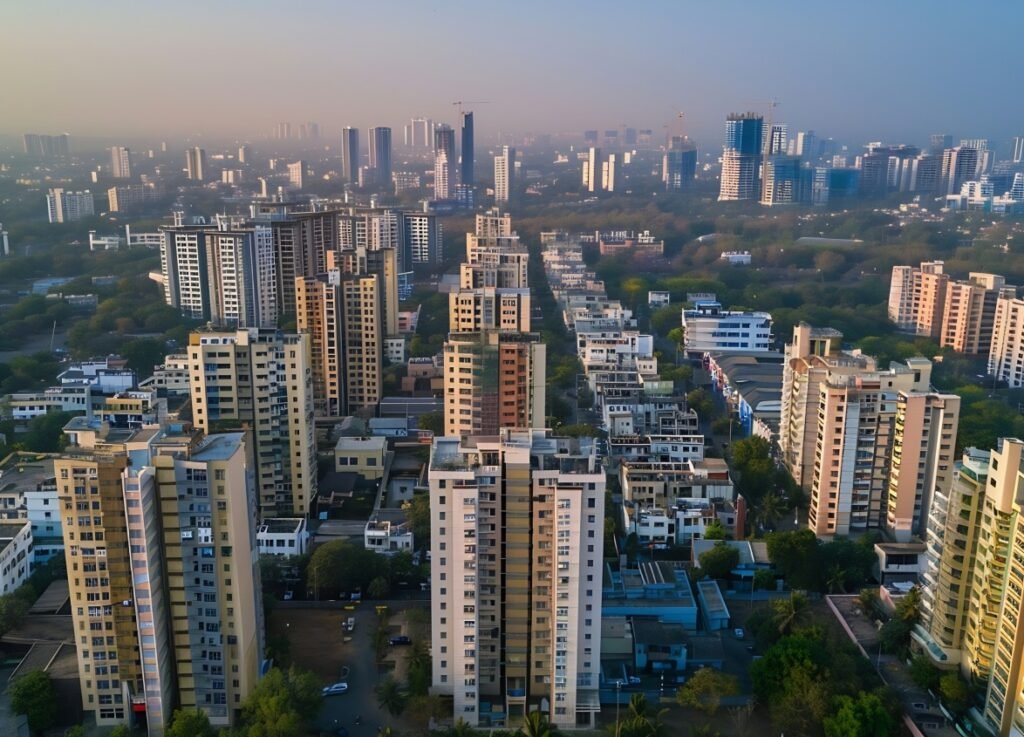
Beyond metropolitan areas, Tier 2 and 3 cities-in particular, Indore, Ahmedabad, Jaipur, Coimbatore, Lucknow, Kochi, Surat and Guwahati-would seem to be the most potent emerging hubs of India’s real estate growth story. Rapid urbanization, logistics corridors such as the Delhi-Mumbai Industrial Corridor, IT/ITeS zones, global capability centers (GCCs) and a vigorous residential and commercial rental market-backed by the PM Gati Shakti programme, hurls this.
Developers would need mandatory statutory approvals, such as land-use conversion, building plan clearance, approvals from fire, pollution and airport authorities, and registrations under the Real Estate (Regulation and Development) Act, 2016 (RERA), if applicable to projects in such cities. Such safeguards ensure financing, stop work amid construction, and instill investor confidence. Experts have suggested extending basic transparency and completion standards to smaller projects even outside RERA’s ambit through empowered municipal bodies.
Government reform is dashing the process on. DILRMP worth ₹875 crore in the Union Budget 2021-22, digitised more than 99% of the land records and seventy per cent of the cadastral maps. Hidden title risks have decreased with this. Some of the states that have already adopted the Model Tenancy Act, 2021, which would formalise the rental markets, include Uttar Pradesh, Tamil Nadu, Andhra Pradesh, and Assam. Incentives such as production-linked benefits, plug-and-play infrastructure, subsidised land leases, and single-window approvals apply to states that attract GCCs.
Rising demand for data centers, logistics hubs, and warehouses is driving beyond housing and office locations. E-commerce, technology expansion, and growth in supply chain create such jobs in the locality and improve migration to metropolises, thus relieving pressure on Tier I infrastructure.
Yet it is not entirely smooth sailing. The variance in zoning norms, floor area ratio limitations, parking rules, and land-use permissions complicates the matter across and within the states. Especially hurtful to viability are multiple fragmentations in approvals that delay projects and increase the rain tax as well. Understaffing of authorities limits the speedy disposal of complaints under RERA as well.
Policy experts explain that harmonising local regulations, digitising approvals, rationalising stamp duties, and integrating land and property systems, such as in Gujarat’s GARVI portal, can unlock growth. Tier-2 and Tier-3 cities with improved infrastructure, coupled with a mindset to do business, are set to surpass their other peers as India’s next real estate frontier and provide developers with rich growth opportunities.
- Ahmedabad real estate
- Buildwatchnews
- Coimbatore real estate news
- data centre demand India
- Delhi Mumbai Industrial Corridor impact
- DILRMP land records
- emerging real estate hubs
- GCC incentives India
- Guwahati real estate
- India real estate growth
- Indian property approvals
- Indore property market
- Jaipur property growth
- Kochi real estate
- logistics hubs India
- Lucknow property trends
- Model Tenancy Act India
- PM Gati Shakti real estate
- real estate challenges India
- RERA Compliance
- Surat property investment
- Tier 2 cities India
- Tier 3 cities India
- warehousing growth India
- zoning norms India






Related Articles
India Could Export Up to 1.64 Million Tonnes of Steel Annually to EU Under Proposed FTA
India could export up to 1.64 million tonnes of steel annually to...
Bengaluru, Hyderabad, Chennai Account for 62% of Listed REIT Office Space
Bengaluru, Hyderabad and Chennai account for 62% of office space held by...

Tamil Nadu Secures ₹12,300 Crore Investment Commitments During UK Visit
Tamil Nadu has secured ₹12,300 crore in investment commitments during its UK...


Leave a comment