




West Asia conflict pushes steel, aluminium prices up 20–25%, raises construction cost concerns
 Samrita JosephApril 4, 20261 Mins read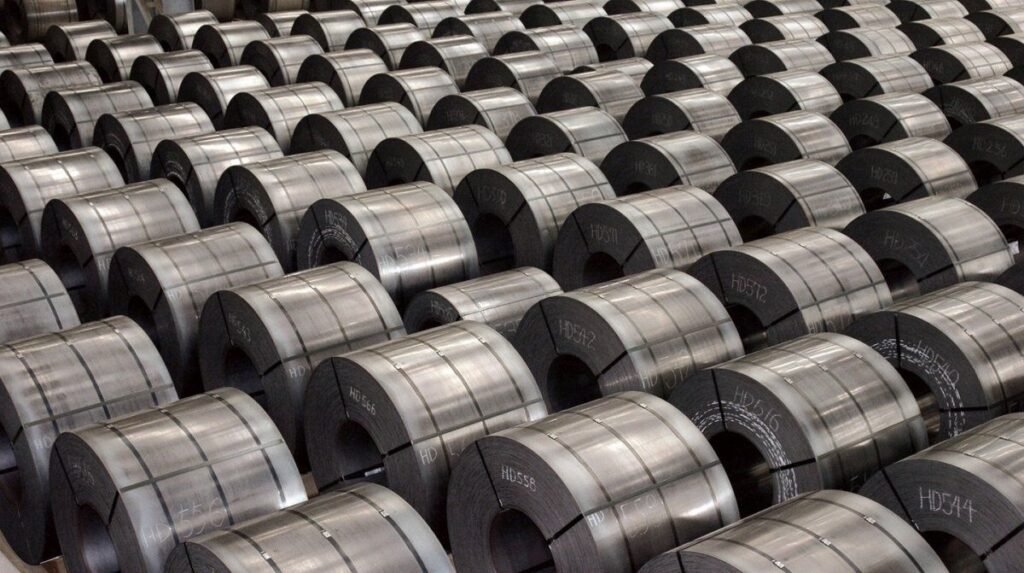
The prolonged conflict in Iran has begun to significantly impact India’s construction, infrastructure and real estate sectors, with key raw material prices witnessing a sharp rise over the past month. According to industry estimates and reports by The New Indian Express (TNIE), steel and aluminium prices have increased by 20–25%, creating fresh cost pressures for developers, contractors and infrastructure companies.
Steel prices have climbed from around ₹51,000 per tonne to ₹62,000 per tonne, while aluminium prices have increased from ₹290 per kg to ₹376 per kg. Industry executives say the sharp escalation is being driven by supply disruptions from the Gulf, higher ocean freight charges and rising fuel-linked raw material costs.
Contractors are also facing logistics challenges in sourcing products from West Asia after the US and Israel launched military operations against Iran. Imports of critical inputs such as limestone from UAE and Oman have reportedly declined significantly, affecting steel and cement-linked industries.
According to market sources, South African thermal coal prices have risen 12–15%, while Indonesian coal is up 16–18%. In addition, premium hard coking coal prices have surged to 13-month highs above $207 per tonne FOB, while ocean freight rates have jumped by nearly 40%, sharply increasing landed costs.
Industry participants now expect a further 10–15% rise in input costs in the near term, over and above the existing price increase seen in the last month.
Construction companies are also seeing increases in secondary materials such as gypsum and melamine, which have risen by nearly 17–18%. These are widely used in finishing works, laminate production and interior applications, further adding to project cost escalation.
If the conflict continues, industry estimates suggest steel prices could rise further to around ₹63,500–₹64,500 per tonne in the coming weeks. This comes at a time when India’s steel production remains strong, with the country producing 14.27 million tonnes of crude steel in January 2026, marking a 4.1% year-on-year growth.
Developers say procurement has become increasingly challenging due to limited access to imported aluminium components and strong demand for specialised coatings and structural materials.
The continued volatility in global commodity and freight markets is expected to keep pressure on infrastructure project costs, tender pricing and construction timelines through the coming quarters.n.
- aluminium cost rise
- aluminium prices India
- Build Watch News
- Building Materials
- commodity prices
- construction industry India
- construction material cost
- freight cost increase
- Global Supply Chain
- Gulf supply disruption
- India Construction News
- industrial metals
- Infrastructure Projects
- infrastructure sector India
- Iran war impact
- logistics disruption
- Metal prices
- project cost escalation
- raw material inflation
- real estate costs
- steel market India
- steel price hike
- Steel Prices India
- thermal coal prices
- West Asia conflict


Related Articles
DRA Homes FY26 Growth Story: Chennai Developer Posts Record ₹864 Crore Pre Sales, Eyes Bigger Milestone in FY27
Chennai-based DRA Homes has reported its highest-ever annual performance in FY26 with...
Tata Steel partners with University of Science and Technology Beijing to accelerate low-carbon steelmaking innovation
Tata Steel has signed an MoU with the University of Science and...
Cement companies plan price hike from April 5 as fuel costs surge
India’s cement manufacturers are preparing to raise prices from April 5 as...



Thiruvananthapuram’s Neopolis IT Township Project Faces Delay Amid Centre’s Scheme Review
The proposed Neopolis IT township project in Thiruvananthapuram is likely to face...

Leave a comment