




South and West Chennai Set to Lead Residential Growth in 2026: CREDAI Chennai
 Samrita JosephJanuary 3, 20261 Mins read
South and West Chennai are poised to continue as the city’s most active residential growth corridors in 2026, driven by infrastructure-led development, expanding metro connectivity, and sustained end-user demand, according to CREDAI Chennai.
Industry leaders point to the ongoing expansion of the Chennai Metro network as a key catalyst shaping homebuyer preferences. Improved connectivity through projects such as Chennai Metro Corridor 4, along with the upcoming Kuthambakkam bus terminus, has already increased residential interest across western suburbs. These developments are enhancing last-mile access to employment hubs, making locations in West Chennai more attractive for both developers and buyers.
South Chennai, meanwhile, continues to benefit from its proximity to IT and commercial clusters along OMR and GST Road. Areas such as Porur–Poonamallee Road, Radial Road, and emerging western pockets are witnessing strong traction, reflecting a clear preference for well-connected residential locations with access to social infrastructure. According to CREDAI data, housing sales in Chennai are expected to cross 15,000 units in 2025, marking an 18 percent increase over the previous year, even as price movements remained largely stable.
The city also saw a notable rise in new project launches during 2025. Around 26,482 residential units were launched across nearly 250 projects until October, with full-year launches projected to be about 20 percent higher than in 2024. This steady supply pipeline, combined with consistent sales momentum, indicates a resilient residential market despite broader economic uncertainties.
Beyond South and West Chennai, developers see potential for redevelopment-led growth in Central and North Chennai. Greater regulatory clarity, particularly around the Tamil Nadu Apartment Ownership Act, is expected to unlock redevelopment opportunities and attract more homebuyers to older urban pockets.
CREDAI Chennai has also highlighted the need for policy support to strengthen the affordable housing segment. Aligning registration and stamp duty charges for PMAY-U 2.0 homes below 60 square metres with national norms, along with recognising compact and studio homes as habitable units, could widen access to homeownership for working professionals and smaller households.
Looking ahead, expectations of RBI repo rate cuts, GST rationalisation on select construction materials, and continued infrastructure investment are likely to support affordability and buyer sentiment in 2026. With metro-led growth and planned urban expansion shaping demand, Chennai’s residential market appears well-positioned for steady, sustainable growth.
- affordable housing Chennai
- Central Chennai housing
- Chennai home sales
- Chennai housing demand 2026
- Chennai infrastructure growth
- Chennai Metro Expansion
- Chennai property launches
- Chennai real estate growth
- CREDAI Chennai
- GST on construction materials
- GST Road property market
- housing market outlook 2026
- Indian residential real estate
- Metro connectivity real estate
- North Chennai redevelopment
- OMR real estate
- PMAY U 2.0 housing
- Porur Poonamallee Road projects
- Radial Road real estate
- RBI rate cut impact real estate
- redevelopment Chennai
- residential corridors Chennai
- South Chennai housing
- Tamil Nadu housing market
- West Chennai residential market





Related Articles
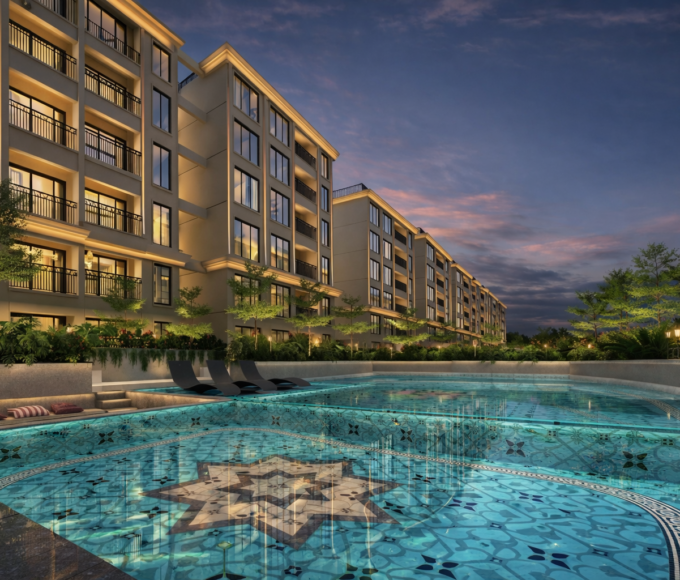
Casagrand Launches ‘Ascentia’ Residential Project in Coimbatore’s Saravanampatti
Casagrand Premier Builder has launched Casagrand Ascentia in Saravanampatti, Coimbatore, a 238-home...
Saint-Gobain Opens India’s First Near-Net Zero Gypsum Ceiling Tiles Plant in Visakhapatnam
Saint-Gobain India’s Gyproc business has commissioned India’s first near-net zero gypsum ceiling...
KG Builders Launches Two Plotted Residential Projects in Western Chennai
Chennai-based KG Builders has launched two plotted residential communities in Kuthambakkam and...


Hyderabad Plans ₹7,000 Crore Musi Riverfront Development Phase I
Hyderabad will develop a 21 km stretch of the Musi River under...

Leave a comment