


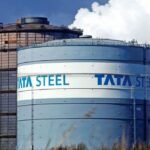


LPG Supply Disruptions Impact Operations at RINL-Visakhapatnam Steel Plant
 Samrita JosephMarch 19, 20261 Mins read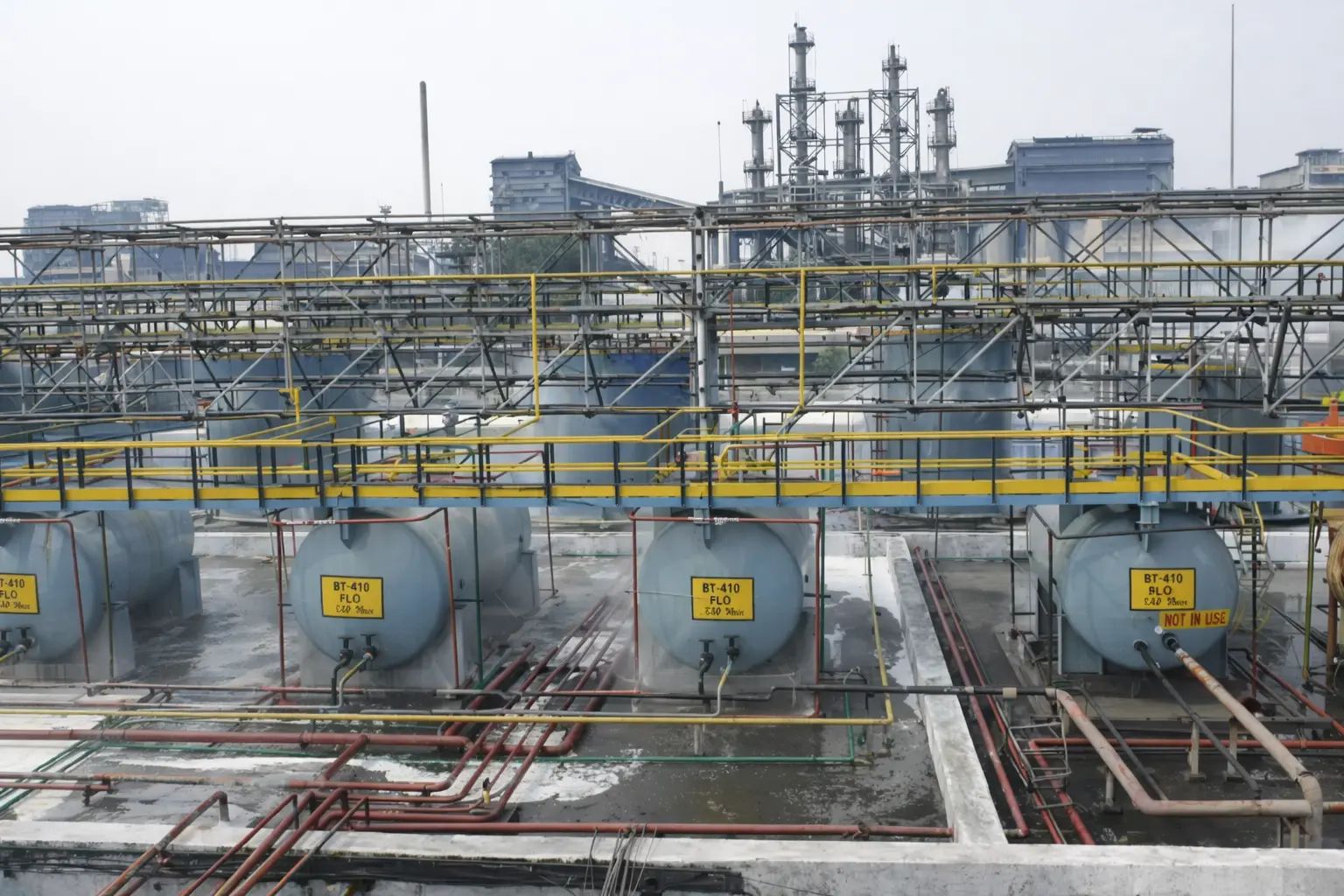
India’s steel sector is beginning to feel the ripple effects of global geopolitical tensions, with Liquefied Petroleum Gas supply disruptions impacting operations at the RINL-Visakhapatnam Steel Plant. The development comes at a time when concerns over LPG availability are rising across both industrial and domestic segments due to ongoing instability in West Asia.
RINL, a major public sector steel producer, relies heavily on LPG for critical operations within its Steel Melting Shop. The plant requires around 12 to 13 tonnes of LPG daily to operate its Continuous Casting Machines, where high-temperature steel blooms are processed and cut with precision. Unlike conventional cutting methods, these processes demand specialised LPG-based oxy-fuel systems to handle extreme heat and thickness.
Recent supply disruptions led to a sharp decline in LPG inventory at the plant, with stock levels reportedly falling to nearly 75 tonnes. This created operational uncertainty and raised concerns about potential disruptions in production schedules. The situation prompted urgent intervention from plant management and trade unions, who engaged with suppliers to restore normal supply.
Relief came as Indian Oil Corporation resumed LPG deliveries, dispatching tankers to the plant over consecutive days. This has helped stabilise operations, though industry observers note that the incident underscores the vulnerability of industrial fuel supply chains to global events.
The role of LPG in steel manufacturing is both technical and essential. In oxy-fuel cutting, LPG acts as the primary fuel to generate a high-temperature flame, while oxygen is used to oxidise and cut through molten steel. This method ensures accuracy and efficiency, particularly for large and fast-moving steel sections that cannot be processed using mechanical tools.
Experts point out that while alternative fuels exist, LPG remains a preferred choice due to its stability, safety and cost-effectiveness compared to other gases. However, the current situation highlights the need for diversified energy sourcing and improved supply resilience in the steel sector.
As India continues to scale up infrastructure and manufacturing, ensuring uninterrupted fuel supply will remain critical to sustaining industrial productivity and growth.
- energy crisis steel industry
- energy supply chain India
- fuel shortage impact industry
- global energy impact India industry
- India manufacturing challenges
- Indian Oil Corporation LPG supply
- Indian PSU steel company
- Indian Steel Sector News
- industrial fuel crisis India
- industrial gas supply India
- infrastructure steel demand India
- IOCL LPG supply
- LPG in steel manufacturing
- LPG shortage India steel
- LPG supply disruption India
- oxy fuel cutting steel
- RINL Visakhapatnam Steel Plant
- sponge iron and steel sector
- steel industry fuel dependency
- Steel Industry Updates
- steel melting shop process
- steel plant operations India
- steel production challenges India
- steel production India news
- Visakhapatnam Steel Plant operations



Related Articles

Godrej Properties Expands Bengaluru Presence with 20-Acre Land Acquisition Near Whitefield
Godrej Properties acquires 20 acres near Whitefield, Bengaluru, for a residential project...
TCS Expands Chennai Presence with 1.47 Lakh Sq Ft Lease at OMR, Total Footprint Nears 7.8 Lakh Sq Ft
TCS strengthens its Chennai footprint with a fresh 1.47 lakh sq ft...

US Bancorp Eyes Major Chennai GCC with 6.5 Lakh Sq Ft Office Lease
US Bancorp plans a 6.5 lakh sq ft office lease in Chennai...


Naidupeta Emerges as a Key Industrial and Real Estate Growth Hub in Andhra Pradesh
After years of inactivity, Naidupeta in Andhra Pradesh is witnessing rapid industrial...

Leave a comment