




JK Cement Flags Rising Input Costs from May; Demand Outlook Remains Stable
 Samrita JosephMarch 17, 20261 Mins read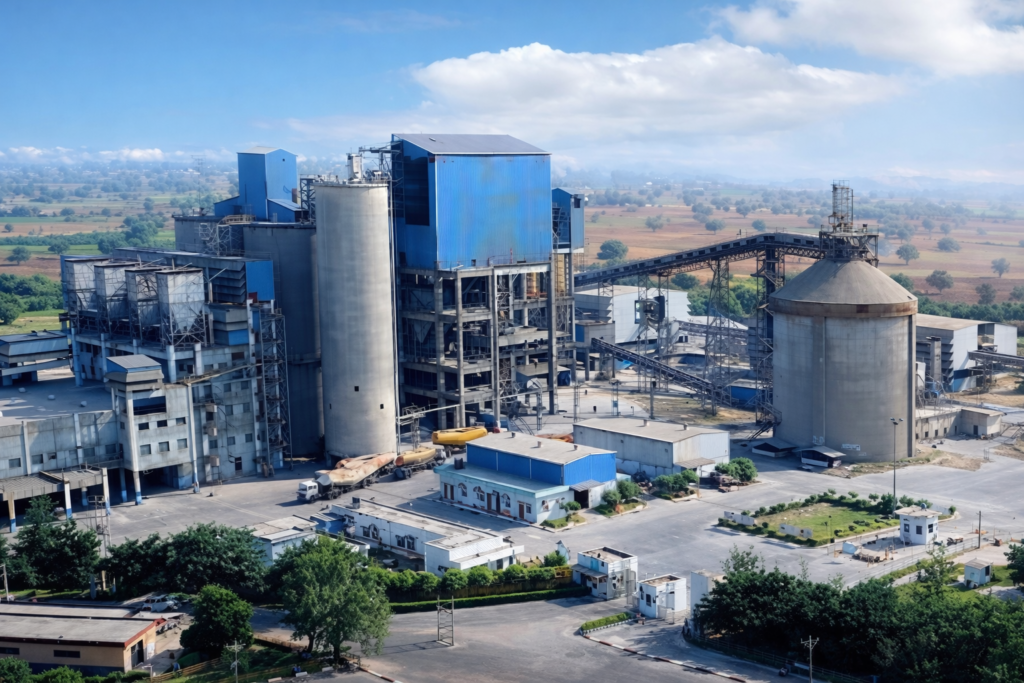
India’s cement sector is likely to witness fresh cost pressures in the coming months, with JK Cement indicating a noticeable rise in input costs beginning May 2026. The company has highlighted that increasing prices of key raw materials such as petcoke, coal and packaging materials could push production costs higher, impacting overall margins.
According to the company’s management, the combined impact of rising fuel and packaging costs could increase expenses by around ₹225 to ₹250 per tonne. While the current quarter remains relatively insulated due to lower-cost inventory, the pressure is expected to reflect from the second half of the April to June quarter.
Fuel remains a significant cost component for cement manufacturers, and any fluctuation in global energy prices directly affects profitability. The recent surge in petcoke and coal prices, driven by geopolitical uncertainties and supply disruptions, has added to the cost burden across the industry. In addition, packaging costs have also increased due to higher prices of polypropylene, further intensifying cost pressures.
Despite these challenges, JK Cement has maintained that demand conditions remain stable across most regions. The company noted that while there has been slight softness in March due to seasonal factors, overall quarterly demand is expected to remain strong, supported by infrastructure activity and steady construction demand.
Industry trends indicate that cement demand continues to be driven by government-led infrastructure projects, housing development and urban expansion. Even as input costs rise, the ability of companies to pass on these costs through price adjustments will play a crucial role in maintaining profitability.
Looking ahead, the cement sector is expected to closely monitor global energy trends and domestic demand conditions. While cost pressures may impact margins in the near term, sustained demand growth is likely to support the industry’s long-term outlook.
As infrastructure development continues to gain momentum across India, cement demand is expected to remain resilient, positioning the sector for steady growth despite short-term cost challenges.
- building materials India
- cement companies India performance
- cement demand India 2026
- cement industry analysis India
- cement industry challenges India
- Cement Industry India
- cement manufacturing India
- cement market trends India
- cement price outlook India
- cement production cost India
- cement sector margins India
- coal price cement industry
- construction demand India cement
- fuel cost impact cement
- India cement market outlook
- Indian cement companies news
- Indian construction sector growth
- infrastructure growth cement demand
- infrastructure projects cement demand
- JK Cement cost increase
- JK Cement news
- packaging cost cement industry
- petcoke price impact cement
- polypropylene bags cement
- real estate demand cement



Related Articles

West Asia Tensions Push Up Energy Costs for India’s Stainless Steel Industry
Rising geopolitical tensions in West Asia are disrupting gas supplies and increasing...
Gas Shortage Disrupts JSW Steel Operations, Raises Industry Concerns
Gas shortages triggered by Middle East disruptions are impacting JSW Steel operations,...

ESIC Invites Bids for ₹152 Crore Hospital Project in Karnataka
ESIC has invited bids for PMC services for a ₹152 crore hospital...



Finolex Cables Targets ₹1,000 Crore Revenue in Tamil Nadu Amid Rising Input Costs
Finolex Cables aims to achieve ₹1,000 crore revenue in Tamil Nadu, driven...

Leave a comment