





Railways Tightens Contractor Norms to Improve Project Execution and Accountability
 Samrita JosephMarch 25, 20261 Mins read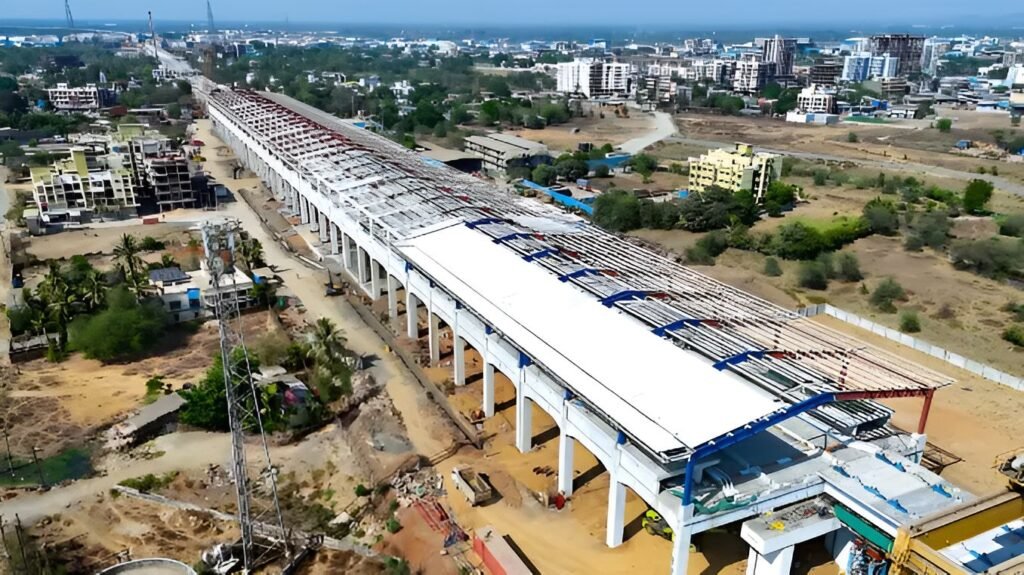
In a significant policy shift aimed at improving execution quality and reducing project delays, the Ministry of Railways has tightened contractor eligibility norms for infrastructure works across India. The move is expected to filter out non-serious players and ensure that only capable and experienced firms participate in large-scale railway projects.
One of the key changes includes increasing the benchmark for assessing contractor capability. Companies must now demonstrate experience equivalent to at least 50 percent of the project value through a single completed project, up from the earlier 35 percent threshold. This step is intended to ensure that only firms with proven capacity to handle large and complex projects are eligible to bid.
Additionally, the ministry has mandated that at least 20 percent of a contractor’s prior experience must be in railway-related work. This recognises the technical complexities unique to railway infrastructure, which differ significantly from highways, ports, or airport projects.
To enhance accountability, the permissible subcontracting limit has been reduced from 70 percent to 40 percent. Contractors will now be required to directly execute a minimum of 60 percent of the work under their supervision. This measure is expected to curb the practice of firms outsourcing large portions of projects after securing contracts.
The ministry has also introduced stricter financial safeguards. Bid security has been fixed at 2 percent of the project value to discourage non-serious or speculative bidding. For projects above ₹10 crore, mandatory assessment of bid capacity will now be enforced, ensuring financial and technical preparedness of bidders.
These reforms come in response to past challenges where contractors struggled with execution, leading to delays in key projects such as dedicated freight corridors. By strengthening pre-qualification norms and introducing stricter compliance requirements, the Railways aims to improve project timelines and overall efficiency.
Beyond construction reforms, the ministry has also introduced passenger-friendly measures such as allowing digital changes to boarding stations up to 30 minutes before departure and revising ticket cancellation windows.
Overall, these measures reflect a broader push to enhance transparency, accountability, and performance in India’s railway infrastructure development.
- bid security railway projects
- construction bidding norms India
- construction industry India news
- construction sector reforms India
- contractor eligibility norms
- engineering contracts India
- India logistics infrastructure
- Indian Railways news
- Indian Railways policy changes
- Indian Railways reforms
- Indian transport infrastructure
- infrastructure development India
- infrastructure execution India
- infrastructure policy India
- project management railways India
- public infrastructure reforms India
- railway contractor norms India
- railway contracts India
- railway infrastructure India news
- railway project delays India
- railway sector growth India
- railway sector updates India
- railways project execution reforms
- railways tender rules India
- subcontracting limits India




Related Articles

Dalmia Cement to Acquire Stake in Wind Power Project in Tamil Nadu
Dalmia Cement plans to acquire a 26% stake in Ventora Energy to...
Hyderabad Plans ₹941 Crore Double-Decker Corridor to Ease NH-65 Traffic
Telangana government plans a ₹941 crore double-decker elevated corridor from LB Nagar...


Construction Costs Set to Rise 3–5% in 2026 Amid Labour and Input Cost Pressures
Construction costs in India are expected to increase by 3–5% in 2026,...

Construction Costs Set to Rise 3–5% in 2026 Amid Labour and Input Cost Pressures
Construction costs in India are expected to increase by 3–5% in 2026,...

Leave a comment