



India Imposes Five-Year Anti-Dumping Duty on Vietnamese Hot-Rolled Steel to Protect Domestic Market
 Samrita JosephNovember 13, 20251 Mins read
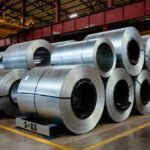
India has announced a five-year anti-dumping duty on hot-rolled flat steel products imported from Vietnam, marking a significant step aimed at stabilizing the domestic steel market and preventing unfair pricing pressure on local producers. The decision follows a detailed investigation by the Directorate General of Trade Remedies, which confirmed that certain Vietnamese steel suppliers were exporting the product to India at prices below its normal value.
According to the Finance Ministry’s notification, these underpriced imports were causing material injury to India’s steel industry, which has been facing consistent pricing stress due to aggressive global competition. The DGTR report noted that the low-priced shipments posed both current injury and a threat of further harm if left unaddressed, prompting the government to act decisively.
Under the newly imposed measure, most Vietnamese producers and exporters will now face an anti-dumping duty of 121.55 dollars per metric tonne on the specified hot-rolled flat steel products. These products fall under various tariff categories, typically used across construction, automotive, energy, and heavy engineering sectors. The tariff applies to alloy and non-alloy varieties that are not clad, plated, or coated.
However, one major Vietnamese mill, Hoa Phat Dung Quat Steel JSC, has been exempted from the levy after the investigation found no evidence of dumping in its shipments. All other producers, including non-Vietnamese manufacturers exporting the product through Vietnam, will be subject to the same duty.
The Ministry stated that the tariff will remain effective for five years from the date of publication, unless modified earlier. The duty is payable in Indian currency, calculated based on the exchange rate applicable on the date of filing the bill of entry.
Industry experts believe the move will offer relief to Indian steelmakers who have been battling fluctuating input costs and aggressive import pricing. With the domestic sector projected to grow steadily in infrastructure, urban development, and manufacturing, the protection measure is expected to help maintain a fair competitive environment and support long-term industrial stability.
- alloy steel imports
- anti-dumping duty
- construction materials india
- DGTR findings
- domestic producers protection
- Finance Ministry notification
- hot rolled flat steel
- HR steel products
- import regulation India
- India steel industry
- Indian infrastructure sector
- Indian Manufacturing Sector
- Indian Steel Market
- Industrial Policy India
- international trade measures
- market protection measures
- metal industry India
- non-alloy steel
- steel import duty India
- steel sector news
- steel tariff India
- tariff on steel
- trade remedies India
- Vietnam Steel Imports
- Vietnamese exporters





Related Articles

Hapag-Lloyd Plans ₹20,000 Crore Investment to Boost India’s Ports and Logistics Sector
Hapag-Lloyd plans to invest up to ₹20,000 crore in India across port...
Andhra Pradesh Allots 424 Acres for JSW Steel Plant in Kadapa
Andhra Pradesh has allotted 424 acres in Kadapa for JSW Steel’s integrated...

Green Steel Mandate Could Unlock 16 MTPA Demand by FY2030: CII Study
A CII report highlights that mandating green steel in public procurement can...



Sundaram Home Finance Expands Affordable Housing Presence in Puducherry
Sundaram Home Finance has entered Puducherry’s affordable housing market, targeting ₹10 crore...

Leave a comment