




Construction Costs Set to Rise 3–5% in 2026 Amid Labour and Input Cost Pressures
 Samrita JosephMarch 25, 20261 Mins read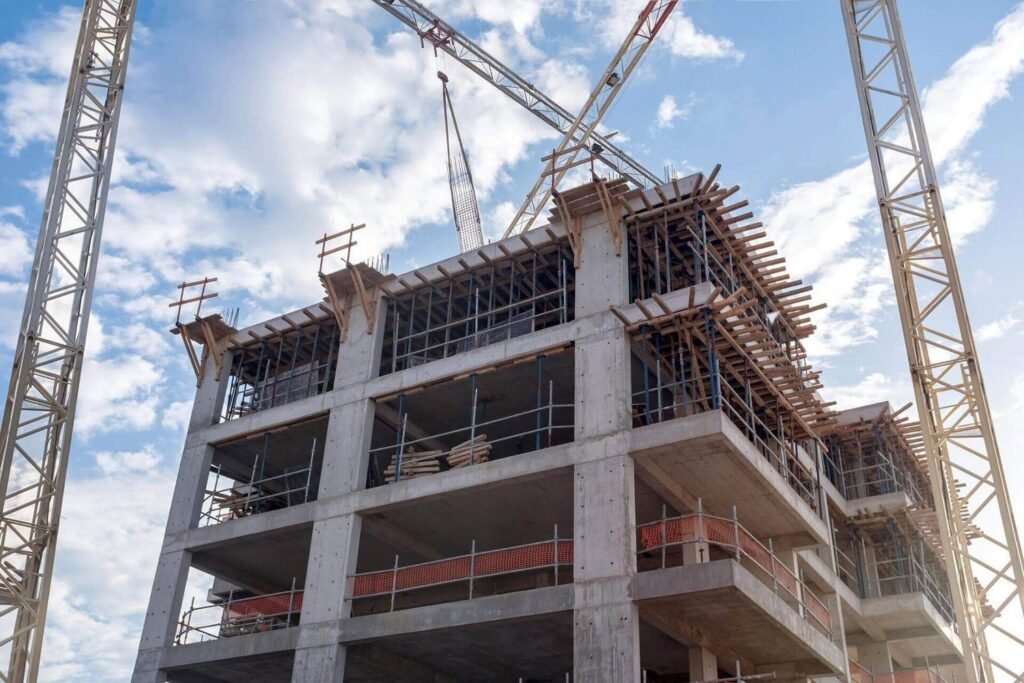
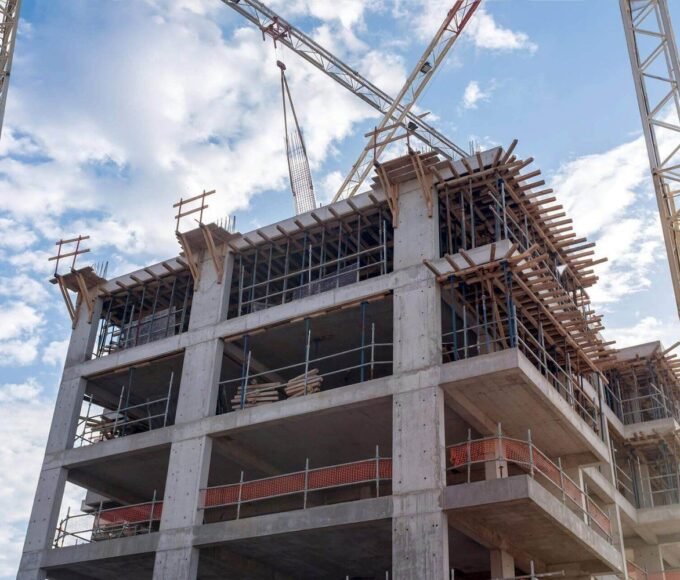
India’s construction and real estate sector is expected to witness a moderate rise in project costs in 2026, with estimates indicating an increase of around 3 to 5 per cent. The upward trend is primarily driven by rising labour costs and evolving regulatory frameworks, even as some material prices show signs of stabilisation.
According to JLL’s Construction Cost Guide India 2026, labour costs are emerging as the most consistent pressure point across asset classes. The implementation of the new labour code in late 2025 has introduced enhanced wage structures, improved social security benefits and healthcare provisions. While these measures strengthen workforce welfare, they have also led to an increase in labour costs by approximately 5 to 12 per cent.
Material costs, on the other hand, have shown mixed trends. Key inputs such as cement, steel and diesel recorded marginal declines in 2025, offering limited cost relief to developers. However, metals like aluminium and copper witnessed notable price increases due to global demand pressures and supply chain constraints. This divergence has created a complex cost environment for project planning and execution.
Despite some relief through tax measures, including potential reductions under GST reforms, the overall cost structure remains under pressure. The combined impact of rising labour expenses and fluctuating input costs is expected to influence project feasibility, timelines and pricing strategies across the real estate sector.
Industry experts also point out that infrastructure demand and a shortage of skilled labour continue to push costs upward. At the same time, developers are increasingly turning to digital construction technologies and efficient project management practices to mitigate cost escalations and maintain profitability.
Across major Indian cities, cost variations continue to shape investment decisions, with relatively competitive construction rates in cities like Chennai, Bengaluru and Hyderabad compared to higher-cost markets such as Mumbai. This trend is gradually influencing capital allocation and driving expansion into emerging Tier II cities.
As the sector adapts to regulatory changes and global economic conditions, the focus is shifting toward long-term value creation and operational efficiency. While cost pressures remain a concern in the short term, the industry is expected to remain resilient, supported by strong demand fundamentals and ongoing infrastructure development.
- building cost inflation india
- building material price india
- building materials price trends india
- construction cost escalation india
- construction cost forecast india
- construction cost india 2026
- construction economics india
- construction industry challenges india
- construction sector india growth
- cost management construction india
- digital construction India
- india construction industry trends
- india housing construction cost
- indian infrastructure development cost
- indian real estate market trends
- infrastructure cost india
- JLL construction cost guide
- labour code impact construction
- labour cost increase construction india
- property development cost india
- real estate cost increase india
- real estate project cost india
- real estate sector india news
- steel cement price india
- tier 2 cities real estate india


Related Articles

Dalmia Cement to Acquire Stake in Wind Power Project in Tamil Nadu
Dalmia Cement plans to acquire a 26% stake in Ventora Energy to...
Hyderabad Plans ₹941 Crore Double-Decker Corridor to Ease NH-65 Traffic
Telangana government plans a ₹941 crore double-decker elevated corridor from LB Nagar...
Railways Tightens Contractor Norms to Improve Project Execution and Accountability
The Ministry of Railways has revised contractor eligibility norms, raising experience thresholds...


Construction Costs Set to Rise 3–5% in 2026 Amid Labour and Input Cost Pressures
Construction costs in India are expected to increase by 3–5% in 2026,...

Leave a comment