



Chennai Metro Plans 73.4 Lakh Sq Ft Commercial Development Across Phase II Corridors
 Samrita JosephMarch 4, 20261 Mins read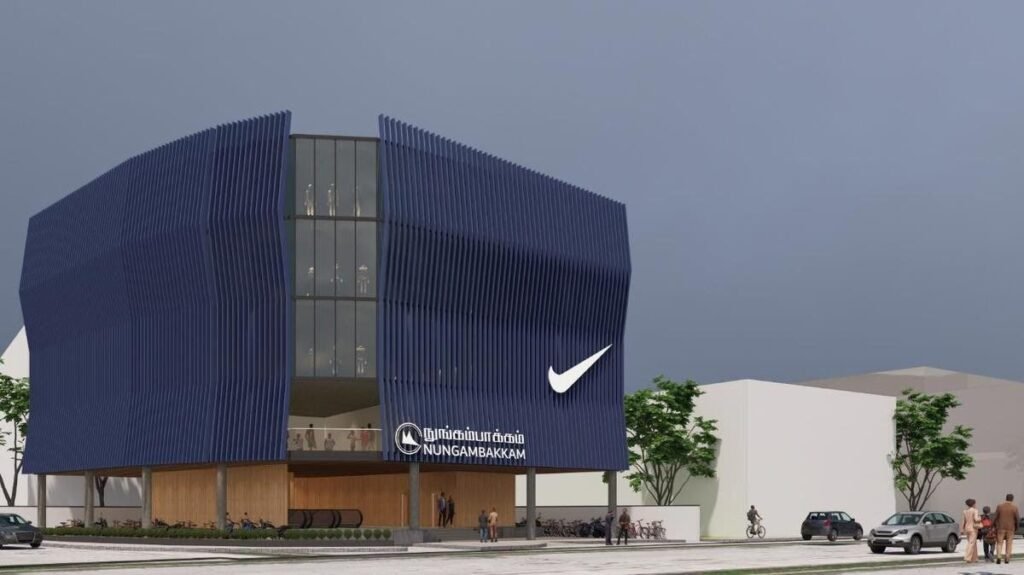
Chennai Metro Rail Limited is preparing a large scale property development plan along its Phase II corridors, signalling a new chapter in how urban transit projects shape city growth. The agency plans to develop 73.4 lakh square feet of commercial space across 37 locations spread along the upcoming metro network.
Officials say the initiative is designed to strengthen non fare revenue streams while creating vibrant commercial clusters around transit nodes. Retail arcades office spaces and mixed use developments are expected to emerge near several stations improving footfall and turning metro corridors into active urban destinations across the expanding city network.
The proposed developments are planned in prominent areas such as Boat Club Kutchery Road Sholinganallur Mandaveli Vadapalani and Alandur. Several structures will be integrated directly with station entry points while others will rise within short walking distance creating transit oriented commercial ecosystems across key metro corridors of the city today.
One example is a planned four storey building near Kapaleeshwarar Temple on Kutchery Road designed to connect seamlessly with the underground metro station. Similar developments are proposed near Boat Club where commercial buildings will add modern office and retail spaces supporting local economic activity and daily commuter movement nearby areas.
Phase II of the Chennai Metro project itself represents one of the largest urban mobility expansions in the country. By combining transit infrastructure with property development the agency hopes to create sustainable revenue models that support long term operations and system maintenance while strengthening city level economic activity around stations.
Urban mobility experts note that non fare revenue has become critical for metro networks worldwide because fare income alone rarely covers operational costs. Transit oriented development when planned with good pedestrian access can also increase ridership and reduce dependence on private vehicles while supporting compact urban growth across growing cities.
As construction of Phase II corridors progresses these commercial projects are expected to reshape neighbourhoods around stations and create new business districts. For Chennai the metro is gradually evolving from a transport system into a catalyst for integrated urban development supporting jobs investment mobility efficiency and long term city transformation.
- Chennai city development projects
- Chennai infrastructure investment
- Chennai infrastructure news
- Chennai metro business hubs
- Chennai Metro corridors
- Chennai metro expansion news
- Chennai metro non fare revenue
- Chennai Metro Phase 2
- Chennai metro property development
- Chennai metro real estate impact
- Chennai metro stations development
- Chennai mobility projects
- Chennai property development near metro
- Chennai real estate development
- Chennai Transport Infrastructure
- Chennai urban development
- CMRL commercial development
- CMRL Phase 2 projects
- metro corridor commercial hubs
- metro led urban growth India
- metro station commercial spaces India
- metro transit oriented growth
- Tamil Nadu Infrastructure Projects
- transit oriented development Chennai
- urban infrastructure Chennai



Related Articles
Dynamatic Technologies Partners Hutchinson to Tap India’s Expanding Aerospace Market
Dynamatic Technologies has partnered with Hutchinson to strengthen aerospace manufacturing capabilities in...
Industrial Growth Slows to 4.8 Percent in January as Manufacturing Loses Steam
India’s industrial output growth moderated to 4.8 percent in January 2026, reflecting...
Tata Steel to Invest Rs 11000 Crore in Jharkhand for Advanced Green Steel and Hydrogen Mobility
Tata Steel has announced a major investment of Rs 11000 crore in...


Japan and South Korea Raise Concerns Over Steel Shipment Delays in India
Japan and South Korea have flagged regulatory delays impacting steel exports to...

Leave a comment