



Bengaluru Metro Sees Strong Revenue Growth, But Financial Pressures Continue
 Samrita JosephDecember 22, 20252 Mins read
Bengaluru’s expanding metro network is showing clear signs of operational strength, with revenues climbing sharply on the back of rising ridership and fare revisions. During the 2024–25 financial year, the city’s mass rapid transit system recorded a significant jump in operating income, reflecting its growing importance in easing urban mobility challenges and reducing dependence on private vehicles.
According to official data, operating revenue increased by about 26 percent year on year to around ₹814 crore. This growth was largely driven by a steady rise in daily passenger numbers as more commuters turned to the metro for faster and more reliable travel across the city. The extension of existing corridors, improved last mile connectivity, and higher service frequency have all contributed to making the metro a preferred mode of transport for office goers, students, and airport-bound passengers.
Fare rationalisation also played a role in boosting collections. While the revised fares helped strengthen cash inflows, authorities maintained that pricing was kept within reasonable limits to ensure affordability and sustain long-term ridership growth. Non fare revenue streams such as advertising, station retail spaces, and property development around metro corridors have also shown gradual improvement, though they remain a smaller share of overall earnings.
Despite these operational gains, the metro system continues to face financial headwinds. Bangalore Metro Rail Corporation reported a net loss of roughly ₹609 crore for the year. The losses were primarily attributed to high interest payments on borrowings, depreciation costs linked to large scale infrastructure investments, and ongoing operational expenses associated with network expansion and maintenance.
Industry observers note that such losses are not uncommon for urban metro systems in their growth phase. Capital intensive transport projects typically require sustained public investment in the early years, with profitability emerging only over the long term as networks mature and ridership stabilises at higher levels.
Urban planners and transport experts believe that Bengaluru Metro’s long term outlook remains positive. As additional lines become operational and seamless integration with buses, suburban rail, and other mobility options improves, passenger volumes are expected to rise further. This could help narrow losses and strengthen the system’s financial sustainability over time.
For Bengaluru, the metro is more than just a transport project. It is a critical urban infrastructure asset shaping how the city grows, commutes, and reduces congestion and emissions. The latest revenue figures underline its progress, even as they highlight the financial discipline and policy support needed to ensure its long term success.
- Bangalore Metro Rail Corporation
- Bengaluru commuting
- Bengaluru development
- Bengaluru Infrastructure
- Bengaluru Metro
- Bengaluru Metro losses
- Bengaluru mobility
- Bengaluru traffic solution
- BMRCL revenue
- city metro systems
- Indian Metro Projects
- mass rapid transit India
- metro fare revision
- metro non fare revenue
- Metro Rail Expansion
- metro rail financials
- Metro ridership growth
- public transport Bengaluru
- public transport finance
- rail based transit India
- Sustainable transport India
- transport infrastructure news
- urban infrastructure projects
- urban mobility trends
- Urban Transport India

Related Articles
Industrial Growth Slows to 4.8 Percent in January as Manufacturing Loses Steam
India’s industrial output growth moderated to 4.8 percent in January 2026, reflecting...
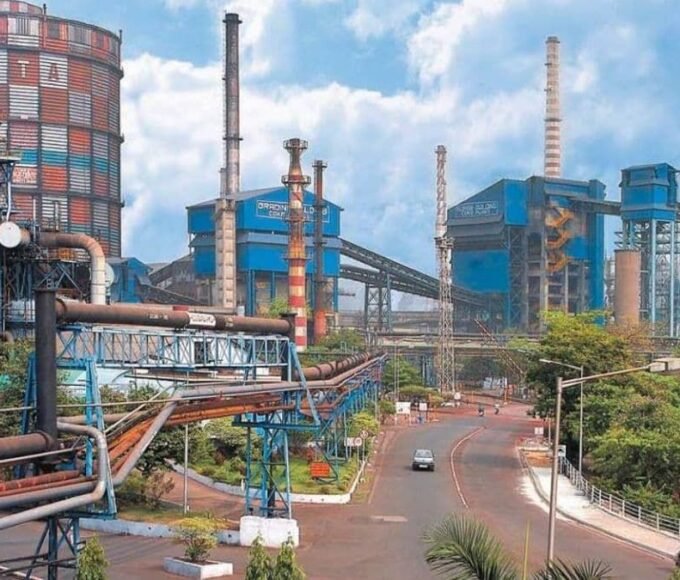
Tata Steel to Invest Rs 11000 Crore in Jharkhand for Advanced Green Steel and Hydrogen Mobility
Tata Steel has announced a major investment of Rs 11000 crore in...
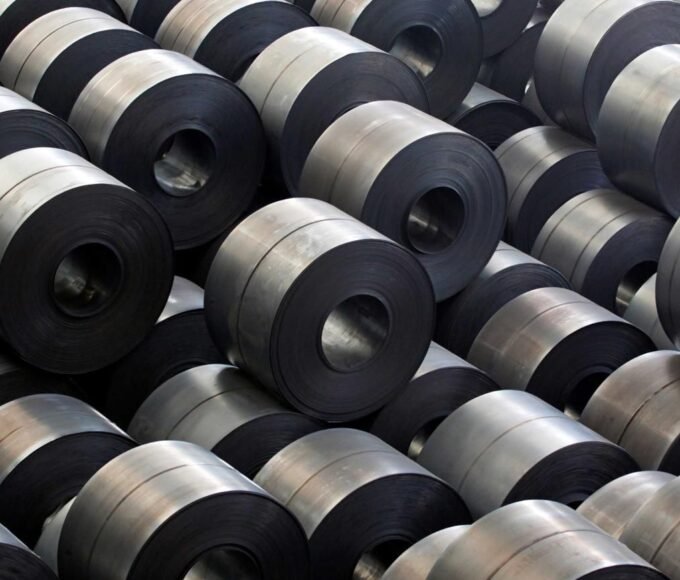
Japan and South Korea Raise Concerns Over Steel Shipment Delays in India
Japan and South Korea have flagged regulatory delays impacting steel exports to...
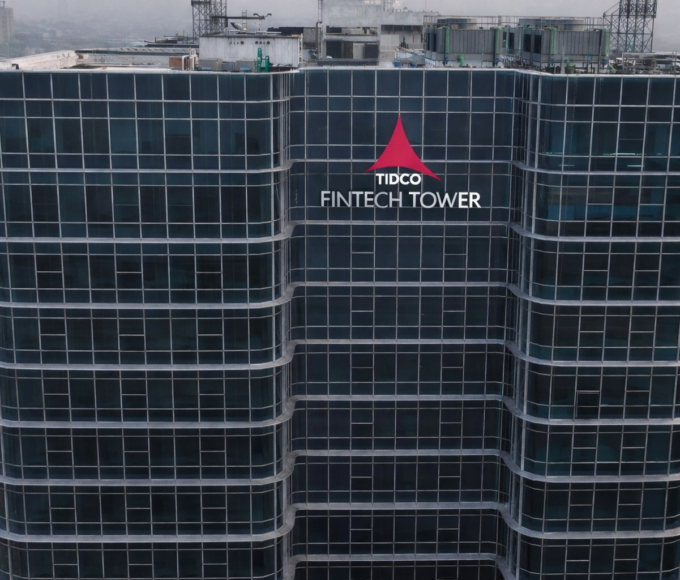


MK Stalin Inaugurates Rs 249 Crore FinTech Tower in Chennai, Boosting Tamil Nadu’s Digital Economy
Chief Minister M.K. Stalin inaugurates the Rs 249 crore FinTech Tower in...

Leave a comment