




Japan and South Korea Raise Concerns Over Steel Shipment Delays in India
 Samrita JosephMarch 3, 20261 Mins read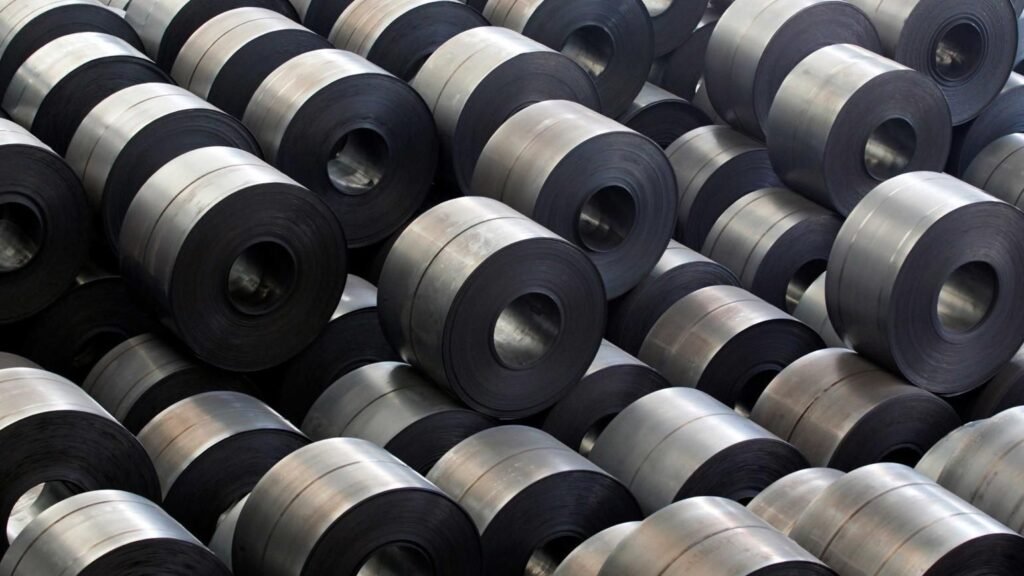
Japan and South Korea have raised concerns over delays in steel shipments to India, pointing to regulatory hurdles such as quality control orders and safeguard duties that they say are affecting trade flows. The issue was highlighted during a recent industry interaction with diplomatic representatives, where both countries noted that certain consignments were facing extended clearance timelines.
Representatives from South Korea stated that while companies from their country generally operate smoothly in India, regulatory bottlenecks occasionally disrupt shipments. Japanese officials echoed similar sentiments, particularly regarding compliance requirements linked to intermediate steel products.
Responding to these concerns, Indian government officials clarified that there is no country specific bias in the regulatory framework. According to senior officials, consignments that lack adequate documentation or traceability are subjected to additional scrutiny. They emphasized that quality control measures are designed to protect domestic standards and ensure product reliability in the Indian market.
The development comes at a time when India is expanding its domestic steel capacity in line with long term infrastructure and manufacturing goals. The country currently has an installed steel production capacity of 218 million tonnes per annum, with plans to scale up to 300 million tonnes by 2031. Public sector undertakings in the steel sector are also expected to significantly increase capital expenditure in the coming fiscal, supporting capacity expansion and modernization.
Industry observers note that balancing quality assurance with seamless trade will be crucial as India positions itself as a global manufacturing hub. As discussions continue, stakeholders are expected to work toward greater regulatory clarity and smoother cross border trade mechanisms.
- 300 MTPA steel target
- Bharat Steel session
- global steel trade
- India Japan trade relations
- India South Korea trade relations
- India Steel Imports
- India trade regulations
- Indian Infrastructure Growth
- Indian Steel Industry
- intermediate steel products
- Japan steel exports
- Make in India steel
- NMDC investment
- Quality Control Orders India
- safeguard duty India
- SAIL capex plans
- South Korea steel trade
- Steel Capacity Expansion
- steel documentation norms
- Steel Export Challenges
- steel manufacturing India
- steel psu capex
- steel regulatory issues
- steel shipment delays
- steel trade policy India


Related Articles

Zydex Paints Enters India’s Retail Market with Three New Products, Targets 1% Share in Three Years
Zydex Paints has entered India’s consumer retail paints market with NIVO, DRIO...
Andhra Pradesh Plans ₹1,700 Crore Waterway Corridor Linking Muktyala with Machilipatnam Port
Andhra Pradesh has invited tenders for a 168-km navigation corridor linking Muktyala...
Awfis Space Solutions Revenue Rises 27% to ₹425 Crore in Q1 FY27
Awfis Space Solutions reported 27% revenue growth to ₹425 crore in the...


India Cements Q2 FY27 EBITDA Rises 34.3% to ₹148 Crore as Sales Volume Grows
India Cements, a subsidiary of UltraTech Cement under the Aditya Birla Group,...

Leave a comment