




India’s Green Steel Transition to Be Gradual Amid Cost and Technology Challenges: ICRA
 Samrita JosephJanuary 23, 20261 Mins read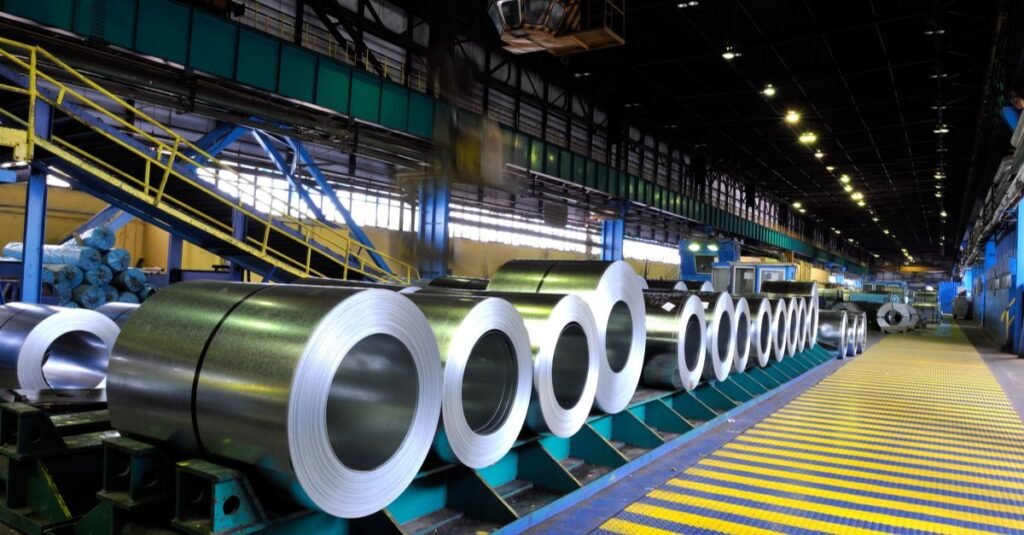
India’s ambition to move towards low carbon green steel production will unfold gradually over the coming decade, constrained by high costs and technology readiness, credit rating agency ICRA has said. Despite growing policy intent and corporate interest, the domestic steel sector continues to face structural challenges that make rapid decarbonisation difficult in the near term.
ICRA noted that Indian steelmakers currently operate with an average carbon emission intensity of around 2.5 tonnes of carbon dioxide per tonne of steel for scopes one and two. This is nearly 12 per cent higher than the global average for the blast furnace basic oxygen furnace route, which remains the dominant production method in the country. The heavy dependence on coal based processes continues to weigh on emission reduction efforts.
The government’s introduction of a Green Steel Taxonomy in December 2024 under the National Mission on Green Steel has been a significant step forward. The framework sets graded emission thresholds to classify steel as green. However, ICRA pointed out that most Indian primary steel producers currently exceed even the highest emission threshold, highlighting the wide decarbonisation gap that needs to be bridged.
Coal based steel production is expected to strengthen further over the medium term. ICRA estimates that planned capacity additions of about 80 to 85 million tonnes by 2030 to 31 will be largely skewed towards the blast furnace route. As a result, the share of this method is projected to rise from 45 per cent at present to about 51 per cent by the end of the decade.
In the near term, emission reduction will largely depend on operational efficiency improvements and higher adoption of renewable energy. Around nine gigawatts of renewable power capacity has already been announced by Indian steelmakers, which could lower emissions meaningfully. Additional gains may come from increased scrap usage and energy efficiency initiatives, though limited scrap availability remains a constraint.
High green hydrogen costs continue to challenge the viability of hydrogen based direct reduced iron production. ICRA expects meaningful green steel capacity additions in India mainly after 2030, driven by ESG compliance, supportive policies and improving economics.
- BF BOF steel
- carbon emission intensity steel
- clean energy steel sector
- climate action steel India
- coal based steel India
- DRI steel India
- energy transition steel
- ESG steel India
- future of steel India
- green hydrogen steel
- green manufacturing India
- green steel India
- green steel taxonomy
- ICRA steel report
- Indian steel capacity expansion
- Indian steel decarbonisation
- industrial decarbonisation India
- infrastructure steel demand
- low carbon steel India
- National Mission on Green Steel
- net zero steel India
- renewable energy steel plants
- steel industry emissions
- steel market outlook India
- sustainable steel production



Related Articles

Kerala Plans Land Banks, Faster Approvals to Attract ₹20,000 Crore Investment
Kerala is planning land banks, faster single-window approvals and Special Investment Zones...
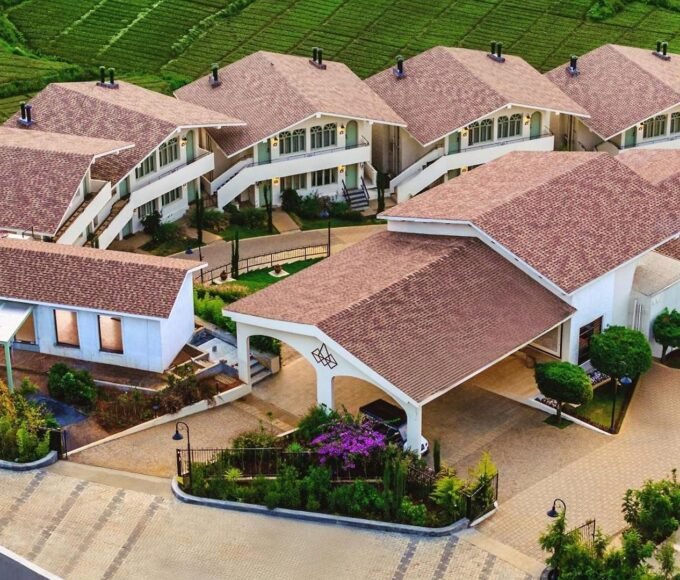
Mango Hill Hotels Plans Expansion Across India With New Properties
Mango Hill Hotels plans to expand into Tiruvannamalai, Pune, Sriperumbudur and Trichy,...
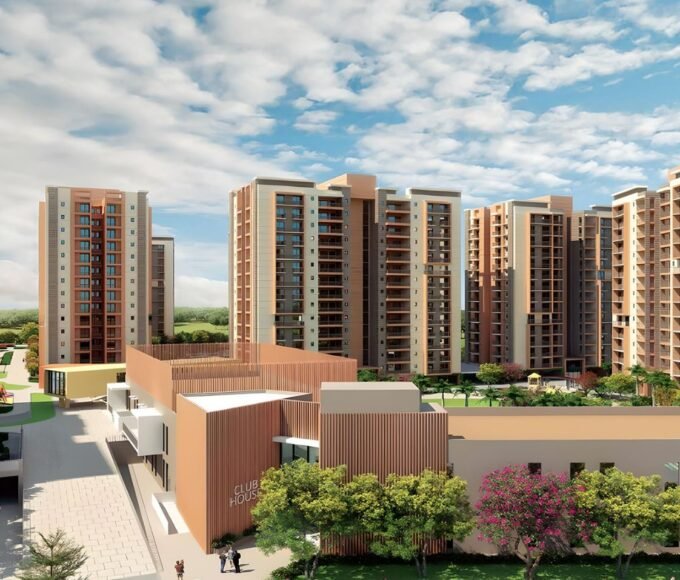
Ashiana Housing to Invest ₹1,000 Crore in Land Acquisition for Housing Projects
Ashiana Housing plans to invest around ₹1,000 crore in land acquisition during...
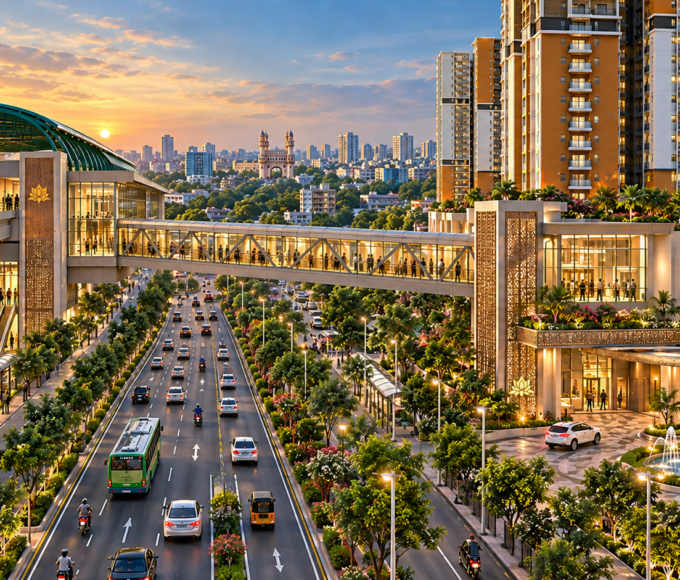


Vaasavi Group Plans Direct Metro-to-Township Skywalk in Hyderabad
Vaasavi Group plans an elevated skywalk connecting Hyderabad Metro’s LB Nagar station...

Leave a comment