




Steel Industry Pushes for Permanent Anti-Dumping Duty to Counter Import Pressure
 Samrita JosephDecember 30, 20251 Mins read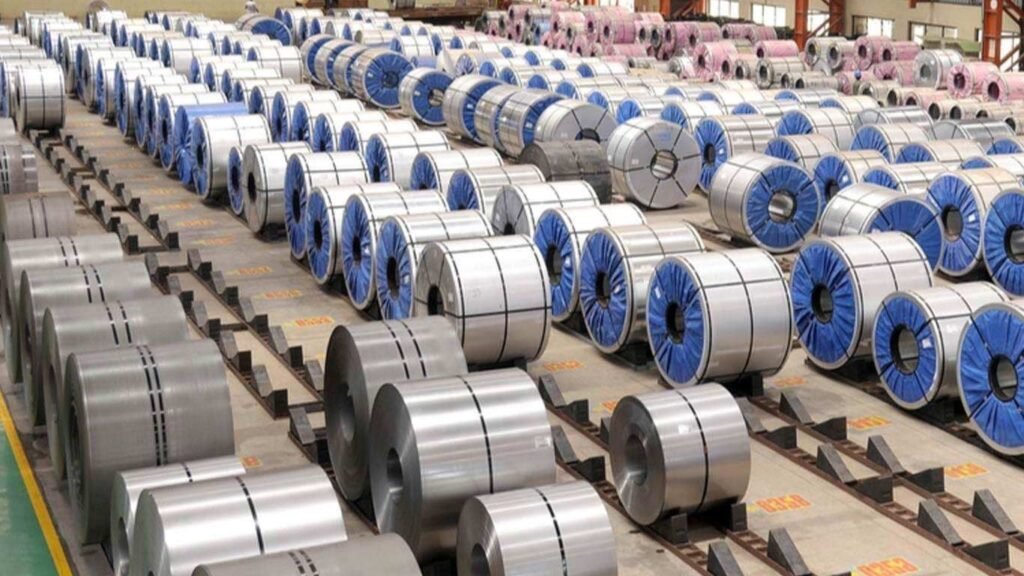
India’s steel industry is stepping up calls for a permanent anti-dumping duty regime, warning that temporary safeguard measures are insufficient to protect domestic manufacturers from a surge in low-priced imports amid global geopolitical and trade disruptions.
In April, the government imposed a 12 per cent safeguard duty on select non-alloy and alloy steel flat products for a period of 200 days. The measure expired in November, even as concerns over dumping from major steel-exporting nations continued. Subsequently, the Directorate General of Trade Remedies recommended extending the safeguard duty at 12 per cent with a gradual taper to 11 per cent over three years. However, the proposal is yet to be notified by the government.
Industry data indicates that despite safeguard measures, India remains a net importer of steel. Between April and November, steel imports declined 13 per cent year-on-year to 6.54 million tonnes, while exports rose 31 per cent to 5.77 million tonnes. With global steel prices remaining weak, industry executives fear the lapse of safeguard duty could reopen floodgates for imports, particularly from China, Japan, South Korea and Vietnam.
While India is the world’s second-largest crude steel producer, domestic manufacturers continue to face pricing pressure from cheaper overseas supplies. The government has recently imposed a five-year anti-dumping duty on certain steel products imported from China, including cold-rolled non-oriented electrical steel, attracting a tariff of $223.82 per tonne. Industry players view this move as a step in the right direction but stress the need for broader and longer-term protection.
According to analysts at SMC Global Securities, domestic steel demand is expected to grow 8–9 per cent in FY26, driven by infrastructure spending, construction activity, automobiles and capital goods. However, rapid capacity additions have created near-term surplus conditions, weighing on realisations and margins.
Similarly, analysts at Choice Institutional Equities note that while global steel demand remains entangled in US tariffs and country-specific trade actions, India’s demand outlook is relatively stronger, with high single-digit growth expected through FY27. Imports, especially low-priced material, continue to pose a downside risk if global prices stay subdued.
Industry stakeholders argue that a calibrated mix of anti-dumping duties and higher basic customs duties would significantly curb imports, stabilise prices and provide much-needed margin support, ensuring sustainable growth for India’s steel sector in the years ahead.
- anti-dumping duty steel
- automotive steel demand
- basic customs duty steel
- Build Watch News
- capital goods steel
- construction sector steel
- Crude Steel Production India
- DGTR steel duty
- domestic steel manufacturers
- global steel demand
- Indian Steel Market
- Indian steel sector outlook
- infrastructure steel demand
- safeguard duty steel imports
- steel demand FY26
- steel dumping China
- steel exports India
- steel import regulations
- Steel Imports India
- Steel Industry India
- steel industry news India
- steel margins pressure
- steel market 2026
- Steel Prices India
- steel trade policy





Related Articles
Puravankara Subsidiary Launches Phase 6 of Provident Equinox in Bengaluru
Puravankara subsidiary Provident Housing has launched Phase 6 of Provident Equinox in...

Ganpati Group Announces ₹2,000 Crore Real Estate and Hotel Expansion
Agra-based Ganpati Group plans around ₹2,000 crore across residential and hotel projects,...
Andhra Pradesh Expands House Site Patta Drive, Moves to Unlock Property Rights for 75 Lakh Families
Andhra Pradesh is expanding its house site patta programme, with pre-2016 allotments...



DAC Developers launches BALMANDAISA on Porur–Poonamallee Main Road in Chennai
DAC Developers has launched BALMANDAISA, a new residential project on the Porur–Poonamallee...

Leave a comment