



Steel Policy Contradictions Could Raise Costs and Slow Growth: GTRI
 Samrita JosephDecember 27, 20251 Mins read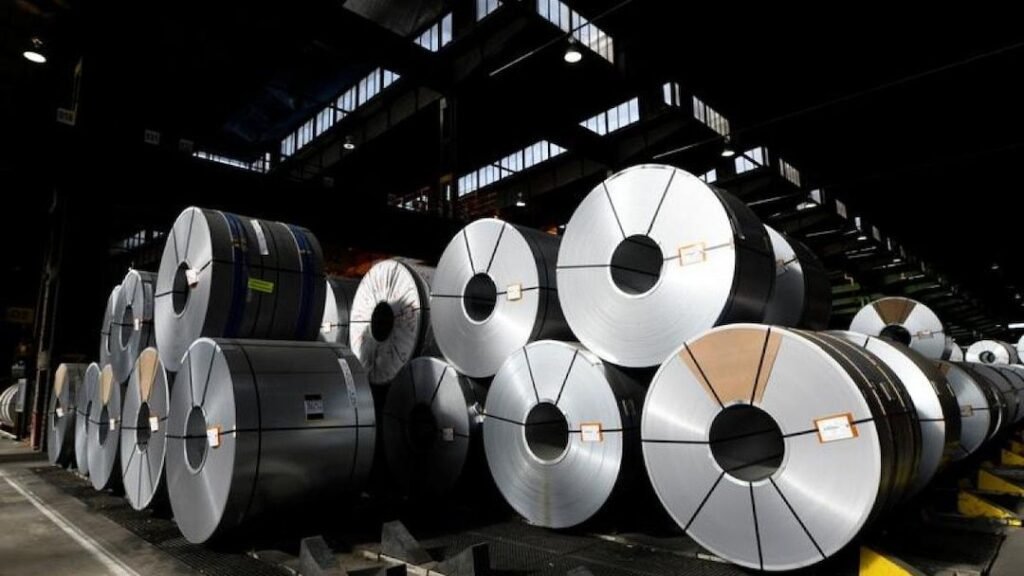
India’s steel sector could face mounting cost pressures and slower growth due to conflicting policy signals, according to an assessment by the Global Trade Research Initiative (GTRI). The report highlights that while the government has stepped up protection for domestic steelmakers, parallel restrictions on critical raw materials are undermining the intended benefits.
Over the past few years, the government has relied on safeguard duties, anti dumping measures and quality control orders to shield domestic steel producers from import competition. These steps were aimed at ensuring capacity utilisation and supporting local manufacturing. However, GTRI said these gains are being offset by curbs on essential inputs, especially low ash metallurgical (LAM) coke, which plays a vital role in steel production and has limited substitutes.
Restrictions on LAM coke imports through quotas and duties have pushed up input costs, squeezing margins for steelmakers. This policy contradiction, GTRI noted, effectively acts as a tax on growth. Higher steel prices cascade through the economy, raising costs for infrastructure projects, construction activity, capital goods manufacturing and other downstream industries that depend heavily on steel.
The think tank warned that while protecting domestic metallurgical coke producers is a valid objective, excessive layering of controls on non substitutable input risks over correction. Such an approach could weaken the competitiveness of Indian steel in global and domestic markets, ultimately harming the very producers the policy seeks to protect.
GTRI also flagged the expiry of quantitative restrictions at the end of 2025 as a crucial opportunity for policy reset. It recommended restoring predictable and adequate access to LAM coke by lifting or sharply expanding import quotas. The report further called for avoiding overlapping regulatory measures and recalibrating duties using realistic dry bulk freight assumptions to better reflect actual costs.
According to GTRI, aligning regulations on both outputs and inputs is essential for a stable and competitive steel ecosystem. Policies, it said, should complement each other rather than work at cross purposes. A coherent regulatory framework would help moderate costs, support investment decisions and enable the steel sector to continue playing a central role in India’s infrastructure push and long term economic growth.
- anti dumping steel India
- BusinessLine steel news
- construction sector steel
- downstream industries steel
- economic growth steel
- GTRI steel report
- India steel reforms
- Indian Steel Industry
- infrastructure steel demand
- investment slowdown steel
- LAM coke imports
- met coke shortage India
- metallurgical coke policy
- quality control orders steel
- raw material curbs steel
- Safeguard Duty Steel
- steel competitiveness India
- steel input costs
- steel manufacturing India
- steel policy India
- Steel Prices India
- steel regulation framework
- steel sector growth India
- trade policy steel




Related Articles
Saint-Gobain to Invest €1 Billion in India Over Next Five Years, Strengthening Manufacturing and Sustainable Construction
Global building materials major Saint-Gobain will invest €1 billion in India over...
Kerala Plans Land Law Reforms and State Land Bank to Accelerate Industrial Growth
Kerala has proposed major land law reforms, including the creation of a...
YKK India to Invest $150 Million in New Manufacturing Facility Near Chennai
YKK India will invest $150 million in a new manufacturing facility at...


AM/NS India Launches Zagnelis Protect Steel, Making India First Market Outside Europe to Produce It
ArcelorMittal Nippon Steel India has launched Zagnelis Protect, a patented zinc-aluminium-magnesium coated...

Leave a comment