




India’s Stainless Steel Sector Needs a Standalone Policy, Says Jindal Stainless MD
 Samrita JosephNovember 29, 20251 Mins read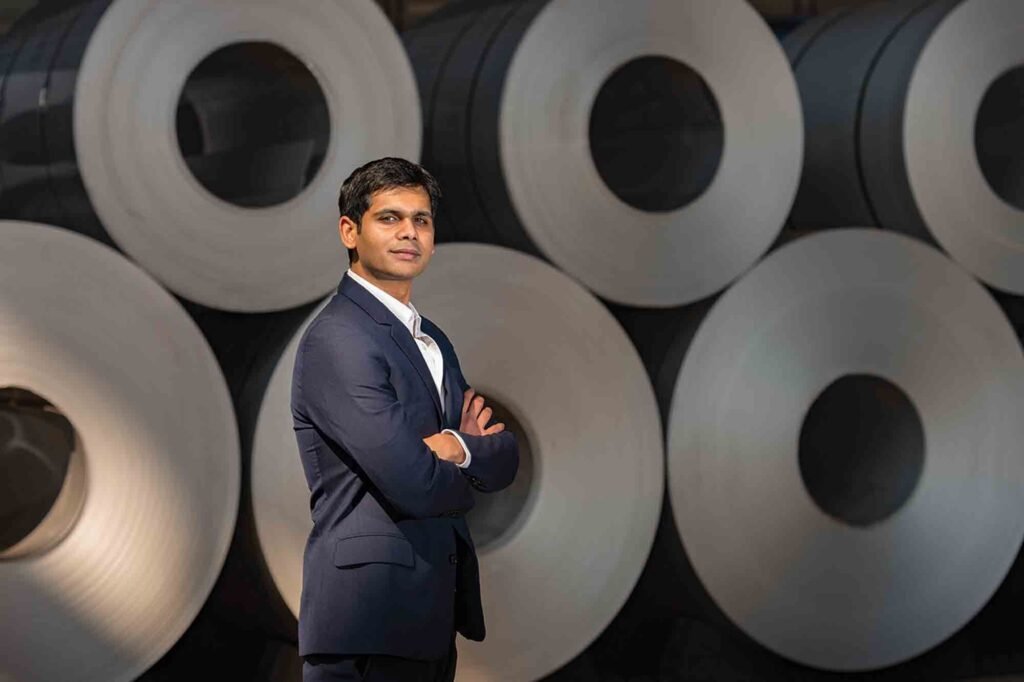
India’s stainless steel industry is calling for a standalone national policy that fully recognises its specialised requirements and growing significance. The current plan to include the sector as a chapter within the revised National Steel Policy is seen as inadequate by industry leaders who believe the challenges facing stainless steel need deeper attention.
In an interview, Abhyuday Jindal, Managing Director of Jindal Stainless, said the sector operates very differently from carbon steel and therefore requires a separate policy structure. He explained that stainless steel manufacturing depends heavily on critical minerals such as nickel and chrome. India does not have domestic nickel deposits, making long term raw material security a major concern for producers. Jindal said nickel should be treated with the same level of importance as rare earth minerals, encouraging strategic sourcing and global partnerships.
Although chrome is available in the country, he emphasised the need for greater mining approvals, exploration support and reduced royalty burdens to improve supply stability and attract new investment. The sector is also dealing with low capacity utilisation and high production costs, which continue to affect competitiveness. Despite India consuming around 4.8 million tonnes of stainless steel in FY25, a significant portion is met through imports. Nearly one third of the nation’s stainless steel supply comes from China, highlighting the need for policies that strengthen domestic production and reduce dependence on external markets.
Jindal further stressed the importance of including corrosion mitigation measures in national planning. India loses close to 3 to 4 percent of its GDP every year due to corrosion related damage, estimated at around ten trillion rupees. A focused framework could help reduce these losses through better material adoption, greater awareness and improved skill development in stainless steel fabrication.
Industry experts such as Rajib Maitra of Deloitte South Asia agree that stainless steel requires a dedicated policy because of its specialised composition, complex refining processes and its growing use in high value sectors including food processing, medical equipment, petrochemicals and clean mobility. With the government preparing the updated National Steel Policy, the industry hopes these recommendations will shape a more resilient and future ready stainless steel ecosystem.
- Abhyuday Jindal
- China stainless steel supply
- chrome mining India
- clean mobility materials
- corrosion mitigation India
- food processing steel
- India GDP loss corrosion
- Indian Manufacturing
- Indian steel ecosystem
- ISSDA data
- Jindal Stainless
- medical equipment steel
- metal industry India
- metal sector challenges
- National Steel Policy
- nickel shortage India
- petrochemical industry steel
- raw material security India
- stainless steel applications
- stainless steel demand
- stainless steel imports
- stainless steel industry
- stainless steel policy India
- steel capacity utilisation
- Steel Sector Reforms




Related Articles
Economic Survey Flags Global Price Pressures, Raw Material Risks for India’s Steel Sector
India’s steel sector continues to show strong growth momentum driven by domestic...

Telangana Clears Path for Mamnoor Airport Revival with Land Handover
Telangana has formally handed over 300 acres of land for the revival...
Telangana Clears Path for Mamnoor Airport Revival with Land Handover
Telangana has formally handed over 300 acres of land for the revival...
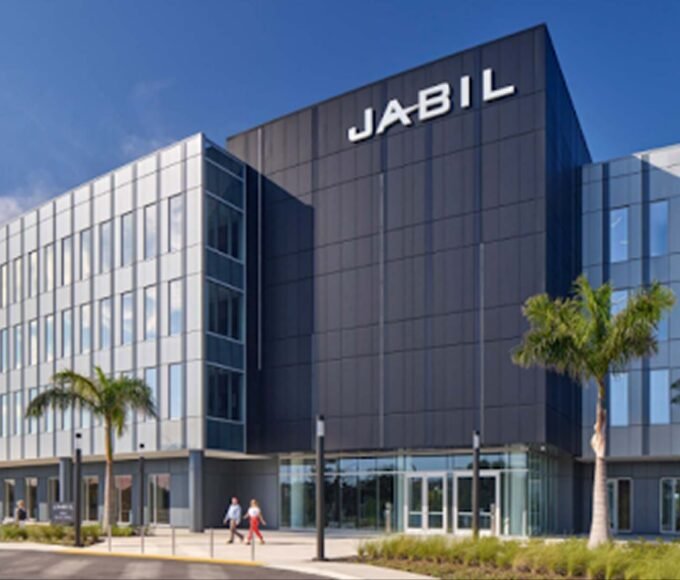


Jabil to Set Up Rs 2,000 Crore Electronics Manufacturing Unit in SIPCOT Park, Tiruchi
US-based electronics major Jabil plans a Rs 2,000 crore manufacturing facility on...

Leave a comment