





Adani Group emerges lowest bidder for Bengaluru tunnel road project
 Samrita JosephDecember 22, 20251 Mins read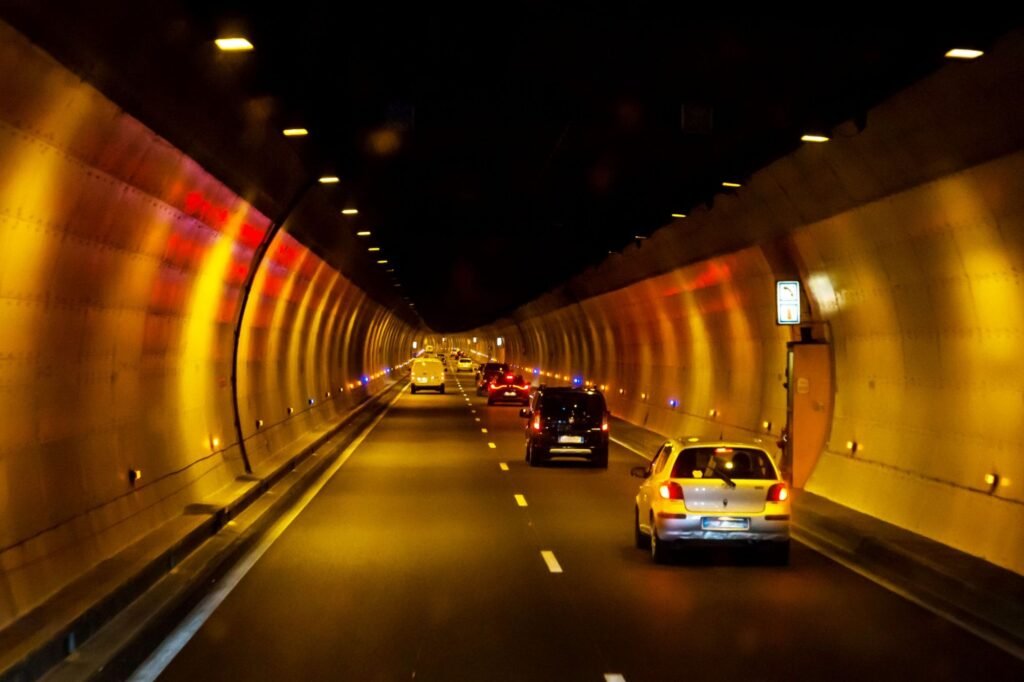
The Adani Group has emerged as the lowest bidder for both packages of Bengaluru’s much-debated tunnel road project, marking a key development in one of the city’s most ambitious urban infrastructure proposals. Financial bids opened by Bengaluru Smart Infrastructure Limited, the special purpose vehicle executing the project, revealed that the conglomerate topped the shortlist after a prolonged tender process.
The proposed tunnel road envisages a 16.75-kilometre underground corridor connecting Esteem Mall Junction at Hebbal in north Bengaluru to Central Silk Board Junction in the south. The project is planned under the build operate transfer model, with the Karnataka government contributing around 40 percent of the funding and the balance to be raised by the private concessionaire. The tunnel is intended to ease traffic congestion along the city’s heavily stressed north south corridors.
While the Adani Group emerged as the lowest bidder, its quoted project cost of about ₹22,267 crore is significantly higher than the government’s estimated cost of ₹17,698 crore. Officials said the variance, ranging between roughly 24 percent and 28 percent across the two packages, may necessitate placing the proposal before the Karnataka Cabinet for a final decision.
The bidding process initially attracted four major infrastructure players, including Rail Vikas Nigam Limited, Vishwa Samudra Engineering Limited, Dilip Buildcon Limited and the Adani Group. Following technical evaluation, only the Adani Group and Hyderabad-based Vishwa Samudra qualified for the financial bidding stage. Dilip Buildcon was disqualified due to eligibility conditions, while RVNL exited after its joint venture partner failed to meet technical criteria.
The project has been split into two packages of approximately 8.7 kilometres each. Each package will include twin tunnels with three lanes per tube, dedicated entry and exit ramps, and extensive use of tunnel boring machines. The construction period has been fixed at 50 months, and if approvals proceed as planned, the tunnel corridor could become operational by the end of 2029.
Despite its potential to transform urban mobility, the tunnel road has faced sustained opposition, with multiple public interest litigations pending before the Karnataka High Court and the National Green Tribunal. The Cabinet’s decision will now play a decisive role in determining the project’s future trajectory.
- Adani Group
- Adani infrastructure projects
- B-SMILE
- Bengaluru infrastructure project
- Bengaluru traffic congestion
- Bengaluru transport projects
- Bengaluru tunnel road
- Bengaluru urban planning
- build operate transfer model
- city infrastructure development
- civil construction projects
- construction sector India
- Indian infrastructure news
- infrastructure tenders
- karnataka cabinet decision
- Karnataka government projects
- Karnataka infrastructure
- large infrastructure bids
- major road projects
- PPP projects India
- road tunnel India
- tunnel road controversy
- tunnel road project Bengaluru
- underground road Bengaluru
- urban mobility Bengaluru






Related Articles
Hyderabad Plans World-First Tunnel Beneath Begumpet Airport Runway to Ease Traffic
Telangana unveils a first-of-its-kind underground tunnel beneath Begumpet Airport runway to reduce...

Brigade Group Unveils Belvedere in East Bengaluru With ₹1,100 Crore Revenue Potential
Brigade Group launches Brigade Belvedere on Budigere Main Road, East Bengaluru, a...

Hyatt to Develop ₹250 Crore Five-Star Hotel in Visakhapatnam, Boosting Tourism and Hospitality Growth
Hyatt’s new ₹250 crore five-star hotel in Visakhapatnam is set to enhance...


Govt Launches PRISM-SG Portal to Accelerate Bridge Approvals and Boost Infrastructure Delivery
The government has launched the PRISM-SG portal to digitise bridge approval processes,...

Leave a comment